Anticholinergic Effects of Antihistamines: Dry Mouth, Constipation, Urinary Issues

Antihistamine Side Effect Risk Calculator
This tool helps you assess your risk of common anticholinergic side effects from antihistamines based on clinical data from the article. Enter your details below to see personalized risk levels.
Most people reach for antihistamines when allergies hit - runny nose, itchy eyes, sneezing. But what they don’t realize is that many of these common medications are doing more than blocking histamine. They’re also quietly shutting down a key part of your nervous system. This is called the anticholinergic effect, and it’s behind the dry mouth, constipation, and trouble urinating that so many users report - especially those over 65.
Why Do Antihistamines Cause These Side Effects?
Not all antihistamines are the same. There are two main types: first-generation and second-generation. The first-generation ones - like diphenhydramine (Benadryl), chlorpheniramine, and promethazine - were developed in the 1940s. They were designed to block histamine, sure, but they also accidentally bind tightly to muscarinic receptors, which are part of your parasympathetic nervous system. That system controls things like saliva production, gut movement, and bladder emptying. When these drugs block acetylcholine from activating those receptors, your body doesn’t get the signal to do its normal job. Salivary glands stop making enough saliva → dry mouth. The muscles in your intestines slow down → constipation. Your bladder can’t contract properly → urinary retention. It’s not a coincidence - it’s pharmacology. Second-generation antihistamines like cetirizine (Zyrtec), loratadine (Claritin), and fexofenadine (Allegra) were made later to fix this. They’re engineered to stay out of your brain and avoid muscarinic receptors. That’s why they’re much less likely to cause these side effects. At standard doses, their anticholinergic activity is practically zero.How Bad Are These Side Effects Really?
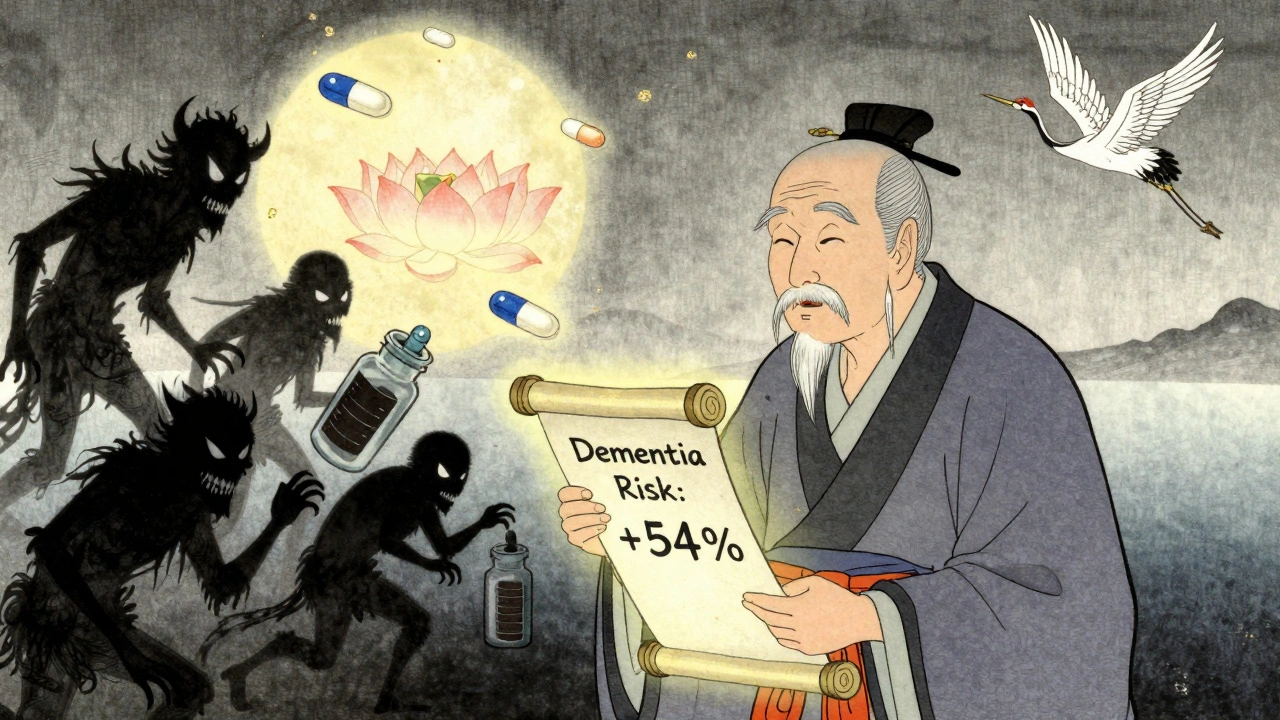
The numbers tell a clear story. In clinical studies, about 28% of people taking diphenhydramine report dry mouth. That’s nearly 3 in 10. With cetirizine? Only 4%. Constipation hits 15-20% of first-gen users, but under 5% with second-gen. For urinary issues, especially in older men with prostate problems, the risk jumps to 5-8% with diphenhydramine - and drops to under 1% with newer options. These aren’t just minor annoyances. Dry mouth increases your risk of cavities and gum disease. Constipation can lead to bowel obstructions if ignored. Urinary retention? That’s a medical emergency. One study found that 31% of men with moderate to severe prostate symptoms developed acute urinary retention within 48 hours of taking diphenhydramine. And it gets worse. Long-term use of first-generation antihistamines is linked to a 54% higher risk of dementia over seven years, according to a major study published in JAMA Internal Medicine. The more you take - and the longer you take it - the higher the risk. Diphenhydramine has the highest possible score (3.0) on the anticholinergic cognitive burden scale. That’s the same level as some antidepressants and bladder medications known to harm cognition.Who’s Most at Risk?
It’s not just older adults - though they’re the most vulnerable. People over 65 are more sensitive to anticholinergic drugs because their bodies clear them slower and their brains have fewer cholinergic neurons to begin with. But it’s not just age. If you have:- Enlarged prostate (BPH)
- Chronic constipation or IBS
- Glaucoma
- Heart rhythm problems
- Cognitive decline or dementia

What About the Ones You Can Buy Over the Counter?
First-generation antihistamines are still everywhere. You’ll find diphenhydramine in sleep aids, cold medicines, and allergy tablets. It’s cheap - a bottle of 24 tablets costs $4-6. That’s why people keep buying them. But they’re also the most likely to cause problems. Look at the label. If it says “PM,” “Nighttime,” or “for sleep,” it’s probably diphenhydramine or doxylamine. These aren’t sleep aids - they’re sedating anticholinergics. And they’re not safe for regular use. The American Academy of Neurology warns that even seven days in a row increases fall risk by 34% in older adults. Second-generation antihistamines cost more - $12-18 for the same number of doses - but they’re worth it. They don’t make you foggy. They don’t dry out your mouth. They don’t leave you stuck on the toilet. And they last 24 hours, so you only need one pill a day.What Should You Do Instead?
If you’re currently taking diphenhydramine for allergies or sleep, here’s what to do:- Switch to a second-generation option. Cetirizine, loratadine, or fexofenadine are all available over the counter and just as effective for allergies.
- Check all your meds. Look at your cold medicine, sleep aid, and even stomach remedies. Many contain hidden anticholinergics.
- Don’t use them for sleep. If you need help sleeping, try melatonin, good sleep hygiene, or talk to your doctor. Antihistamines aren’t safe long-term sleep aids.
- Use alternatives for dry mouth. Sugar-free gum with xylitol boosts saliva by 40-60% within minutes. Drink water. Avoid caffeine and alcohol - they make it worse.
- Prevent constipation. If you must take a first-gen antihistamine, take a daily dose of polyethylene glycol (17g). It cuts constipation risk from 18% to 5%.
- Speak up if you have trouble urinating. Don’t assume it’s just aging. Tell your doctor immediately if you feel like you can’t empty your bladder. It could be an emergency.
Iris Carmen
December 9, 2025 AT 20:11Noah Raines
December 10, 2025 AT 08:42Shubham Mathur
December 10, 2025 AT 13:03Chris Marel
December 11, 2025 AT 19:41Morgan Tait
December 13, 2025 AT 07:58Sabrina Thurn
December 13, 2025 AT 11:24Nikhil Pattni
December 13, 2025 AT 15:19Brianna Black
December 14, 2025 AT 20:54Courtney Black
December 16, 2025 AT 11:22Larry Lieberman
December 17, 2025 AT 06:40iswarya bala
December 18, 2025 AT 16:48Maria Elisha
December 19, 2025 AT 11:39Andrea Beilstein
December 19, 2025 AT 11:49Stacy Tolbert
December 19, 2025 AT 11:55precious amzy
December 21, 2025 AT 00:48