Athlete Anti-Doping Rules: Prescription Medications and Side Effects to Consider
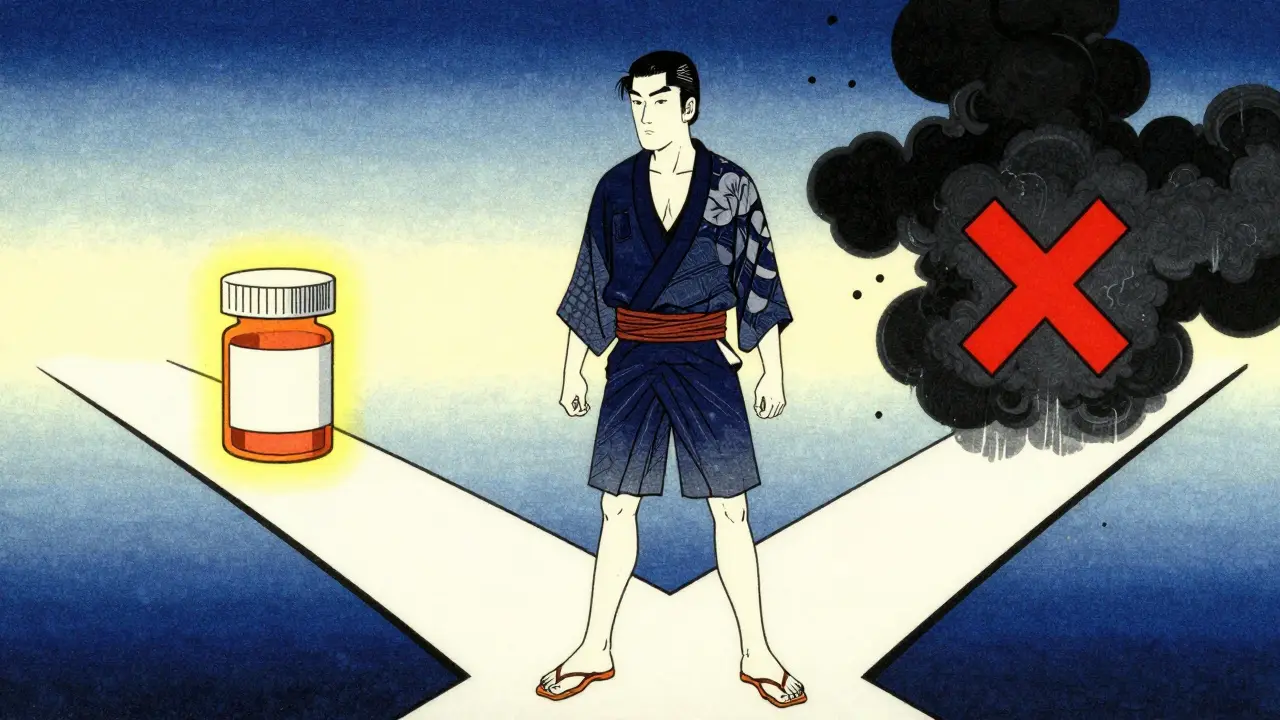
Prescription Medication Anti-Doping Checker
Select a medication category to see its anti-doping status and required actions under the World Anti-Doping Agency (WADA) code.
Asthma Inhalers (Salbutamol)
Inhaled beta-2 agonists are allowed but strictly limited. IV or oral forms are prohibited.
⚠️ Critical Limits
- • Max inhaled dose: 1,600 mcg per 24 hours
- • Must not exceed therapeutic dosage
- • Urine concentration limits apply
✅ Action Plan
You just got a new prescription for your asthma or ADHD. It’s a standard drug, prescribed by your doctor, and it makes you feel like yourself again. But if you are an athlete, that same pill could end your career before you even step onto the field. This isn’t a hypothetical nightmare scenario; it is a daily reality for thousands of competitors worldwide. The gap between medical necessity and competitive integrity is narrow, and falling into it can result in bans that last years.
The core issue isn’t necessarily cheating. Most doping violations involving prescription drugs happen because athletes don’t know their medication contains a banned substance. According to a 2023 study in the British Journal of Sports Medicine, 42% of athletes who tested positive claimed they were unaware their medication contained banned ingredients. That statistic changes everything. It means the burden of proof falls entirely on you, not your doctor, and not the pharmacy.
Understanding the Strict Liability Principle
To navigate this landscape, you first need to understand the legal foundation of anti-doping. The World Anti-Doping Agency (WADA) operates under a principle called "strict liability." This concept is simple but brutal: if a prohibited substance is found in your body, you are responsible, regardless of how it got there. It doesn’t matter if it was a mistake, a contaminated supplement, or a well-meaning doctor’s error. Article 2.2 of the World Anti-Doping Code makes this explicit.
This rule exists to protect the integrity of sport, but it places a massive cognitive load on athletes. You cannot rely on general medical advice alone. A common cold remedy might contain pseudoephedrine, a stimulant that is permitted below certain thresholds but banned above them. An inhaler for mild asthma might be allowed, but only up to a specific dosage per day. Exceeding that limit-even slightly-triggers a violation. The system assumes you have checked every ingredient before it enters your system.
Navigating the Prohibited List
The WADA Prohibited List is the bible for clean sport. Updated annually, usually effective January 1st, it lists substances and methods banned in competition. The 2024 list includes hundreds of specific compounds across categories like anabolic agents, peptide hormones, and beta-2 agonists. However, the list is not static, and its application varies by context.
Substances fall into two main buckets: those banned at all times (in and out of competition) and those banned only in-competition. This distinction is critical for managing side effects and treatment timing. For example, corticosteroids are often used for inflammation. While systemic administration (like injections or pills) might require a Therapeutic Use Exemption (TUE), topical applications might be permitted. Similarly, some stimulants clear from your system within hours, while others linger for days. Knowing the difference allows you to time your medication so it leaves your body before testing occurs.
| Medication Class | Typical Use | Anti-Doping Status | Key Consideration |
|---|---|---|---|
| Beta-2 Agonists | Asthma/COPD | Prohibited (Inhaled allowed with limits) | Inhaled salbutamol limited to 1,600 mcg/24hrs. IV banned. |
| Stimulants | ADHD, Narcolepsy | Prohibited (In-Competition) | Methylphenidate requires TUE. Check clearance times. |
| Corticosteroids | Inflammation, Allergies | Prohibited (Oral/IV/IM banned; Topical allowed) | TUE needed for systemic use. Local injection may be exempt. |
| Opioids | Pain Management | Prohibited (In-Competition) | Codeine, morphine, oxycodone require TUE or careful timing. |
The Therapeutic Use Exemption (TUE) Process
If you need a medication that is on the Prohibited List, your safety net is the Therapeutic Use Exemption (TUE). A TUE allows you to use a banned substance for legitimate medical reasons without facing sanctions. However, getting one approved is not automatic. The International Standard for Therapeutic Use Exemptions (ISTUE), updated in 2023, sets strict criteria.
To qualify, four conditions must be met:
- The athlete has a diagnosed medical condition requiring the prohibited substance.
- The medication will not enhance performance beyond returning the athlete to normal health.
- There is no reasonable permitted alternative treatment.
- The TUE is granted before sample collection (except in emergencies).
The approval process varies by athlete level. International-Level Athletes (ILAs) apply directly to their International Federation. National-level athletes apply to their National Anti-Doping Organization (NADO). In 2023, USADA reported a 94.3% approval rate for initial applications, but denials often stem from insufficient medical evidence. You need comprehensive records: diagnostic tests, treatment history, and specialist consultations. A simple note from a GP is rarely enough.
Timing is crucial. Do not wait until the week before the Olympics. Applications take time. WADA data shows that while many are processed within 21 days, complex cases involving specialists can drag on for months. One NCAA athlete documented an 11-month struggle to get Adderall approved, requiring three submissions. Plan ahead.
Side Effects and Health Risks
Beyond compliance, consider the physical toll. Many prohibited substances carry significant side effects that can impair performance or long-term health. Dr. Richard Budgett, WADA Medical Director, notes that glucocorticoids account for nearly 29% of TUE applications. While effective for inflammation, long-term steroid use can lead to adrenal suppression, bone density loss, and immune system compromise.
Beta-2 agonists, commonly used for asthma, can cause cardiac arrhythmias, tremors, and hypokalemia (low potassium) if misused. Stimulants like amphetamines, often prescribed for ADHD, increase heart rate and blood pressure, posing risks during high-intensity exercise. These side effects aren’t just medical concerns; they can disqualify you medically even if you pass the drug test.
Furthermore, the anxiety of navigating these rules takes a mental toll. A 2022 survey by the U.S. Center for SafeSport found that 37% of athletes delayed necessary medical treatment due to fear of anti-doping violations. This avoidance behavior leads to worsening health conditions, creating a vicious cycle where athletes suffer silently rather than risk their careers.
Tools for Verification: Global DRO and Beyond
You don’t have to guess. The most powerful tool at your disposal is the Global Drug Reference Online (Global DRO). Maintained by major anti-doping organizations including USADA and UKAD, this database covers over 1,200 medications across multiple countries. You can search by brand name, generic name, or active ingredient. It tells you immediately if a drug is permitted, prohibited, or requires a TUE.
Use it every time. Before you take a new prescription, check it. Before you buy over-the-counter pain relief, check it. Even supplements should be verified, as contamination is rampant. The Global DRO is free and accessible via mobile apps, making it easy to check on the go. However, remember that availability varies by country. A medication legal and permitted in the US might be banned in another jurisdiction. Always check the status based on where you are competing.
Another resource is WADA’s “Check Your Medication” toolkit, designed for both athletes and physicians. Educating your healthcare provider is part of your responsibility. Many doctors are unaware of the nuances of the Prohibited List. A 2022 study found that 68% of athletes felt their physicians lacked adequate anti-doping knowledge. Bring the resources to your appointment. Ask specifically: “Is this medication compliant with WADA rules?”

Practical Steps for Athletes
So, what do you do when you walk into a clinic? Follow this protocol:
- Disclose your status: Tell your doctor you are a tested athlete. Show them your testing pool status if applicable.
- Verify the drug: Use Global DRO or ask your NADO to check the specific formulation.
- Request alternatives: If a drug is prohibited, ask if a permitted alternative exists that treats the same condition.
- Apply for a TUE early: If no alternative works, start the TUE process immediately. Gather all medical documentation.
- Monitor clearance times: For in-competition banned substances, calculate when the drug will leave your system. Stop usage well in advance of events.
For youth athletes, parents play a vital role. Misinformation spreads quickly. Some parents stop children’s necessary medications out of fear, causing harm. Education is key. Resources like TrueSport and Recognize to Recover provide guides for families. Ensure your child’s team doctors and trainers are also educated on current rules.
Future Trends and Physician Education
The landscape is evolving. WADA’s 2023 Strategic Plan prioritizes enhanced physician education, aiming to reduce medication-related violations by 30% by 2027. Partnerships with medical associations are expanding. The European Medicines Agency is piloting programs to integrate Prohibited List status directly into pharmaceutical labeling. Imagine buying a box of medicine and seeing a clear icon indicating its anti-doping status. This reduces the burden on athletes significantly.
However, until these systems are universal, the responsibility remains yours. The future of anti-doping lies in precision medicine-individualized treatments that maintain health without compromising fairness. But today, vigilance is your best defense. Stay informed, verify everything, and never assume a prescription is safe just because a doctor wrote it.
What happens if I accidentally take a banned medication?
Under the strict liability principle, you are still held responsible. However, if you can prove no significant fault or negligence, you may receive a reduced sanction. Immediate disclosure to your anti-doping organization is critical. Hiding the mistake worsens the outcome.
How long does a TUE application take?
Processing times vary. WADA reports that 92% of international applications are processed within 21 days. National bodies may differ. Emergency cases can be expedited within 72 hours, but routine applications should be submitted months in advance to avoid delays.
Can my doctor prescribe me a banned substance without a TUE?
No. A prescription from a doctor does not override anti-doping rules. Using a prohibited substance without an approved TUE constitutes an Anti-Doping Rule Violation (ADRV), regardless of medical advice.
Are over-the-counter medications safe for athletes?
Not necessarily. Many OTC cold, flu, and pain medications contain stimulants or opioids that are prohibited. Always check the active ingredients against the Prohibited List or use the Global DRO tool before consumption.
Does a TUE approved in one country work everywhere?
Generally, yes, if recognized by WADA. International-Level Athletes’ TUEs are automatically recognized by other signatories. National-level athletes may need to reapply if moving to international competition. Always confirm recognition with your federation.