Calcium, Iron, and Mineral Interactions with Medications: Timing Guide
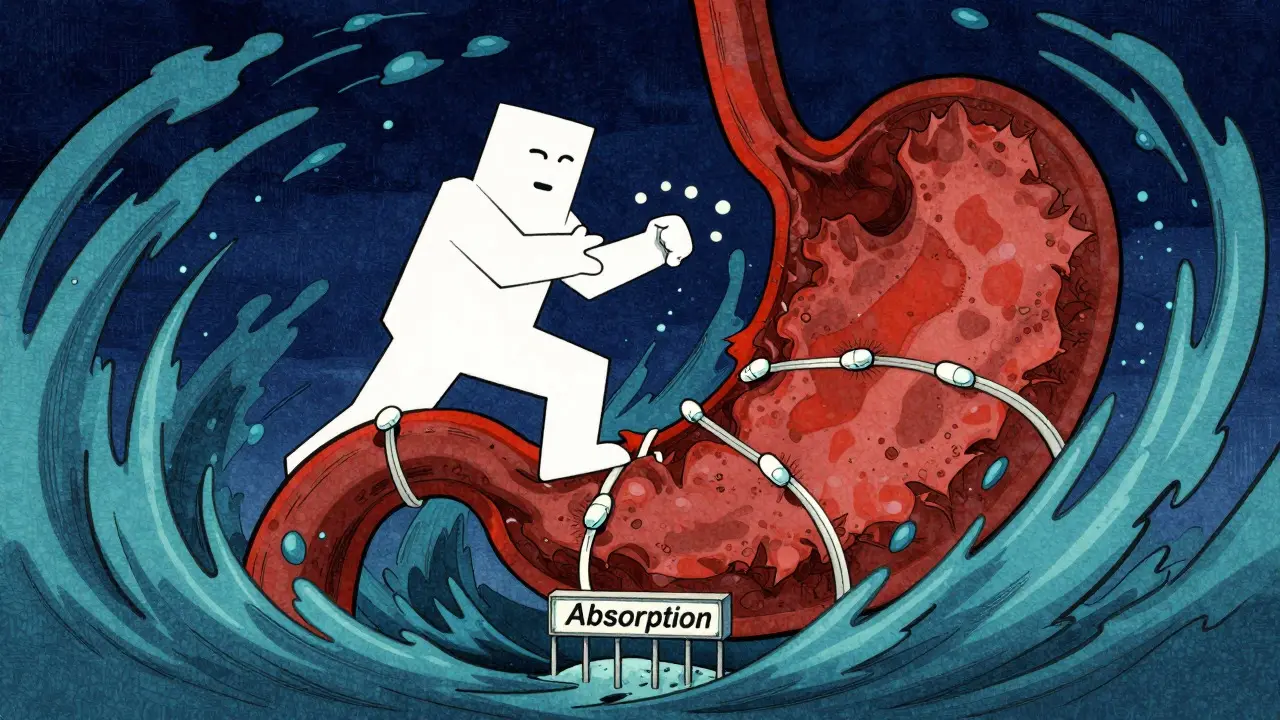
You swallow your morning pills with a glass of milk or pop an iron tablet to fix that persistent fatigue. It feels like responsible self-care. But what if those minerals are silently blocking your medicine from working? This isn't just a minor side note; it is a widespread issue affecting millions of people who take supplements alongside prescription drugs. When calcium, iron, and other minerals meet certain medications in your stomach, they can bind together in a process called chelation, which forms insoluble complexes that prevent proper absorption of the drug into the bloodstream. The result? You might be taking your medication, but your body never actually gets the dose it needs.
Why Minerals Block Medication Absorption
To understand why this happens, you have to look at how these substances behave chemically. Minerals like calcium and iron are positively charged ions. Many common medications, particularly antibiotics and thyroid hormones, have chemical structures that attract these positive charges. When they meet in the acidic environment of your stomach, they grab onto each other tightly. They form a large, clumpy molecule that is too big to pass through the lining of your gut.
This mechanism explains why simply swallowing a pill with a fortified smoothie or a calcium-fortified orange juice can render that pill useless. According to data from the U.S. Pharmacist, roughly 67% of women and 25% of men regularly consume calcium supplements. Add to that the high prevalence of iron supplementation for anemia, and you have a massive population at risk for reduced therapeutic efficacy. The interaction isn't always dramatic; it rarely causes immediate sickness. Instead, it leads to subtle treatment failures-like an infection that doesn't clear up or thyroid levels that remain unstable despite consistent dosing.
The Calcium Problem: Antibiotics and Thyroid Drugs
Calcium is perhaps the most common culprit in these interactions because it is everywhere. It’s in dairy, leafy greens, antacids like Tums, and standalone supplements. Its interaction profile is specific and well-documented. The two biggest categories of drugs that clash with calcium are tetracycline antibiotics (like doxycycline) and fluoroquinolone antibiotics (like ciprofloxacin).
Research indicates that calcium carbonate can reduce the bioavailability of ciprofloxacin by up to 40%. That means nearly half of the antibiotic never reaches your system. If you are treating a serious urinary tract infection or pneumonia, losing 40% of your drug's potency can lead to inadequate treatment and increased complications. For tetracyclines, the binding is so strong that experts often recommend avoiding calcium supplements altogether during the short course of these antibiotics.
Thyroid medication users need to pay close attention as well. Levothyroxine, the standard treatment for hypothyroidism, has very narrow margins for error. A study published in the South Medical Journal documented that calcium decreases levothyroxine's bioavailability significantly. Dr. Robert L. Talbert, a professor of pharmacy and medicine at the University of Texas, emphasized that doses must be separated by at least four hours. Taking them together can leave patients feeling fatigued and sluggish, mistaking poor absorption for a need for a higher dose, which then leads to further confusion when blood tests show inconsistent results.

Iron Supplements and Their Hidden Conflicts
Iron behaves differently than calcium, but it creates its own set of hurdles. Iron supplements, such as ferrous fumarate, which is one of the most commonly prescribed iron supplements for treating anemia, are pH-dependent. This means they need stomach acid to break down and absorb properly. This dependency creates two major conflict zones: other medications and dietary choices.
First, iron binds aggressively to tetracycline antibiotics. GoodRx medical reviewers note that iron prevents the absorption of tetracycline, doxycycline, and minocycline. If you are taking both, the antibiotic becomes less effective. The recommended spacing is strict: take the tetracycline at least 2 hours before or 4 hours after the iron supplement.
Second, and more commonly overlooked, is the impact of heartburn medications. Proton pump inhibitors (PPIs) like omeprazole and pantoprazole, as well as H2 blockers like famotidine, work by reducing gastric acidity. Since iron needs that acid to absorb, taking these heartburn meds alongside iron can drastically cut iron uptake. The NHS confirms that patients on long-term PPI therapy often struggle with maintaining healthy iron levels unless their dosage is adjusted or timed carefully. If you take iron for anemia and also suffer from acid reflux, you are fighting a biological tug-of-war.
Timing Is Everything: A Practical Spacing Guide
You don't necessarily have to stop taking your supplements. You just have to manage the clock. The goal is to create a "gap" where the first substance has moved out of the stomach and into the intestines before the second one arrives. Here is how to handle the most critical combinations:
- Calcium and Levothyroxine: Separate by at least 4 hours. Most people take thyroid medication first thing in the morning on an empty stomach. Wait until lunchtime or later to take your calcium.
- Calcium and Fluoroquinolones/Tetracyclines: Avoid calcium entirely during the antibiotic course if possible. If not, separate by at least 2 to 6 hours. Given the variability, 4 hours is a safer bet to ensure full absorption.
- Iron and Tetracyclines: Take the antibiotic 2 hours before or 4 hours after the iron. Do not take them within the same hour.
- Iron and Heartburn Meds (PPIs/H2 Blockers): Take the iron up to 2 hours before the heartburn medication. This allows the iron to absorb while stomach acid is still present. Alternatively, discuss oral iron dose adjustments with your doctor.
For pediatric cases, parents often face unique challenges. HealthyChildren.org notes that children prescribed tetracyclines for acne or infections may simultaneously need iron for anemia. Managing these schedules requires strict adherence to the 2-to-4-hour gap rule. Missing this window can lead to suboptimal treatment outcomes, meaning the child stays sick longer or requires additional courses of antibiotics.
| Mineral Supplement | Interacting Medication Class | Mechanism | Minimum Separation Time |
|---|---|---|---|
| Calcium | Fluoroquinolones (e.g., Ciprofloxacin) | Chelation (binding) | 2-6 hours (4 hours recommended) |
| Calcium | Tetracyclines (e.g., Doxycycline) | Chelation (binding) | 2-6 hours (avoid if possible) |
| Calcium | Levothyroxine | Absorption interference | At least 4 hours |
| Iron (Ferrous Fumarate) | Tetracyclines | Binding/Absorption block | 2 hours before or 4 hours after |
| Iron | PPIs / H2 Blockers | pH reduction (less acid) | Take iron 2 hours before heartburn med |

Dietary Hacks to Improve Absorption
Beyond timing, what you drink with your supplements matters. Iron absorption is enhanced by mild acids. HealthyChildren.org recommends taking iron supplements with orange juice rather than milk. Milk contains calcium, which binds to iron and blocks it, while the citric acid in orange juice helps keep the iron soluble and ready for absorption. This simple swap can make a noticeable difference in how well your body utilizes the supplement.
Conversely, avoid drinking coffee or tea with iron or calcium supplements. Tannins in tea and caffeine in coffee can also inhibit mineral absorption. Water remains the safest and most neutral vehicle for your pills.
Communicating With Your Healthcare Provider
The biggest gap in patient care is disclosure. Many people forget to mention their over-the-counter supplement use during doctor visits. Pharmacists should question patients about calcium intake due to the high prevalence of use, yet many patients assume supplements are harmless additions. Always provide a complete list of everything you ingest, including vitamins, minerals, and herbal remedies. Ask specifically: "Do I need to space these apart?" Getting personalized advice ensures that your complex regimen works together rather than against itself.
Can I take calcium and antibiotics at the same time?
Generally, no. Calcium interacts significantly with tetracycline and fluoroquinolone antibiotics through chelation, forming insoluble complexes that prevent absorption. It is best to separate them by at least 2 to 6 hours, with 4 hours being a safer interval to ensure the antibiotic remains effective.
How does iron affect heartburn medication?
Iron requires stomach acid for proper absorption. Heartburn medications like proton pump inhibitors (PPIs) and H2 blockers reduce gastric acidity. Taking them together can decrease iron absorption. To mitigate this, take iron up to 2 hours before your heartburn medication to maximize acid availability for the iron.
What is the best way to take levothyroxine with calcium?
You must separate levothyroxine and calcium by at least four hours. Calcium decreases the bioavailability of thyroid hormone. Most patients take levothyroxine first thing in the morning on an empty stomach and wait until lunch or dinner to take their calcium supplement.
Does orange juice help with iron absorption?
Yes. Orange juice contains vitamin C and mild acids that enhance iron solubility and absorption. It is recommended over milk, which contains calcium that binds to iron and inhibits its uptake.
Do all minerals interact with medications?
Not all minerals interact with every medication, but calcium and iron are among the most reactive due to their ability to chelate or alter stomach pH. Magnesium and aluminum, often found in antacids, can also interfere with drug absorption. Always check with a pharmacist for specific combinations.