Counterfeit Generics: How to Spot Fake Medications and Stay Safe

You trust your medicine to work. You take it because a doctor prescribed it or because you need relief from pain, infection, or chronic conditions. But what if that pill is just chalk, sugar, or something worse? Counterfeit generics are not just a problem in distant countries; they are infiltrating supply chains globally, including in North America. In 2024 alone, the Pharmaceutical Security Institute uncovered over 6,400 incidents of pharmaceutical counterfeiting across 136 countries. That number jumped 38% from 2020 levels. This isn't about saving a few dollars on brand-name drugs anymore. It's about protecting yourself from products that contain zero active ingredients or dangerous substitutes.
Authentic generic medications are lifesavers. They provide affordable access to essential treatments by mimicking the chemical composition of brand-name drugs without the high price tag. However, counterfeiters exploit this demand. They create look-alike packages filled with substandard materials. The World Health Organization (WHO) estimates that at least 1 in 10 medicines in low- and middle-income countries are substandard or falsified. Even in high-income nations, the risk is rising. With the explosion of telemedicine and online purchasing during and after the pandemic, criminals have found new ways to reach patients directly. Understanding how to identify these fakes is no longer optional-it’s a critical part of personal health management.
The Anatomy of a Counterfeit Generic
To protect yourself, you first need to understand what you are fighting against. A legitimate generic drug must undergo rigorous testing to prove bioequivalence. This means it delivers the same amount of active ingredient into your bloodstream within the same timeframe as the original brand-name drug. Regulatory bodies like the FDA in the United States or the EMA in Europe enforce strict standards. If a generic fails these tests, it never reaches the shelf.
Counterfeit generics bypass all of this. According to analysis published in The American Journal of Tropical Medicine and Hygiene, more than half of the counterfeit medicines detected in supply chains contain either no active pharmaceutical ingredient (API) or dangerous substitutes. Imagine taking an antibiotic for a serious infection, only to discover later that the pills were just colored starch. Your infection worsens, potentially leading to sepsis or death. Or consider the case of counterfeit malaria treatments in Nigeria, where consumers reported liver damage after using fake herbal facilities' products shut down in August 2025.
Criminals target specific categories. Antibiotics, painkillers, and "lifestyle" drugs like erectile dysfunction medications, steroids, and weight-loss injections are prime targets. Why? Because these drugs are in high demand, often purchased discreetly online, and patients may not immediately notice subtle differences in effectiveness. For example, if a weight-loss drug doesn't work, a patient might blame their diet rather than suspect the medication was fake. This delay gives criminals time to sell more product before victims realize they’ve been scammed.
| Feature | Authentic Generic | Counterfeit Generic | |
|---|---|---|---|
| Regulatory Approval | FDA/EMA approved; proven bioequivalence | No approval; unregulated manufacturing | |
| Active Ingredient | 80-125% of reference product potency | 0-30% potency or completely different substance | |
| Packaging Quality | High-quality print, consistent logos, security seals | Misspellings, blurry images, flimsy materials | |
| Price Point | 80-85% less than brand name | Often 30-50% cheaper than legitimate generics | |
| Sales Channel | Licensed pharmacies, hospitals, verified online sites | Social media, dark web, unverified websites |
Red Flags: How to Spot Fake Medications
You don’t need a laboratory to spot many counterfeit drugs. Start with the packaging. Criminals often rush production, leading to obvious errors. Look for misspelled words on the label. Is the manufacturer’s name spelled correctly? Are the fonts consistent? Legitimate pharmaceutical companies invest heavily in branding. A blurry logo or a color that looks slightly "off" should raise immediate suspicion.
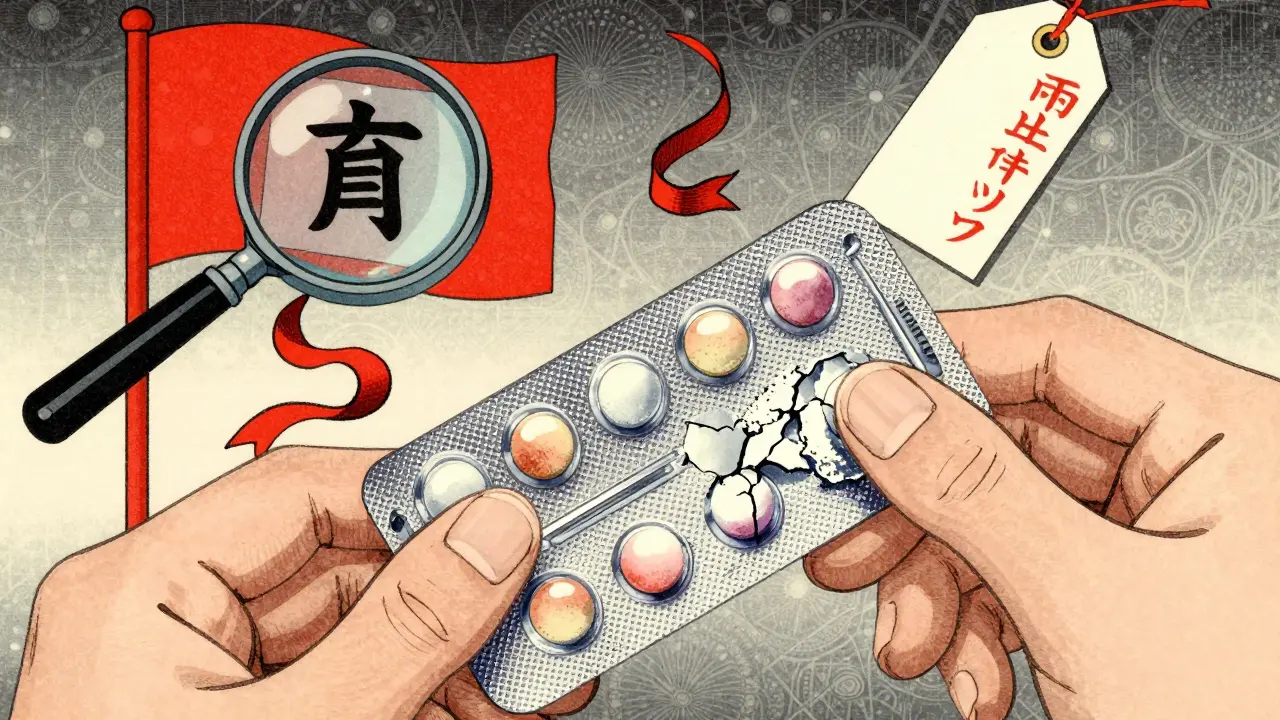
Check the seal. Many authentic medications come with tamper-evident seals. If the seal is broken, missing, or looks poorly applied, do not use the medication. The WHO’s "Medicines Safe" campaign advises consumers to "break the seal" and inspect the tablets themselves. Do the pills look uniform? Are there unusual cracks, discoloration, or strange odors? Authentic pills are manufactured under controlled conditions, ensuring consistency. If one pill looks significantly different from another in the same bottle, throw them out.
Verify the source. Where did you buy the medication? If you purchased it from an online pharmacy that does not require a prescription, you are at high risk. Former FDA Commissioner Dr. Margaret A. Hamburg noted that 89% of illegal online pharmacies do not require prescriptions. Furthermore, 50% of medicines sold by websites that hide their physical street address are fake. Always check for the VIPPS (Verified Internet Pharmacy Practice Sites) seal if buying online in the U.S., or equivalent licensing in your country.
Be wary of prices that seem too good to be true. While generics are cheap, counterfeiters undercut even those prices to attract buyers. If a website offers a popular drug like Ozempic or Botox for half the price of local pharmacies, it is likely a scam. In August 2025, an Iowa pharmacy was fined $25,000 for selling fake Ozempic, showing that even physical stores can sometimes be compromised if they source from unreliable distributors.
The Online Pharmacy Trap
The internet has made healthcare more accessible, but it has also opened the door for fraud. Social media platforms are increasingly used to sell counterfeit drugs. Ads for erectile dysfunction medications, weight-loss injections, and antibiotics appear on Facebook, Instagram, and TikTok. These ads often promise discreet shipping and no prescription needed. This is a major red flag.
Reddit discussions reveal real-world consequences. In a thread titled "My Ozempic turned out to be fake," users shared stories of treatment failure. One user, MedSafety42, reported no blood sugar improvement after three months on suspected fake Ozempic bought from an online "Canadian" pharmacy. These sites often mimic legitimate Canadian pharmacies but operate illegally. They may have a .ca domain, but their servers and warehouses are elsewhere. Without a valid prescription, they cannot verify your medical history, increasing the risk of adverse reactions.
Trustpilot reviews of online pharmacies show that 68% of negative reviews mention packaging that looked identical to genuine products but had no therapeutic effect. This highlights the sophistication of modern counterfeits. Criminals now use high-quality printing and packaging materials to deceive customers. Relying solely on visual inspection is becoming harder. This is why digital verification tools are essential.
Digital Verification Tools and Techniques
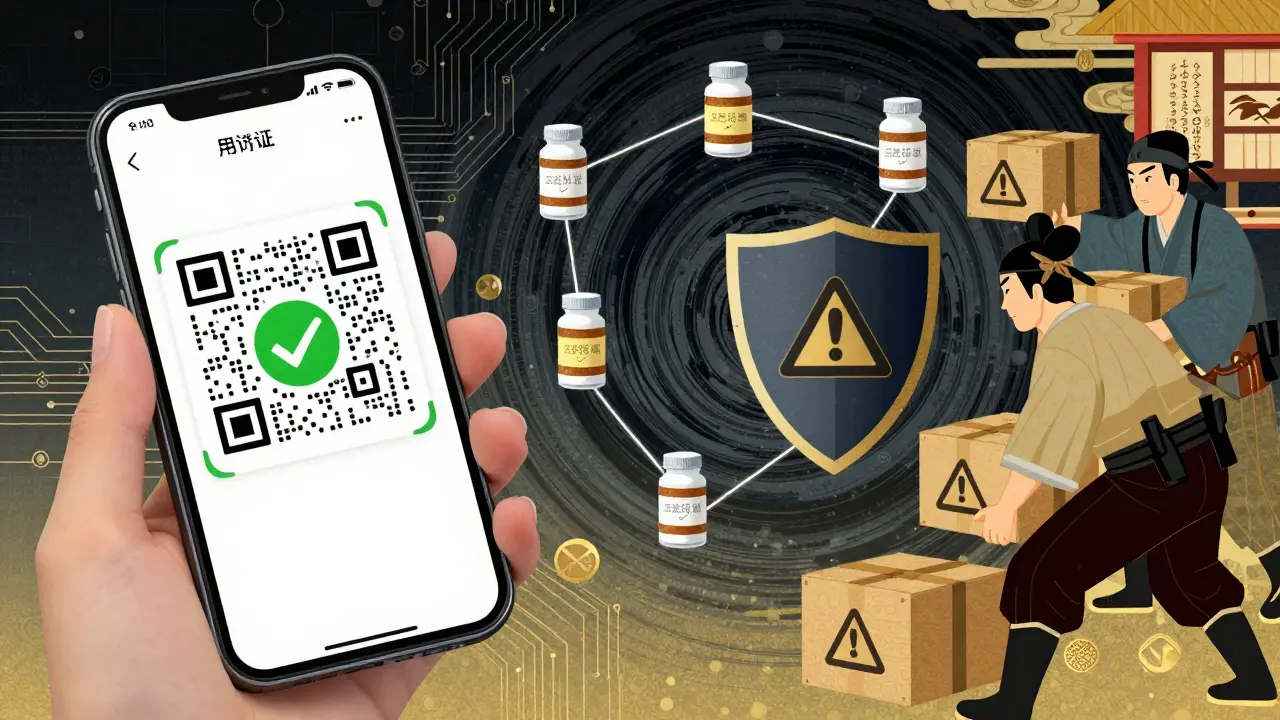
Technology is both the weapon of the criminal and the shield of the consumer. Many pharmaceutical companies have developed apps and websites to help patients verify their medications. For instance, Novo Nordisk’s "Verify Your Pen" system allowed 2.1 million authentications in Q3 2025. Users scan a QR code or enter a serial number to confirm the product’s legitimacy. In that quarter, 1.8% of scans flagged potential counterfeits. This simple step can save you from harm.
Apps like TrueMed have gained popularity for verifying medications, especially in regions with high rates of counterfeiting. With a 4.7/5 star rating on Google Play, users praise its ability to cross-reference batch numbers and packaging details against official databases. If you are traveling or buying from international sources, downloading such an app is a smart precaution.
For those who want deeper verification, portable spectrometers are emerging as a tool for advanced users. These devices analyze the chemical composition of a pill instantly. While expensive and requiring training, they offer definitive proof of authenticity. However, for most people, combining visual checks with digital verification is sufficient. Learn the basic checks: spelling, seal integrity, and source credibility. This takes about 15-20 minutes to master.
Global Impact and Regulatory Responses
The fight against counterfeit generics is global. Interpol’s Operation Pangea XVI in March 2025 resulted in the seizure of 50.4 million doses of unapproved and counterfeit medicines worldwide. Authorities shut down 13,000 illegal websites and social media channels. This shows that law enforcement is actively targeting these networks. However, the scale of the problem remains massive. The illicit pharmaceutical trade is estimated at $200 billion annually.
Regulations are tightening. The EU’s Falsified Medicines Directive, implemented in 2019, requires safety features on packaging, including unique identifiers. India mandated QR codes on active pharmaceutical ingredient containers in January 2023. In the U.S., the FDA announced new guidance in November 2025 requiring enhanced verification for high-risk generics, including semaglutide products. These measures aim to make it harder for counterfeits to enter the legitimate supply chain.
Blockchain technology is also being tested. Pilot programs in 15 countries have shown a 22% reduction in counterfeit incidence when blockchain verification systems are used. Blockchain creates an immutable record of a drug’s journey from manufacturer to patient. If a link in the chain is broken or altered, the system flags it. While adoption is still uneven, with only 32% of pharmacies in low-income countries having access to verification tools, the trend is moving toward greater transparency.
What To Do If You Suspect a Fake Drug
If you suspect your medication is counterfeit, stop taking it immediately. Do not flush it down the toilet. Keep the packaging and any remaining pills. Contact your pharmacist or doctor. They can help you determine if the symptoms you are experiencing are related to the medication. Report the incident to relevant authorities. In the U.S., you can report to the FDA’s MedWatch program. Pfizer has an Anti-Counterfeiting Hotline (1-800-593-5685) for reporting suspicious products. Internationally, the International Medical Products Anti-Counterfeiting Taskforce (IMPACT) portal processed over 12,000 consumer reports in 2024.
Reporting helps authorities track trends and dismantle criminal networks. Your action could prevent someone else from getting sick. Additionally, consult your insurance provider. If you were billed for a fake medication, you may be entitled to a refund or replacement. Never assume that because a drug came from a pharmacy, it is safe. Pharmacies can be targeted by suppliers who distribute counterfeits. Vigilance is everyone’s responsibility.
How can I tell if my generic medication is fake?
Look for misspellings on the label, blurry logos, or damaged seals. Check if the pills vary in color, size, or texture. Verify the pharmacy’s license and look for seals like VIPPS. Use manufacturer verification apps if available. If the price seems too good to be true, it probably is.
Are online pharmacies safe for buying generics?
Only if they are licensed and require a valid prescription. Avoid sites that hide their physical address or offer drugs without consultation. Over 89% of illegal online pharmacies do not require prescriptions, and 50% of medicines from sites hiding their address are fake.
What are the dangers of taking counterfeit generics?
Counterfeit drugs may contain no active ingredient, leading to treatment failure. They may also contain toxic substances causing organ damage, allergic reactions, or death. Substandard antibiotics contribute to antimicrobial resistance, a growing global health threat.
Which medications are most commonly counterfeited?
Antibiotics, painkillers, erectile dysfunction drugs, steroids, weight-loss injections (like Ozempic), and psychotropic medications are frequent targets due to high demand and discreet purchase habits.
Who should I contact if I find a fake drug?
Report to your national regulatory authority (e.g., FDA MedWatch in the US). Contact the manufacturer’s anti-counterfeiting hotline. Inform your pharmacist and doctor. International reports can be submitted via the IMPACT portal.