Epilepsy Surgery: Who Qualifies, Risks, and Realistic Outcomes
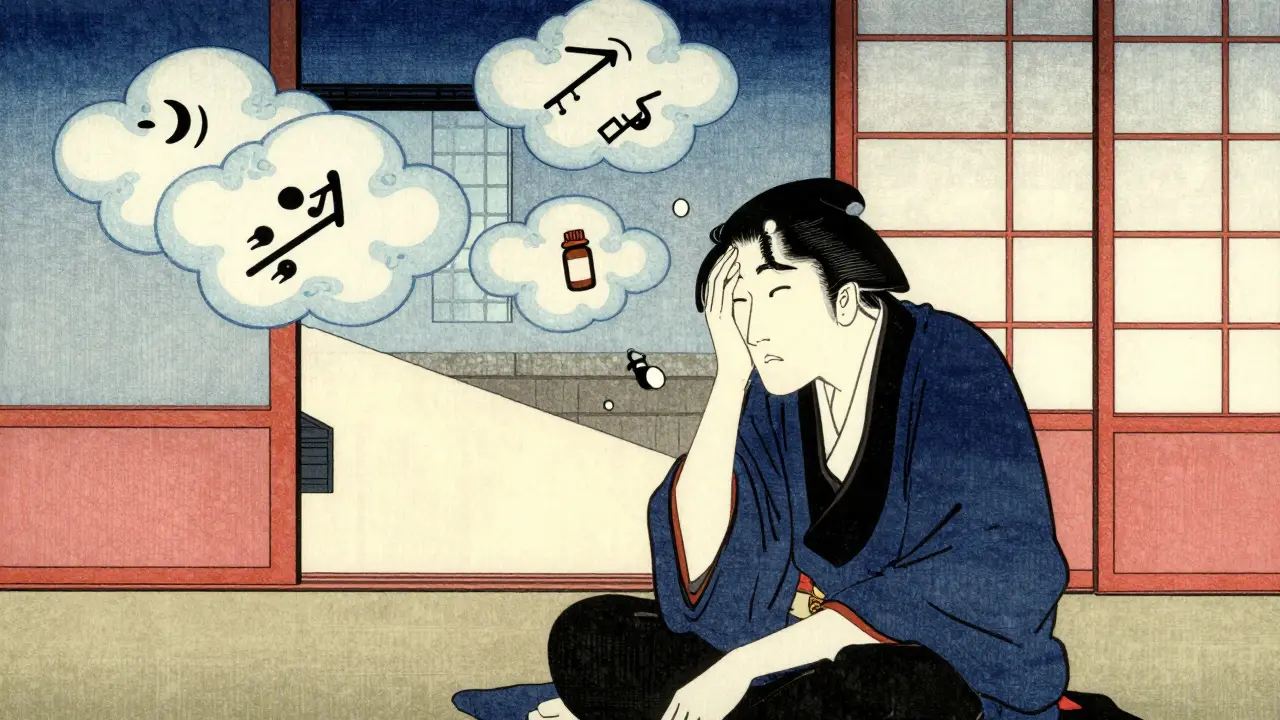
Living with drug-resistant epilepsy, defined by the International League Against Epilepsy (ILAE) as the failure of two appropriate medications to stop seizures is exhausting. You try one drug, then another, hoping for a break from the daily disruption. But when those options run out, you are left with a hard question: is surgery right for you? It is not just about cutting; it is about mapping your brain’s unique wiring to find the exact spot causing trouble.
The good news is that surgery is no longer a last resort reserved for the most desperate cases. In fact, waiting too long can actually hurt your chances of success. If you have tried two medicines without relief, you might already be a candidate. This guide breaks down who qualifies, what the risks really look like, and what outcomes you can realistically expect, based on the latest clinical data and expert consensus.
When Is Surgery an Option?
The biggest myth in epilepsy care is that you must suffer through years of failed medications before considering surgery. That old rule is gone. According to guidelines published in 2022 by the ILAE Surgical Therapies Commission, you should be referred to a specialized center as soon as drug resistance is confirmed. Do not wait two years. Do not wait until you have tried ten drugs. The sooner you get evaluated, the better your brain health remains.
To qualify for presurgical evaluation, a comprehensive process involving video-EEG monitoring, high-resolution MRI, and neuropsychological testing, you generally need to meet three criteria:
- Disabling Seizures: You experience at least one disabling seizure per month, or your medication side effects are so severe they impact your quality of life.
- Focal Onset: Your seizures start in one specific area of the brain (focal epilepsy), rather than starting everywhere at once (generalized epilepsy).
- Surgically Remediable Syndrome: Imaging and tests point to a clear target, such as scar tissue in the hippocampus known as mesial temporal lobe epilepsy, the most common type treated surgically.
If you have generalized epilepsy, where seizures involve both sides of the brain simultaneously, resective surgery (removing tissue) usually isn't an option. However, newer approaches like responsive neurostimulation (RNS), a device that monitors brain activity and delivers electrical pulses to stop seizures may still help. The FDA expanded indications for RNS in 2022, opening doors for more patients.
The Evaluation Process: What to Expect
You cannot go straight to surgery. First, you undergo a rigorous presurgical evaluation at a Level 4 epilepsy center. These centers, designated by the National Association of Epilepsy Centers (NAEC), have the highest level of expertise, including epileptologists, neurosurgeons, and neuropsychologists working together.
This process typically takes two to six weeks. Here is what happens during that time:
- Video-EEG Monitoring: You stay in the hospital for five to seven days. Doctors record your brain waves and video feed to capture your typical seizures. They need to see exactly where the electrical storm starts.
- High-Resolution MRI: A standard MRI might miss small lesions. You will get a 3T MRI with epilepsy-specific protocols, taking images every millimeter to spot subtle abnormalities like cortical dysplasia or hippocampal sclerosis.
- Neuropsychological Testing: Specialists assess your memory, language, and problem-solving skills. This establishes a baseline and helps predict how surgery might affect these functions.
- Advanced Imaging: Sometimes, an FDG-PET scan or SPECT scan is used to pinpoint areas of abnormal metabolism or blood flow during a seizure.
In some complex cases, doctors may implant electrodes directly into the brain (intracranial EEG) for a few days to map the seizure zone with extreme precision. This step ensures they do not remove healthy brain tissue by mistake.
Types of Procedures and Success Rates
Not all epilepsy surgery looks the same. The procedure depends entirely on where your seizures originate. Understanding the difference between resective and palliative surgeries is crucial for setting realistic expectations.
| Procedure Type | Description | Seizure Freedom Rate | Best For |
|---|---|---|---|
| Temporal Lobectomy | Removal of the part of the temporal lobe causing seizures | 65-80% | Mesial temporal lobe epilepsy with hippocampal sclerosis |
| Laser Interstitial Thermal Therapy (LITT) | Minimally invasive laser ablation of the seizure focus | 55% at 1 year | Hippocampal sclerosis, hypothalamic hamartomas |
| Corpus Callosotomy | Cutting the connection between brain hemispheres | Reduces drop attacks significantly | Generalized epilepsy, especially atonic seizures |
| Responsive Neurostimulation (RNS) | Implanted device that detects and interrupts seizures | ~50% reduction in frequency | Multiple seizure foci or eloquent cortex areas |
For patients with mesial temporal lobe epilepsy, temporal lobectomy, the removal of the anterior part of the temporal lobe remains the gold standard. About 70% of these patients become completely seizure-free within two years. Compare that to continuing medication, where less than 5% achieve spontaneous remission. That is a massive difference in life trajectory.
Newer techniques like LITT offer a minimally invasive alternative. Instead of opening the skull and removing tissue, surgeons use a laser fiber inserted through a small hole to heat and destroy the seizure focus. While the seizure freedom rate is slightly lower than traditional lobectomy (55% vs 65-70%), the complication rate is much lower (2.3% vs 8.7%), and recovery is faster. This makes it attractive for patients who want to minimize surgical risk.
Risks and Potential Complications
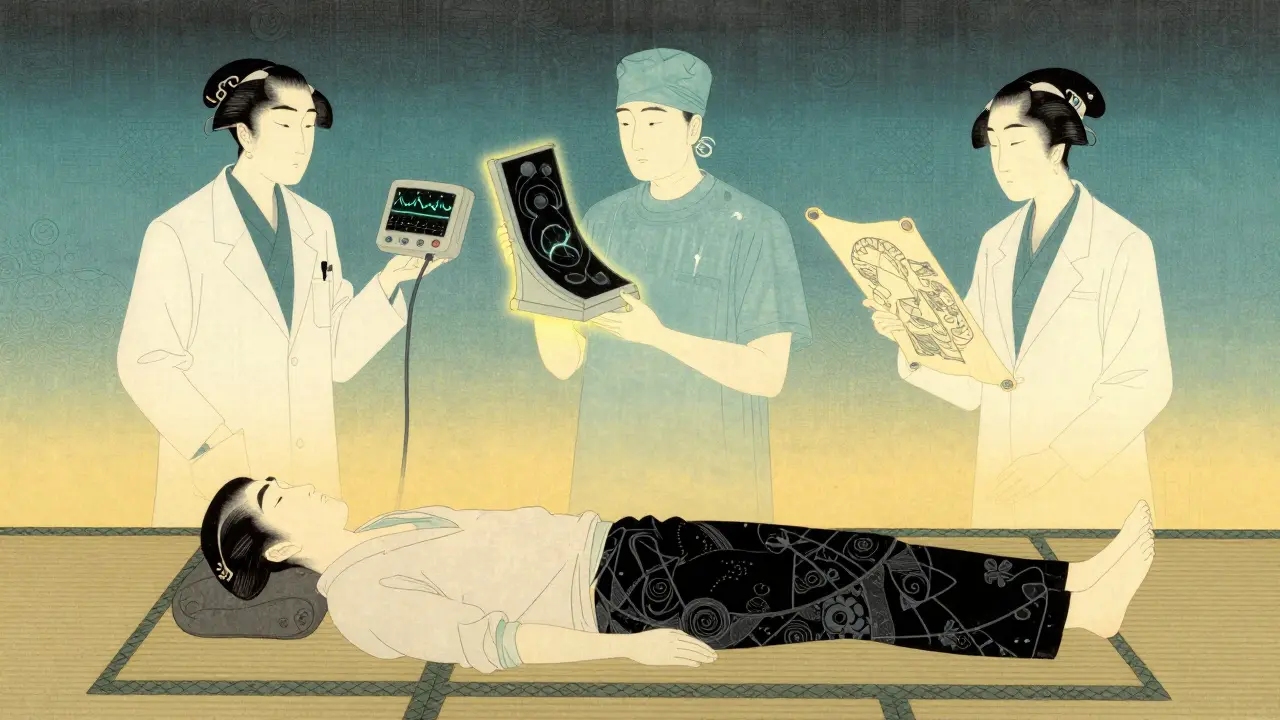
Brain surgery is serious business. No one should underestimate the risks. However, modern techniques have made these procedures safer than ever. The key is understanding that "risk" does not mean "guaranteed outcome."
For temporal lobectomy, the most common concern is memory loss. Since the temporal lobe handles memory formation, removing part of it can affect verbal memory if the dominant hemisphere is operated on. Studies show a 1-2% risk of permanent neurological deficit, such as visual field cuts (losing part of your peripheral vision). Transient complications, like headaches or mild confusion, occur in 5-10% of cases but usually resolve.
Other risks include:
- Bleeding or Infection: Standard risks for any major surgery, occurring in less than 1% of cases.
- Cognitive Changes: Some patients report slight changes in processing speed or attention, though many feel sharper because they are no longer burdened by frequent seizures and heavy medication loads.
- Continued Seizures: There is a chance surgery won’t work. If the wrong area was removed, or if the seizure focus was larger than expected, seizures may continue. This happens in about 20-30% of resective surgeries.
It is vital to discuss these risks with your neurosurgeon. Ask specifically: "What are the worst-case scenarios for my specific case?" and "How will this affect my ability to drive or work?"
Realistic Outcomes and Quality of Life
Success isn't just about being seizure-free. It is about reclaiming your life. For those who achieve seizure freedom, the benefits are profound. A 2021 Multicenter Study found that 79% of postoperative patients regained their driver's license, something many had lost decades ago. Others return to work, engage in sports, and sleep through the night without fear.
Even if you don't achieve total seizure freedom, a significant reduction in frequency can be life-changing. If you went from 20 seizures a month to one every few months, that is a win. It reduces the risk of injury, lowers medication doses, and decreases the risk of SUDEP, or sudden unexpected death in epilepsy, which affects roughly 1 in 1,000 people with epilepsy annually.
Financially, successful surgery pays for itself. A 2023 cost-effectiveness analysis showed that society saves $1.2 million per successfully treated patient over ten years due to reduced healthcare costs and increased productivity. For you, that means fewer ER visits, fewer hospitalizations, and potentially returning to full-time employment.

Barriers to Access and How to Overcome Them
Despite its effectiveness, epilepsy surgery is vastly underutilized. Only about 1% of Americans with drug-resistant epilepsy are referred to a center each year, even though up to 40% could benefit. Why? Fear, misinformation, and insurance hurdles.
Many patients fear brain surgery. A study found that 50% of referred patients decline evaluation due to anxiety about cognitive deficits or physical disability. Talk to other patients. Join support groups. Hearing real stories from people who have undergone the procedure can demystify the process.
Insurance denials are another major hurdle. About 42% of initial authorization requests are denied. Do not give up. Most appeals are successful (78%). Keep detailed records of your seizure diaries, medication trials, and impact on daily life. Use the ILAE’s standardized referral form to document your history clearly. Organizations like the Epilepsy Surgery Alliance offer patient navigators who can help guide you through this bureaucratic maze.
Next Steps for Potential Candidates
If you suspect you have drug-resistant epilepsy, take action now. Do not wait. Start by keeping a detailed seizure diary for at least three months. Record the date, time, duration, and type of each seizure. Note any triggers. Bring this log to your neurologist.
Ask your doctor for a referral to a Level 4 epilepsy center. Look for centers accredited by the NAEC. They have the multidisciplinary teams necessary for a thorough evaluation. If cost or location is a barrier, explore telehealth consultations for initial screenings or travel grants offered by non-profits.
Remember, surgery is a tool, not a cure-all. It requires commitment, preparation, and realistic expectations. But for the right candidate, it offers the best chance at a life free from the shackles of uncontrolled seizures.
How do I know if I have drug-resistant epilepsy?
You likely have drug-resistant epilepsy if you have tried two different antiseizure medications (ASMs) at therapeutic doses and still experience disabling seizures. The International League Against Epilepsy defines this as the failure of adequate trials of two tolerated, appropriately chosen ASMs to achieve sustained seizure freedom. If this sounds like you, ask your neurologist about a surgical evaluation immediately.
Is epilepsy surgery safe for older adults?
Yes. Current ILAE guidelines recommend surgical evaluation for patients up to age 70, provided they are otherwise healthy enough for anesthesia. Age alone is not a disqualifier. Many older adults experience significant improvements in quality of life and independence after successful surgery.
What is the difference between LITT and traditional lobectomy?
Traditional lobectomy involves open surgery to remove a portion of the brain tissue causing seizures. LITT (Laser Interstitial Thermal Therapy) is minimally invasive; a laser fiber is inserted through a small hole in the skull to heat and destroy the seizure focus. LITT has a lower complication rate and faster recovery but may have slightly lower long-term seizure freedom rates compared to lobectomy for certain conditions.
Will I lose my memory after surgery?
Memory changes depend on which part of the brain is operated on. Temporal lobectomy can affect verbal memory if performed on the dominant hemisphere. Neuropsychological testing before surgery helps predict these risks. For many patients, the improvement in cognitive function from stopping seizures and reducing medication outweighs minor memory changes.
What if insurance denies my presurgical evaluation?
Denials are common but often reversible. Work with your neurologist to provide detailed documentation of your failed medication trials and seizure impact. File an appeal promptly. Patient advocacy groups like the Epilepsy Foundation and the Epilepsy Surgery Alliance can provide resources and guidance to help navigate the appeals process.