Generic Drug Prices: US vs Europe and Why They Differ
The Generic Price Paradox
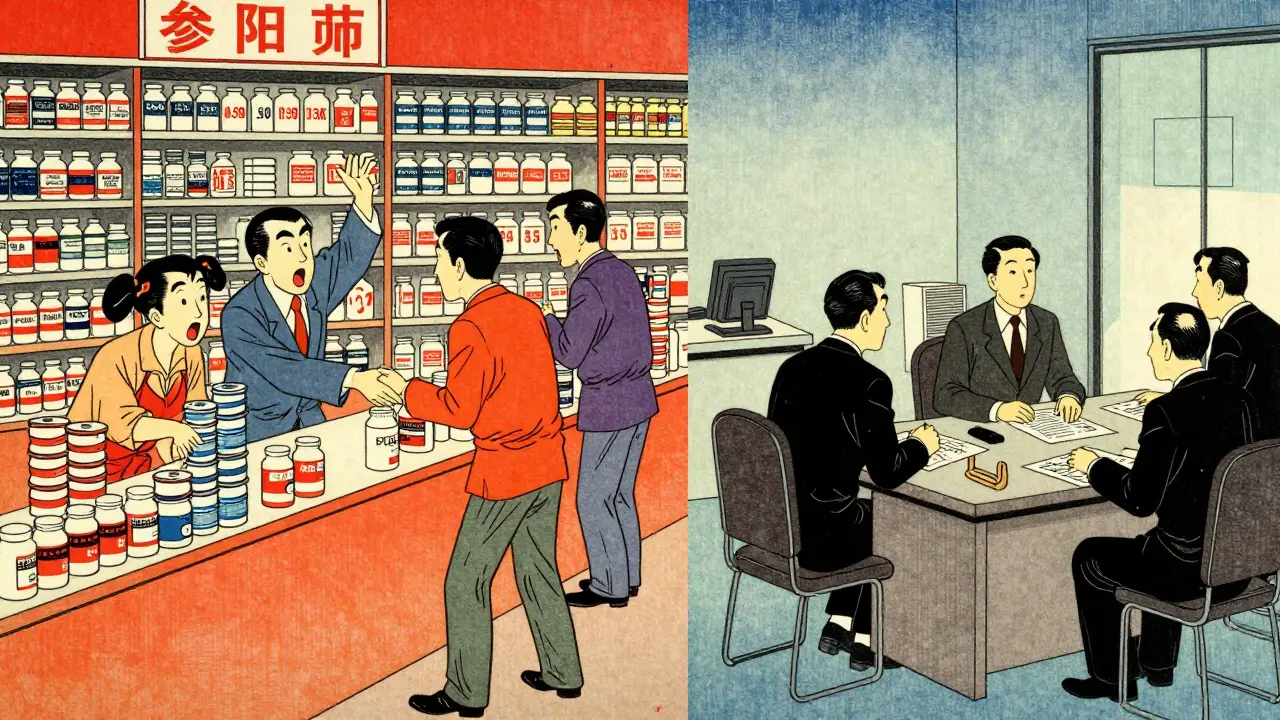
If you have ever filled a prescription in the United States and then traveled to Europe, you might have noticed something strange. You likely paid significantly less for your generic medication at home than you would have across the Atlantic. It sounds counterintuitive, given the widespread narrative that American healthcare is the most expensive in the world. But when it comes to off-patent, generic drugs, the United States often offers lower prices than many European nations.
This isn't just anecdotal evidence from travelers; it is backed by hard data. According to a 2022 analysis by the U.S. Department of Health and Human Services' Office of the Assistant Secretary for Planning and Evaluation (ASPE), unbranded generics in the U.S. cost about 67 percent of what they do in 33 other OECD countries. In plain English, Americans pay roughly one-third less for generic medicines than their European counterparts. This stands in stark contrast to brand-name drugs, where U.S. prices are often more than four times higher than international averages.
Why are generic drugs cheaper in the US than in Europe?
The primary reason is market competition. The US has a highly competitive generic market with many manufacturers fighting for volume, driving prices down. In contrast, European markets often have fewer generic competitors due to stricter regulatory barriers and centralized pricing systems that maintain higher margins for manufacturers.
Market Structure: Competition vs. Control
To understand why this price gap exists, we need to look at how each region handles pharmaceutical sales. The U.S. system is fragmented and driven by private market forces. When a brand-name patent expires, multiple generic manufacturers rush to enter the market. This surge in supply creates intense competition. Pharmacy Benefit Managers (PBMs) and large pharmacy chains leverage this competition to negotiate rock-bottom prices through bulk purchasing power.
In Europe, the approach is different. Most European countries use centralized price negotiation or reference pricing systems. Government agencies directly negotiate with manufacturers to set prices. While this ensures affordability for brand-name drugs, it can actually keep generic prices higher because there is less pressure to compete on price alone. In fact, only about 41 percent of prescription volume in Europe consists of unbranded generics, compared to 90 percent in the U.S. This lower volume of generics means less competitive pressure, allowing manufacturers to maintain higher profit margins per unit.
Dana Goldman, a professor at the University of Southern California and member of the National Academy of Medicine, explains that Americans "do quite well in the generic market" precisely because the competitive mechanism functions effectively. The U.S. model relies on volume-selling millions of units at thin margins-while European models often prioritize stable pricing over aggressive discounting.
The Role of PBMs and Rebates
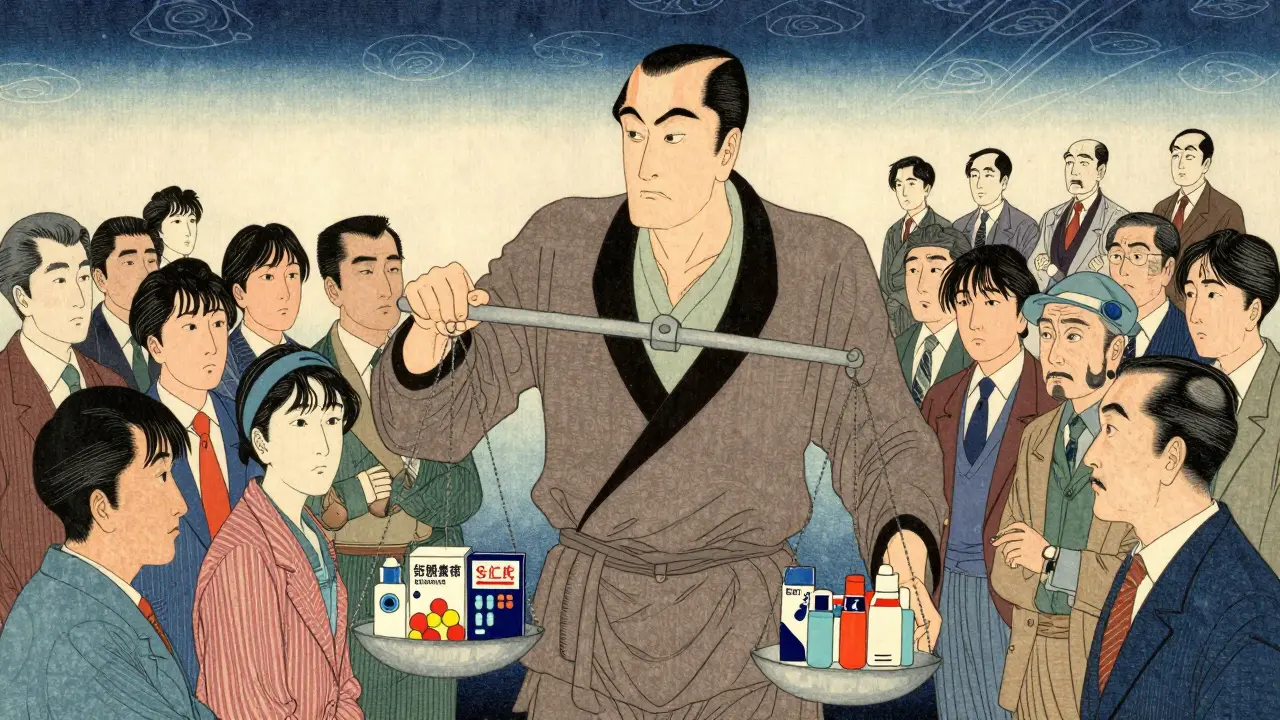
A key player in the U.S. generic price dynamic is the Pharmacy Benefit Manager, or PBM. These intermediaries sit between drug manufacturers, insurance companies, and pharmacies. PBMs negotiate rebates and discounts on behalf of insurers. For brand-name drugs, these rebates can average 35-40 percent off list prices, though they are often hidden from consumers. For generics, the effect is even more pronounced.
PBMs aggregate the buying power of millions of insured Americans. When a PBM tells a generic manufacturer, "We will direct our entire network to buy your version of metformin if you give us the lowest price," the manufacturer has little choice but to comply. This volume-based bargaining drives net prices down significantly. In Europe, such consolidated private bargaining power does not exist in the same way. Instead, national health services or regional insurers negotiate individually, lacking the sheer scale of U.S. PBM networks.
| Feature | United States | Europe (Typical) |
|---|---|---|
| Pricing Mechanism | Market-driven, negotiated by PBMs | Government-negotiated or reference-based |
| Generic Market Share | ~90% of prescriptions | ~41% of prescriptions |
| Price Driver | Volume competition among many manufacturers | Regulated margins and therapeutic value |
| Brand Name Prices | Very High (subsidizes R&D) | Moderate (controlled by state) |
The Brand-Name Trade-Off
You cannot talk about generic prices without addressing the elephant in the room: brand-name drugs. The U.S. pays a premium for patented medications. According to the ASPE report, U.S. prices for brand-name drugs were 422 percent of prices in comparison countries. This high spending funds approximately two-thirds of global pharmaceutical research and development (R&D).
Experts like Dr. Joseph Antos argue that this is not an accident but a feature of the system. The U.S. market acts as a subsidy for global innovation. Because European countries negotiate low prices for new drugs, they rely on the U.S. market to generate the profits that make risky drug development financially viable. As Dana Goldman notes, other countries are essentially "free riding" on U.S. patients who pay higher prices for new therapies.
This creates a dichotomy: Americans pay less for old, proven generic drugs but much more for new, patented ones. Europeans pay more for generics but significantly less for brand-name innovations. The total out-of-pocket cost for a patient depends heavily on their specific health needs and insurance coverage.
Real-World Examples and Patient Impact
Let’s look at what this means for actual patients. A Reddit user reported paying €15 (roughly $16) for a month’s supply of generic lisinopril in Germany, whereas the same medication costs about $4 at Walmart in the U.S. This kind of disparity is common for basic cardiovascular and diabetes medications.
However, the experience flips for newer treatments. Consider Jardiance, a branded diabetes drug. Medicare’s negotiated price was $204, while the average price in comparable OECD countries was just $52. If you need cutting-edge cancer therapy or rare disease treatments, being in the U.S. can be financially devastating without robust insurance, whereas European patients benefit from capped co-pays regardless of the drug's complexity.
Another practical difference lies in substitution policies. In 49 U.S. states, pharmacists automatically substitute a brand-name prescription with a generic equivalent unless the doctor specifies otherwise. This automatic switch maximizes the use of cheaper generics. In Europe, substitution rules vary; for example, France requires physician approval for many switches, which can slow down the adoption of lower-cost alternatives.
Future Trends: Is the Gap Closing?
The landscape is shifting. The Inflation Reduction Act (IRA) introduced Medicare drug price negotiations, allowing the government to cap prices for certain high-cost brand-name drugs. Early results show significant reductions, with some negotiated prices still higher than international averages but trending downward. By 2027, these negotiations could reduce U.S. brand-name prices by 25-30 percent for selected medications.
Meanwhile, political pressure in the U.S. continues to mount against high drug costs. Proposals like the "most favored nation" pricing policy aim to align U.S. prices with those in other developed countries. However, industry leaders warn that such measures could force pharmaceutical companies to raise prices in Europe to maintain R&D funding, potentially eroding the current advantages both regions enjoy.
As of 2026, the fundamental structure remains intact: the U.S. generic market is highly competitive and cheap, while the brand market is expensive and innovative. Europe maintains controlled, moderate prices across the board but with less aggressive generic competition. Understanding these differences helps patients and policymakers navigate the complex global pharmaceutical economy.
Are generic drugs in the US safer than in Europe?
Yes, generic drugs in both the US and Europe meet strict safety and efficacy standards. The FDA in the US and the EMA in Europe require generics to be bioequivalent to their brand-name counterparts. The price difference is due to market competition, not quality differences.
Will Medicare price negotiations lower generic drug costs?
Medicare price negotiations under the Inflation Reduction Act currently target high-cost brand-name drugs, not generics. Since generic drugs are already inexpensive in the US due to market competition, they are not included in these negotiations. The focus is on reducing the burden of patented medications.
Why do Europeans pay more for generics if their healthcare is subsidized?
European healthcare systems prioritize stability and fair returns for manufacturers to ensure supply chain reliability. Centralized pricing prevents the "race to the bottom" seen in the US, where extremely low generic prices can sometimes lead to shortages if manufacturers exit the market due to unprofitability.
How do PBMs affect my out-of-pocket costs?
PBMs negotiate rebates that lower the overall cost for insurance plans, which can help keep premiums and deductibles manageable. However, because rebates are often based on list prices rather than net prices, patients sometimes face higher out-of-pocket costs if their plan uses percentage-based copays tied to inflated list prices.
Is the US subsidizing global drug innovation?
Many experts believe so. The US accounts for 40% of global prescription drug sales despite having only 4% of the world's population. The high prices paid for brand-name drugs in the US generate revenues that fund a significant portion of global R&D, benefiting patients worldwide who later access these drugs at lower prices.