Generic Patent Case Law: Landmark Court Decisions Shaping Drug Prices
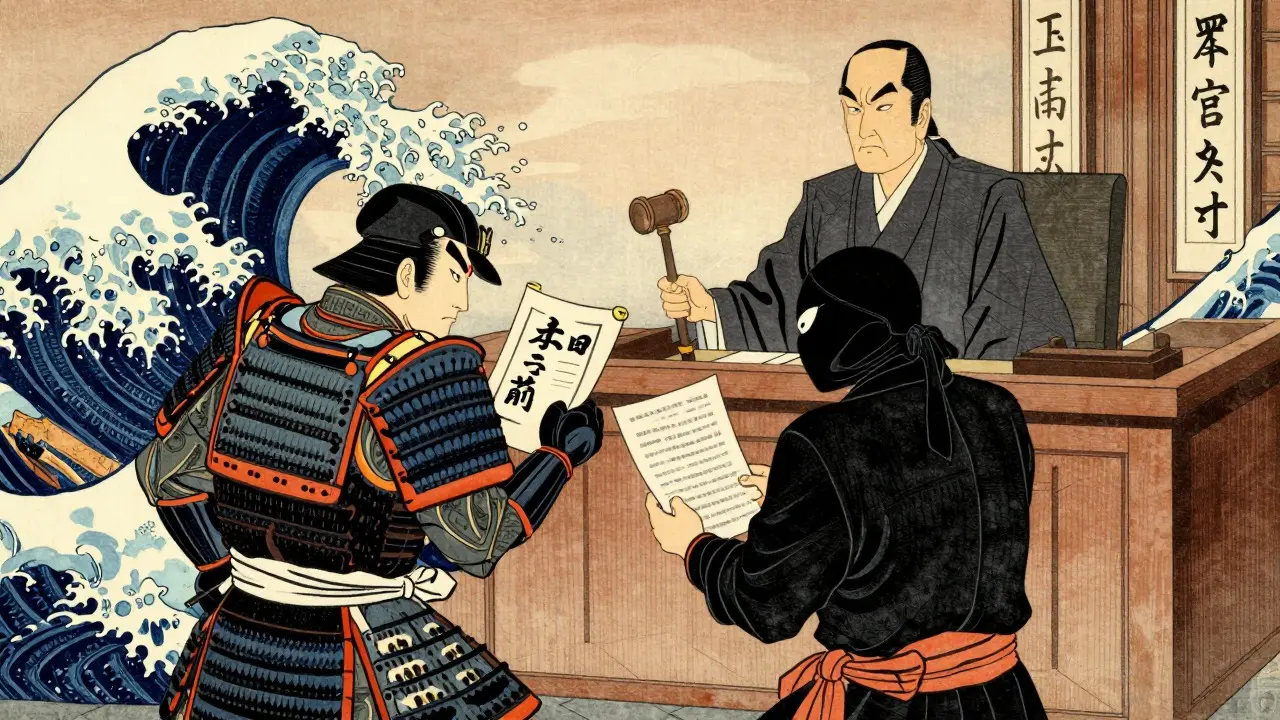
Why does your generic medication sometimes cost almost as much as the brand-name version? The answer usually isn't about manufacturing costs. It’s about courtrooms.
The battle between brand-name pharmaceutical giants and generic drug manufacturers is fought in a complex legal arena known as generic patent case law. This body of precedents dictates when generics can enter the market and how long brands can maintain their monopolies. Recent landmark decisions have shifted this balance dramatically, affecting everything from insulin prices to cancer treatments. Understanding these rulings helps explain why some drugs remain expensive long after their initial patents expire.
The Foundation: How the Hatch-Waxman Act Works
To understand today’s lawsuits, you first need to grasp the system that created them. In 1984, Congress passed the Drug Price Competition and Patent Term Restoration Act, commonly known as the Hatch-Waxman Act. This law was designed to solve two problems at once: encourage innovation by protecting new drugs, and lower costs by speeding up generic entry.
Here is how it works in practice:
- ANDA Submission: Generic manufacturers file an Abbreviated New Drug Application (ANDA) with the FDA. They don’t need to repeat clinical trials; they just prove their drug is bioequivalent to the brand name.
- Orange Book Listings: Brand companies must list all relevant patents for their drug in the FDA’s Approved Drug Products with Therapeutic Equivalence Evaluations, often called the Orange Book.
- Paragraph IV Certification: If a generic company believes a listed patent is invalid or won’t be infringed, they can file a “Paragraph IV” certification. This triggers a lawsuit from the brand company.
- 30-Month Stay: Once the brand sues, there is an automatic 30-month delay before the generic can launch, giving both sides time to litigate.
- 180-Day Exclusivity: The first generic company to challenge a patent successfully gets 180 days of exclusive marketing rights, incentivizing risky lawsuits.
This framework creates a predictable path for competition. However, the rules are constantly being tested and reshaped by courts. As of 2025, 85% of U.S. prescriptions are filled with generic drugs, saving consumers billions. But the litigation itself remains the biggest barrier to entry.
Amgen v. Sanofi: Raising the Bar for Biologics
If one case defines modern generic patent law, it is Amgen v. Sanofi. This Supreme Court decision, finalized in 2023, changed how patents for biologics-complex drugs like antibodies-are evaluated.
Biologics are different from traditional small-molecule drugs (like aspirin). They are large, complex proteins produced by living cells. Because of this complexity, patents often cover broad families of molecules rather than a single specific chemical structure.
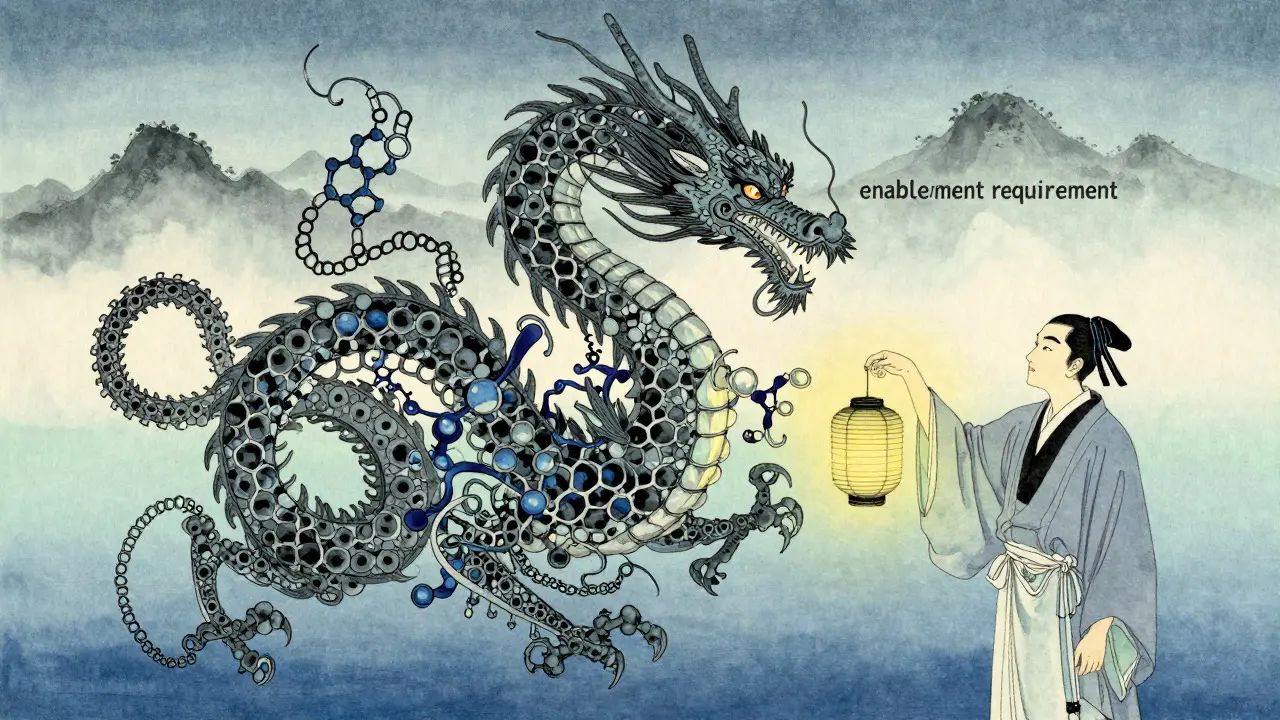
In this case, Amgen held a patent covering a vast range of antibodies used to treat high cholesterol. Their patent claimed potentially millions of variations but only described 26 specific examples in the patent document. The Supreme Court ruled unanimously that this violated the “enablement requirement.”
What does that mean for you? It means a patent must teach a scientist how to make and use the invention without “undue experimentation.” If a patent claims a huge scope but provides little guidance, it is too vague to be valid. This decision makes it harder for brand companies to block biosimilars (generic versions of biologics) using overly broad patents.
However, the impact is mixed. Professor Arti Rai from Duke Law School noted that while this protects competition, it might also chill investment in next-generation antibody therapeutics because investors fear their patents won’t hold up. For patients, though, the immediate effect is positive: clearer boundaries mean fewer artificial barriers to cheaper alternatives.
Allergan v. Teva: Strengthening Brand Defenses
While Amgen v. Sanofi helped generics, another major 2024 decision, Allergan v. Teva, swung the pendulum back toward brand manufacturers. This Federal Circuit ruling addressed a tricky issue: what happens when a brand company files a new patent application after a generic company has already filed its ANDA?
In this scenario, Teva argued that Allergan’s later-filed patent should not be able to block their generic entry because the original patent had already expired. The court disagreed. They affirmed that first-filed patents cannot be invalidated simply because later-filed patents have earlier expiration dates.
This decision strengthened brand patent portfolios. It allows companies to keep adding layers of protection around their core drugs. According to a 2024 survey by the Federal Circuit Bar Association, 72% of patent attorneys believe this ruling will increase “patent term manipulation strategies.” In plain English, brands may now file more secondary patents to extend their monopoly periods beyond the original expiry date.
Amarin v. Hikma: The Danger of Labeling
Patent infringement isn’t just about making the same molecule. It can also happen through marketing. The case of Amarin v. Hikma highlights this risk.
Hikma launched a generic version of Amarin’s omega-3 acid ethyl ester drug. To avoid infringing on Amarin’s patent for treating high triglycerides, Hikma used “skinny labeling”-they removed the patented indication from their label and marketed the drug only for non-patented uses. However, Amarin sued, claiming Hikma’s sales reps encouraged doctors to prescribe it for the patented condition anyway.
The court found that induced infringement occurs when a generic company actively promotes unapproved uses. This case resulted in a $135 million settlement. It serves as a warning to generic manufacturers: even if your label is clean, your marketing tactics must be spotless. In 2023, branded companies succeeded in 63% of induced infringement claims, showing that courts take aggressive marketing seriously.
The Role of Inter Partes Review (IPR)
Courtroom battles aren’t the only way to challenge patents. Since the America Invents Act of 2011, generic challengers have increasingly used Inter Partes Review (IPR) proceedings at the Patent Trial and Appeal Board (PTAB).
IPRs are faster and cheaper than federal court litigation. They focus specifically on whether a patent is novel and non-obvious. In 2023, 78.3% of generic challenges included IPR filings. This strategy allows generic companies to attack the validity of a patent while simultaneously fighting infringement claims in district court.
This dual-track approach creates pressure on brand companies. They have to defend their patents in two places at once. If the PTAB invalidates the patent, the court case often becomes moot. This efficiency has made IPRs a standard part of any generic challenger’s playbook.
| Strategy | Description | Success Rate / Impact | Risk Level |
|---|---|---|---|
| Paragraph IV Certification | Challenging patent validity in federal court | Triggers 30-month stay; leads to 180-day exclusivity | High (costly litigation) |
| Inter Partes Review (IPR) | Administrative review at PTAB | Used in 78.3% of cases; faster resolution | Medium (specialized expertise required) |
| Skinny Labeling | Removing patented indications from label | Effective if marketing stays clean | High (risk of induced infringement suits) |
| Product Hopping Defense | Brands switching formulations to extend monopoly | Often blocked by FTC scrutiny | Variable (depends on regulatory stance) |
Global Differences: U.S. vs. Europe
The U.S. system is unique. While the U.S. sees over 2,000 new Hatch-Waxman cases annually, the European Union handles far fewer. Why? The systems differ fundamentally.
In the U.S., the 180-day exclusivity period rewards the first generic to sue. This creates a race to the courthouse. In Europe, there is no such financial incentive for early litigation. As a result, generic entry in the EU takes longer on average-3.7 years post-patent expiry compared to 2.1 years in the U.S.
However, the U.S. system also suffers from “evergreening,” where brands add minor tweaks to drugs to get new patents. The FDA is cracking down on this with proposed 2025 rules requiring stricter certifications for Orange Book listings. Meanwhile, Europe relies more on Supplementary Protection Certificates (SPCs), which extend patent terms based on regulatory approval delays. The recent Bristol-Myers Squibb v. Sandoz decision highlighted that SPC validity depends on national patent offices, complicating multinational strategies.
What This Means for Patients and Prescribers
You might wonder how these legal technicalities affect your wallet. The connection is direct. Every month a generic is delayed due to litigation, patients pay premium prices. Studies show generic entry reduces prices by 80-85% within one year. When litigation stalls this process, the cost burden falls on individuals and insurers.
For example, patient complaints online reveal stories of insulin alternatives delayed by 22 months due to patent disputes, costing thousands out-of-pocket. Industry analysts project that unresolved patent disputes will delay $127 billion in generic drug sales through 2026.
Prescribers also feel the pressure. They must navigate formulary restrictions that favor cheaper generics but may still face shortages or limited options due to patent thickets. Pharmacists often deal with the fallout, explaining to confused patients why their usual cheap option isn’t available yet.
Future Trends: Biosimilars and Regulatory Scrutiny
The landscape is shifting again. The next frontier is biosimilars. Currently, biologics account for 27% of patent disputes, but this is expected to grow to 31% by 2027. The Amgen v. Sanofi decision sets the stage for more aggressive challenges to biologic patents, potentially opening the door to cheaper versions of blockbuster cancer and autoimmune drugs.
Regulators are also becoming more active. The Federal Trade Commission (FTC) has committed to vigorous enforcement against improper patent listings. They aim to reduce artificial barriers by 15-20%. Additionally, the FDA’s proposed transparency rules will make it harder for brands to hide irrelevant patents in the Orange Book.
Despite these positive trends, challenges remain. “Patent thickets”-dense clusters of overlapping patents-still surround many blockbuster drugs. Brookings Institution warns that these could delay generic entry by an average of 4.3 years beyond patent expiry. Until then, the courtroom remains the primary battleground for drug affordability.
What is the Hatch-Waxman Act?
The Hatch-Waxman Act is a 1984 U.S. law that balances intellectual property rights with public health needs. It allows generic manufacturers to bypass lengthy clinical trials by proving bioequivalence to brand-name drugs, while providing mechanisms like the Orange Book and Paragraph IV certifications to manage patent disputes.
How does the Orange Book affect generic drug entry?
The Orange Book lists all patents associated with approved brand-name drugs. Generic manufacturers must certify that their product will not infringe on these patents. If they challenge a patent via Paragraph IV certification, it triggers a lawsuit and a 30-month stay on FDA approval, delaying market entry.
What was the significance of Amgen v. Sanofi?
This Supreme Court case established stricter enablement standards for biologic patents. It ruled that patents claiming broad ranges of molecules must provide sufficient experimental data to support those claims. This makes it easier for generic companies to invalidate overly vague biologic patents.
What is Inter Partes Review (IPR)?
IPR is an administrative proceeding at the Patent Trial and Appeal Board (PTAB) where third parties can challenge the validity of issued patents. It is faster and cheaper than federal court litigation and is now used in nearly 80% of generic patent challenges.
Why do some generic drugs remain expensive?
High costs often result from patent litigation delays. Brand companies may use strategies like product hopping or evergreening to extend monopolies. Additionally, if only one generic manufacturer enters the market, they may maintain higher prices until further competition arises.
How does skinny labeling work?
Skinny labeling involves removing patented therapeutic indications from a generic drug’s label to avoid infringement. However, if the generic company markets the drug for those patented uses anyway, they can be sued for induced infringement, as seen in Amarin v. Hikma.