How to Prepare Unused Medications for Take-Back Events: A Simple Step-by-Step Guide
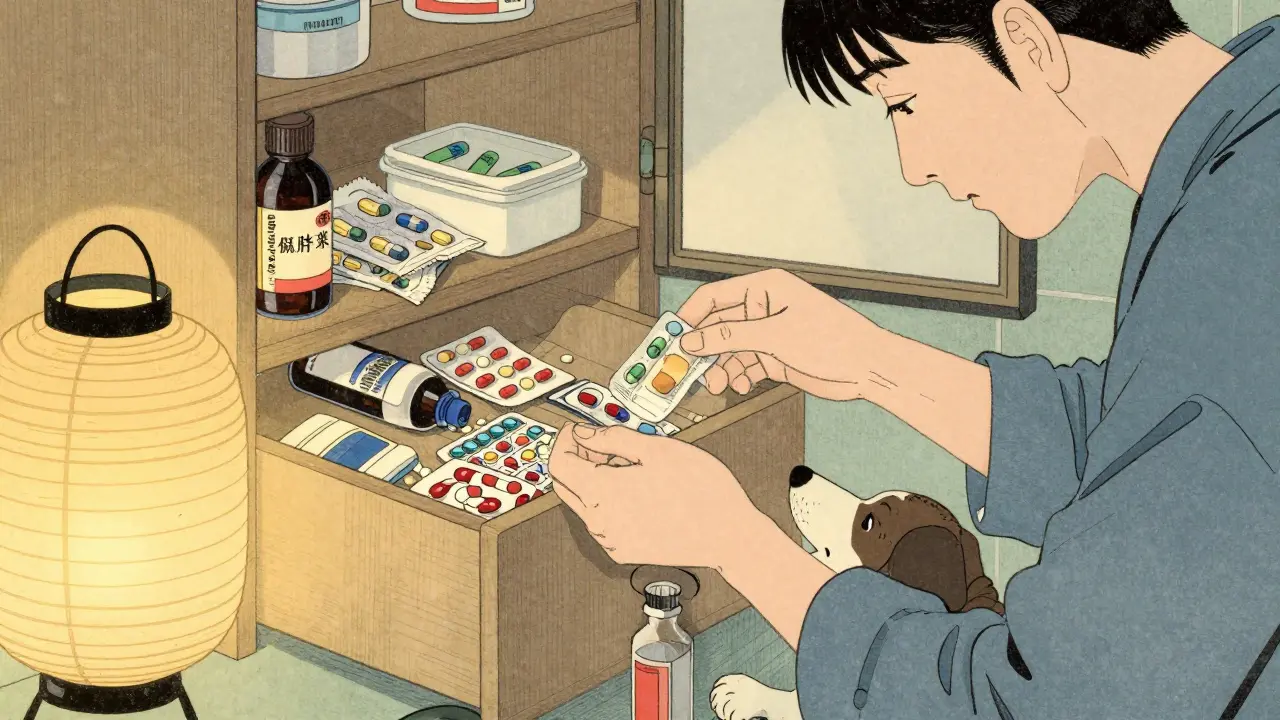
Every year, millions of unused pills, patches, and liquids sit in bathroom cabinets, kitchen drawers, and medicine chests across the U.S. Many people keep them just in case-maybe for a future headache, a recurring rash, or an old injury. But those leftover medications aren’t harmless. They’re a risk. They can be stolen, misused, or accidentally swallowed by kids or pets. Worse, if flushed or tossed in the trash, they end up in rivers, lakes, and drinking water. That’s why take-back events exist: to safely remove unwanted medications from homes and destroy them properly.
Why Proper Preparation Matters
You might think, "I’ll just throw my old pills in the trash." But that’s not safe. Trash collectors, curious kids, or even animals can get into it. Flushing? That’s worse. The U.S. Geological Survey found pharmaceuticals in 80% of U.S. streams. That’s not a myth-it’s science. The DEA and FDA don’t want you to do either. Instead, they want you to bring your unused meds to a take-back event or permanent collection site. The real problem? Most people don’t know how to prepare their meds correctly. A 2023 Johns Hopkins study found that 43% of people were unsure what to do. And because of that confusion, nearly 3 out of 10 people just gave up and kept their old meds at home. That’s dangerous. Here’s the good news: preparing your meds for take-back is simple. You don’t need special tools. You don’t need to buy anything. You just need to follow a few clear steps.Step 1: Gather Everything You Want to Dispose
Start by checking every cabinet, drawer, and bag where you store medicine. Don’t forget the car, the nightstand, or the gym bag. Look for:- Expired prescription pills or liquids
- Old over-the-counter drugs (like ibuprofen or allergy pills)
- Patches (like fentanyl or nicotine patches)
- Vitamins and supplements
- Pet medications
- Asthma inhalers or other aerosols
- Hydrogen peroxide
- Iodine-based medicines (like Betadine)
- Thermometers (especially mercury ones)
- Illicit drugs
- Needles or sharps (these need special disposal)
Step 2: Remove Your Personal Information
This is the most important step-and the one most people get wrong. You must remove or cover your name, address, prescription number, and any other identifying info on the bottle or label. Why? Because if someone finds your meds in the trash or at a drop-off site, they could use that info to get more pills illegally. Use a permanent marker. Black Sharpie works great. Scribble over the label until the text is unreadable. If the label is peeling off, that’s fine-just make sure the info is gone. Don’t just peel the label off. Some sites won’t accept bottles with missing labels because they can’t verify the contents. If you’re using a ziplock bag instead of the original bottle, write the medication name on the bag with the marker. Don’t just say "pills." Write "Oxycodone 10mg" or "Lisinopril 20mg." Staff need to know what they’re handling.Step 3: Keep Medications in Their Original Containers
Most collection sites prefer-and often require-that you keep pills and liquids in their original pharmacy bottles. Why? Because the label tells staff what the drug is, its strength, and when it was dispensed. That helps them sort and destroy it safely. According to DEA data, 92% of the 16,500+ authorized sites in the U.S. require original containers. That means if you’ve transferred your pills to a pill organizer or a random jar, you’ll likely be turned away. But there’s an exception. If you don’t have the original bottle anymore, you can use a small, sealable plastic container-a pill bottle from another medication, a clean empty spice jar, or even a ziplock bag. Just make sure it’s sealed tight. Liquid meds must be in a container that won’t leak. A ziplock bag with two twists and a rubber band works fine.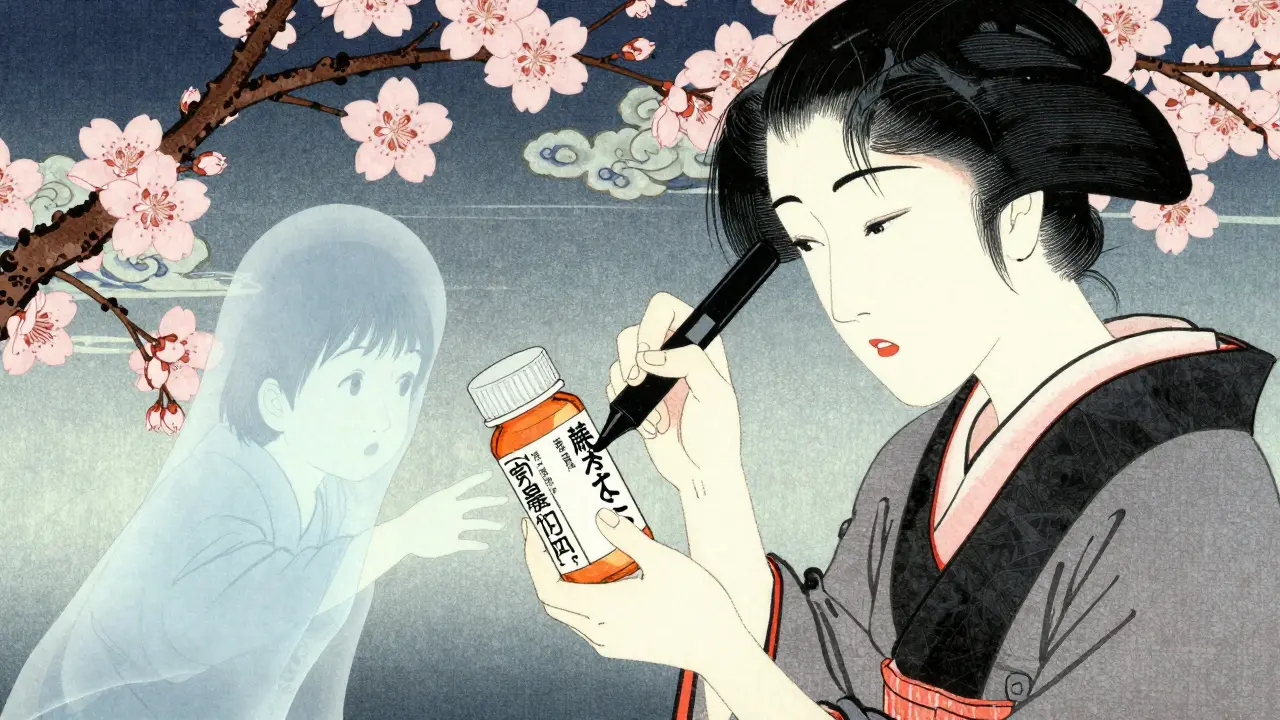
Step 4: Don’t Mix Medications
Don’t dump all your pills into one bag. Keep each medication separate. Even if they’re all in ziplock bags, don’t toss them all together. Why? Because staff need to identify each drug for proper destruction. Mixing can cause delays, confusion, or even rejection. One Reddit user shared their experience: "I brought a bag with 12 different meds mixed together. The pharmacist said no. I had to go home and separate them. Took me 20 minutes." It’s easier to do it right the first time. Keep each drug in its own container or labeled bag. If you’re using ziplocks, write the name on each one. Simple.Step 5: Handle Special Cases Correctly
Some medications need extra care:- Transdermal patches (like fentanyl or nicotine): Fold them in half so the sticky side sticks to itself. This prevents accidental skin contact. Every collection site requires this.
- Insulin pens: These are accepted at most hospital and VA sites, but only 32% of retail pharmacies take them. Call ahead if you’re unsure.
- Liquids: Keep them in the original bottle. If it’s leaking, put the bottle in a sealed plastic bag. Don’t pour them out.
- Empty bottles: You can recycle them after removing the label. But only if the label is fully gone. If you can still read your name, leave it out of the recycling bin.
Where to Find a Take-Back Site
You don’t have to wait for a special event. There are over 16,500 permanent collection sites across the U.S. Most are at pharmacies like Walgreens, CVS, and Walmart. Some are at police stations, hospitals, or VA clinics. Use the DEA’s online locator tool-it’s free and updated in real time. Just enter your zip code. In most areas, you’re within five miles of a site. In Victoria, BC, for example, you can drop off meds at any participating pharmacy or the local public health office. Walgreens kiosks are the easiest: just walk in, hand over your meds, and go. No questions asked. They don’t require original bottles, as long as your name is covered. Other sites might be stricter. Always check ahead if you’re unsure.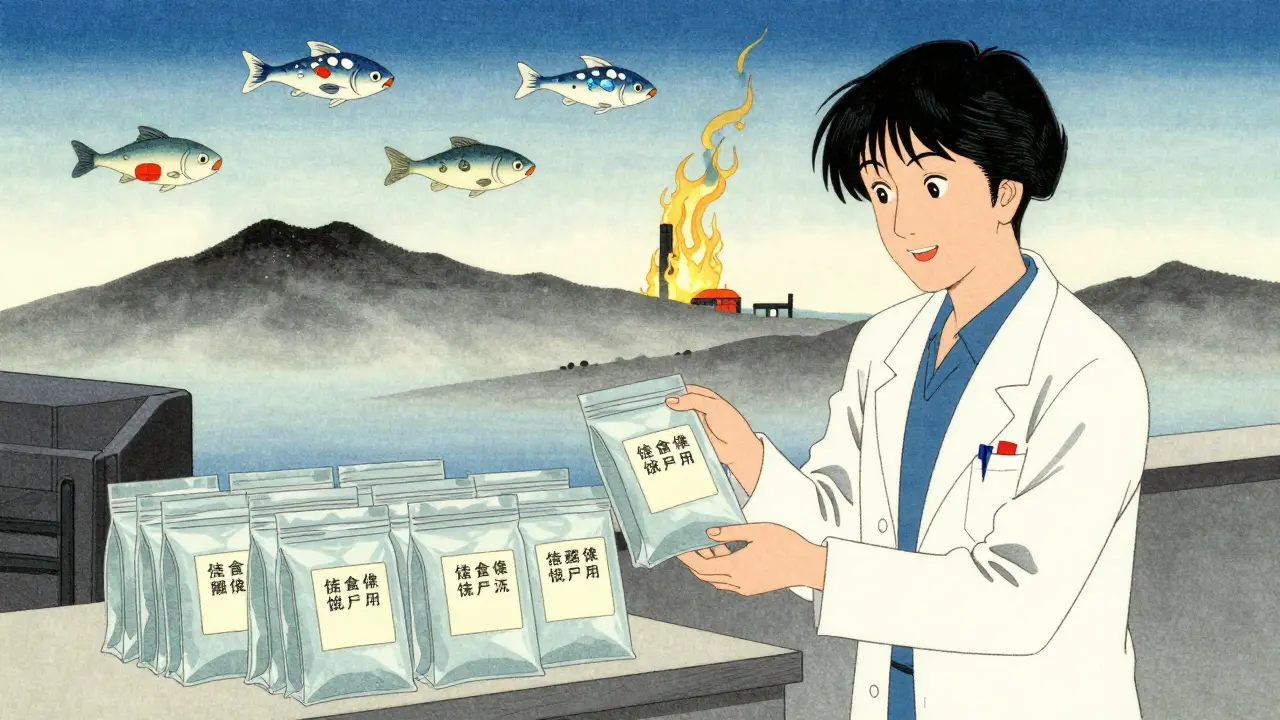
What Happens After You Drop Them Off?
Once you hand over your meds, they’re not going to a landfill. They’re not being recycled. They’re being incinerated at high temperatures-over 1,000°C-in EPA-approved facilities. This destroys the chemicals completely. No toxins. No runoff. No pollution. In 2024 alone, one company, Stericycle, safely destroyed nearly 30,000 tons of pharmaceutical waste. That’s the equivalent of 1,500 garbage trucks full of old meds. This isn’t just about safety. It’s about protecting the environment. The EPA estimates that if half of all unused meds were properly disposed of, we could keep 6.4 million pounds of drugs out of waterways every year.Common Mistakes (And How to Avoid Them)
Here’s what goes wrong-and how to fix it:- Mistake: Only partially covering your name. Solution: Scribble hard. If you can read it under a flashlight, do it again.
- Mistake: Bringing aerosols or inhalers. Solution: Call the site first. Some have special drop-off for these.
- Mistake: Mixing pills from different prescriptions. Solution: Keep each one separate.
- Mistake: Assuming all sites have the same rules. Solution: When in doubt, call ahead. Rural sites often have stricter rules.
Why This Matters More Than You Think
In 2022, 18.4 million Americans misused prescription drugs. Most got them from family or friends-right out of a medicine cabinet. That’s why your small action matters. When you take your old meds to a drop-off site, you’re not just cleaning your house. You’re preventing addiction. You’re saving lives. And it’s not just about people. Fish, frogs, and birds are affected by drugs in the water. Studies show hormones from birth control pills are changing fish reproduction. Antibiotics in streams are helping bacteria become resistant. Your meds don’t just disappear. They travel. You’re not just disposing of pills. You’re protecting your community.Final Tip: Make It a Habit
Don’t wait for a take-back event. Don’t wait until your cabinet is overflowing. Every time you finish a prescription, ask: "Do I need this?" If not, set it aside. Put it in a box labeled "To Drop Off." When the box is full, go to a site. It takes five minutes. And it’s one of the safest, most responsible things you can do for your family and the planet.Can I throw unused medications in the trash?
No. Throwing medications in the trash risks accidental ingestion by children or pets, and can lead to environmental contamination. The safest option is to bring them to a take-back site. If no site is available, mix pills with an unappealing substance like coffee grounds or cat litter, seal them in a plastic bag, and throw them in the trash-but this is a last resort.
Can I flush medications down the toilet?
Only if the label or FDA flush list specifically says to. Most medications should never be flushed. The U.S. Geological Survey found pharmaceuticals in 80% of U.S. streams. Flushing contributes to water pollution and harms aquatic life. Always use a take-back site instead.
Do I need the original bottle to drop off meds?
Most sites prefer original containers because they help identify the medication. But if you don’t have them, a sealed ziplock bag or small plastic container is acceptable-just make sure you’ve removed your personal info and labeled the contents clearly.
Can I drop off pet medications?
Yes. Pet medications-including pills, liquids, and patches-are accepted at nearly all authorized take-back sites. Treat them the same way you would your own: remove personal info, keep in original container if possible, and don’t mix with human meds.
Are there any medications that can’t be taken back?
Yes. Aerosols (like asthma inhalers), hydrogen peroxide, iodine-based products, thermometers, and illicit drugs are not accepted. Needles and sharps require special disposal-check with your local pharmacy or health department for a sharps drop-off program.
What if I live in a rural area with no nearby drop-off site?
The DEA’s online locator shows 71% of Americans live within five miles of a site. If you’re farther away, mail-back programs are available in some states. You can also contact your local pharmacy or health department-they may have a collection box or host occasional events. Don’t wait-call ahead. Many rural clinics are happy to help.
Preparing your unused medications for take-back isn’t complicated. It’s not expensive. And it doesn’t take much time. But it makes a real difference. Every pill you drop off is one less chance for someone to misuse it. One less chemical polluting our water. One more step toward a safer, cleaner community.
Jane Wei
December 17, 2025 AT 09:46Been doing this for years. Just toss the empty bottles in recycling after scribbling over the label with a Sharpie. Easy. No drama.
Kent Peterson
December 17, 2025 AT 18:56So now the government wants us to hand over our meds like we’re surrendering weapons? Next they’ll be auditing our vitamin cabinets. This is control disguised as ‘safety.’ And don’t even get me started on the ‘incineration’-that’s just corporate waste contractors making bank while we pay for it.
Also, why do I need to keep pills in their original bottles? I’m not a criminal. I’m a responsible adult. The DEA doesn’t own my medicine cabinet.
And who says ‘mixing meds’ is dangerous? I’ve got a pill organizer with 12 different drugs in it-every morning, I take them together. No one’s dying. No one’s getting high. But now I’m supposed to separate them like they’re radioactive?
This whole thing feels like performative compliance. Like we’re being trained to obey without thinking. And the environmental angle? Please. The real pollution is from Big Pharma’s factories, not some old ibuprofen bottle.
Also, why do they care if I write ‘Lisinopril 20mg’ on a ziplock? Do they think someone’s gonna steal my blood pressure meds and sell them on the street? That’s not a thing. That’s fearmongering wrapped in a brochure.
I’m not going to a Walgreens kiosk. I’m not filling out forms. I’m not labeling my painkillers like they’re groceries. I’ll keep them. If my kid finds them? Fine. They’ll learn a lesson. That’s parenting.
And don’t tell me about fish. I live in Ohio. There’s no fish in my sink. The water tastes like chlorine and rust. The real problem? The pipes. Not my pills.
They want me to ‘make it a habit’? Fine. My habit is ignoring guilt-trip infographics from people who’ve never had to choose between medicine and rent.
Also, ‘16,500 sites’? Cool. Where’s the one near me? Rural Kentucky. No pharmacy. No police station. Just a gas station with a sign that says ‘No Trespassing.’
So yeah. I’ll keep my pills. And if you’re worried about your neighbor’s leftover Xanax? Maybe worry less about the bottle-and more about the person who’s actually using it.
Victoria Rogers
December 19, 2025 AT 07:47ok so i tried this last year and the pharmacy at cvs said my bottle was missing the label so they threw it out. i had scribbled it out but apparently that’s not enough? now i just leave everything in a shoebox under my bed. who cares? no one’s gonna steal my 2017 allergy pills.
Nishant Desae
December 19, 2025 AT 20:03I’ve been helping my elderly neighbor with this for the past year, and honestly, it’s been one of the most meaningful things I’ve done. She used to keep every pill she ever got-even the ones from 1998. One day she said, ‘I don’t want to die from something I didn’t even know I had.’ That hit me. We went through her cabinet together. Found five different kinds of painkillers, three expired insulin pens, and a jar of fish antibiotics. We labeled everything, folded the patches, and took it all to the VA clinic. They thanked us. She cried. I cried. It’s not about rules. It’s about care. And it’s so simple. Just take five minutes. One bottle at a time. You’re not just cleaning up your house-you’re protecting someone’s future. Maybe even your own.
Meghan O'Shaughnessy
December 20, 2025 AT 13:47As someone who grew up in a household where medicine was always kept in a locked box, I never thought about how this affects others. But after seeing how my cousin’s toddler got into her dad’s old pain meds-thank god he was fine-I realized how fragile safety really is. This guide? It’s not about bureaucracy. It’s about love. Just a little bit of effort to keep people safe. That’s worth it.
Kaylee Esdale
December 21, 2025 AT 15:47Just throw them in coffee grounds. Done. No labels. No fuss. No one’s gonna dig through your trash. And if they do? They’ll regret it.
Philippa Skiadopoulou
December 23, 2025 AT 10:05Original containers are required for traceability and regulatory compliance. This is standard practice across all EU and US authorized collection points. Failure to comply may result in rejection. Please refer to DEA guidelines, Section 1300.21(b).
Pawan Chaudhary
December 24, 2025 AT 01:45My mom in India used to save every pill-even the ones from 20 years ago. She said, ‘One day, maybe I’ll need it.’ I told her, ‘Mom, if you need it again, you’ll get a new one. This one’s not magic.’ She laughed. Then we took them to the local clinic. They gave us a little sticker: ‘Good Citizen.’ I framed it. Small thing. Big heart.
Jonathan Morris
December 25, 2025 AT 11:31Let me guess-this is all part of the ‘Great Pharma Reset.’ They want your meds so they can track who’s taking what. Then they’ll link it to your insurance, your credit score, your voting record. Next thing you know, you’re flagged for ‘medication overuse’ and your prescriptions get denied. This isn’t safety. It’s surveillance. And the ‘incineration’? That’s just cover for destroying evidence.
Who benefits? The companies that sell you new pills. The government that controls access. The contractors who burn the old ones. Not you. Not your family. Not your pets. They’re not protecting you. They’re controlling you.
And don’t tell me about ‘fish.’ That’s a distraction. The real poison? The water they pump into your town from the factory three miles away. Not your leftover Tylenol.
I’m not turning in my meds. I’m keeping them. And if they come for my cabinet? I’ll be ready.
BETH VON KAUFFMANN
December 26, 2025 AT 15:38There’s a fundamental flaw in this entire paradigm. The assumption that ‘unused medication’ equals ‘hazardous waste’ is a regulatory construct, not a pharmacological one. Many drugs remain stable for years beyond expiration-especially in dry, cool environments. The FDA’s expiration dates are largely liability-driven, not efficacy-based. The EPA’s water contamination claims are statistically insignificant when normalized against agricultural runoff and industrial discharge. The real issue? Poor public health infrastructure. Not individual pill bottles. This is virtue signaling dressed as public policy. And the ‘one-size-fits-all’ approach ignores the variability of pharmacokinetics, storage conditions, and therapeutic necessity. It’s not ‘safe disposal.’ It’s bureaucratic overreach masquerading as environmental stewardship.
Martin Spedding
December 27, 2025 AT 17:46my ex left her oxy in the bathroom. i threw it out. 3 days later she screamed at me for ‘murdering her pain.’ i didn’t even know she was still taking it. now i just leave everything. let the kids have fun.
Kent Peterson
December 28, 2025 AT 05:29And now someone’s gonna reply saying ‘but what about the environment?’ Let me tell you something: the real environmental disaster is the 300 million plastic pill bottles that get thrown away every year because of this ‘original container’ nonsense. Recycle the bottle. Scrub the label. Don’t let corporate waste haulers profit off your guilt. I’m not folding patches. I’m not labeling ziplocks. I’m not playing along with this performance. I’m keeping my meds-and I’m not sorry.