How to Prevent Look-Alike Packaging Confusion in the Pharmacy: A Practical Guide
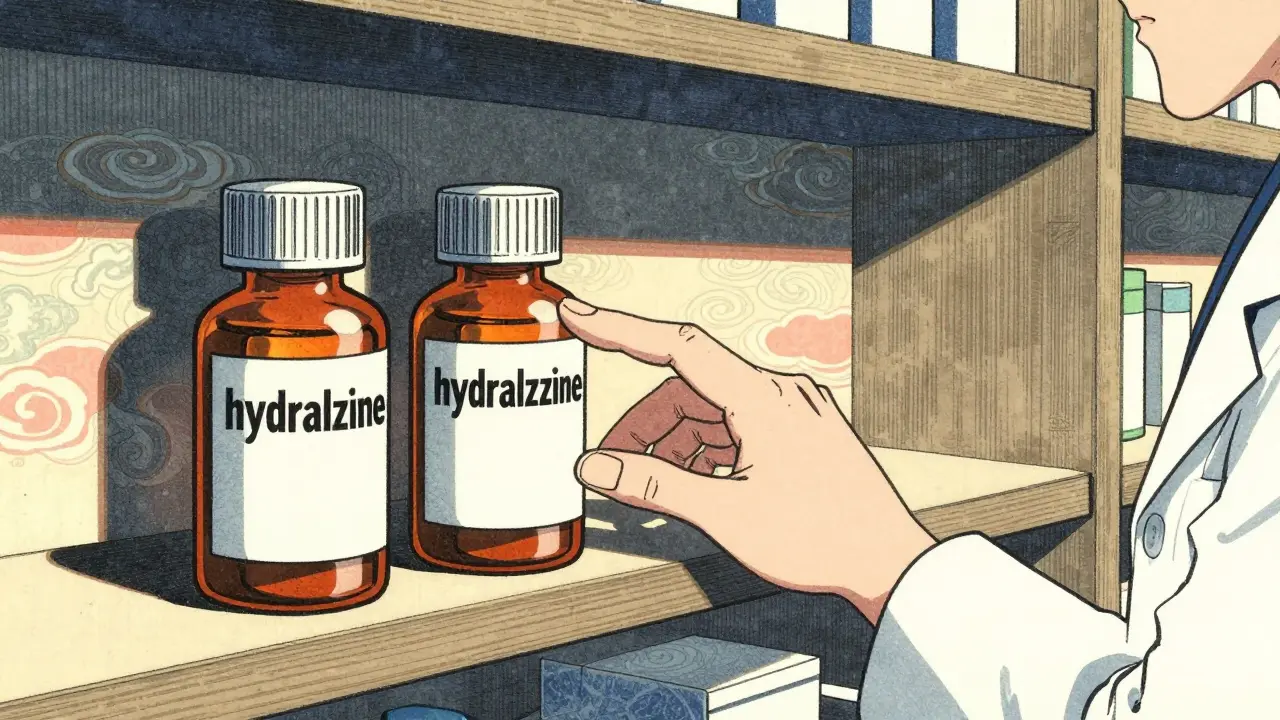
Imagine reaching for a bottle of hydralazine but accidentally grabbing hydroxyzine. The bottles look nearly identical. The names sound almost the same. This isn’t a hypothetical nightmare; it’s a documented reality that has plagued pharmacies since the 1970s. In fact, according to the Institute for Safe Medication Practices (ISMP), approximately 25% of all reported medication errors involve look-alike or sound-alike (LASA) drug name confusion. When you add in confusing packaging and poor labeling-accounting for another 20% of errors as estimated by the U.S. Food and Drug Administration (FDA)-the stakes become incredibly high. These mistakes aren't just administrative hiccups; they contribute to roughly 7,000 deaths annually in the U.S. alone.
If you work in a pharmacy, whether in a bustling hospital setting or a quiet community shop, preventing these mix-ups is your frontline defense. You can’t control how manufacturers design every box, but you can control what happens once those boxes hit your shelves. So, how do we stop these errors before they reach a patient? The answer lies in a layered approach combining physical organization, technology, and visual cues.
The Power of Physical Separation
It sounds simple, but moving similar-looking drugs apart is one of the most effective steps you can take. A 2020 study from the University of Arizona College of Pharmacy found that physically separating look-alike products in storage areas reduced error rates by 62%. Think about your current layout. Do you store insulin types next to each other because they’re all insulins? That convenience might be costing you safety.
Physical separation doesn’t require expensive renovations. It starts with a mindset shift. If two drugs have similar names or packaging, they should not share the same bin, shelf, or even aisle if possible. For example, keep spironolactone far away from spiramycin. Use shelf dividers to create distinct zones. In automated dispensing cabinets (ADCs), configure drawers so that LASA pairs are never adjacent. One hospital pharmacist reported that redesigning their ADC layout to separate insulin products cost $8,500 but eliminated wrong-insulin errors entirely over 18 months. That’s a return on investment measured in lives saved.
- Audit your bins: Walk through your stockroom with a fresh eye. Identify pairs that look suspiciously similar.
- Create buffer zones: Place unrelated items between LASA pairs to force a deliberate pause during selection.
- Use color coding: Apply colored tape or labels to bins containing high-risk drugs to make them visually distinct at a glance.
Tall Man Lettering: More Than Just Font Tricks
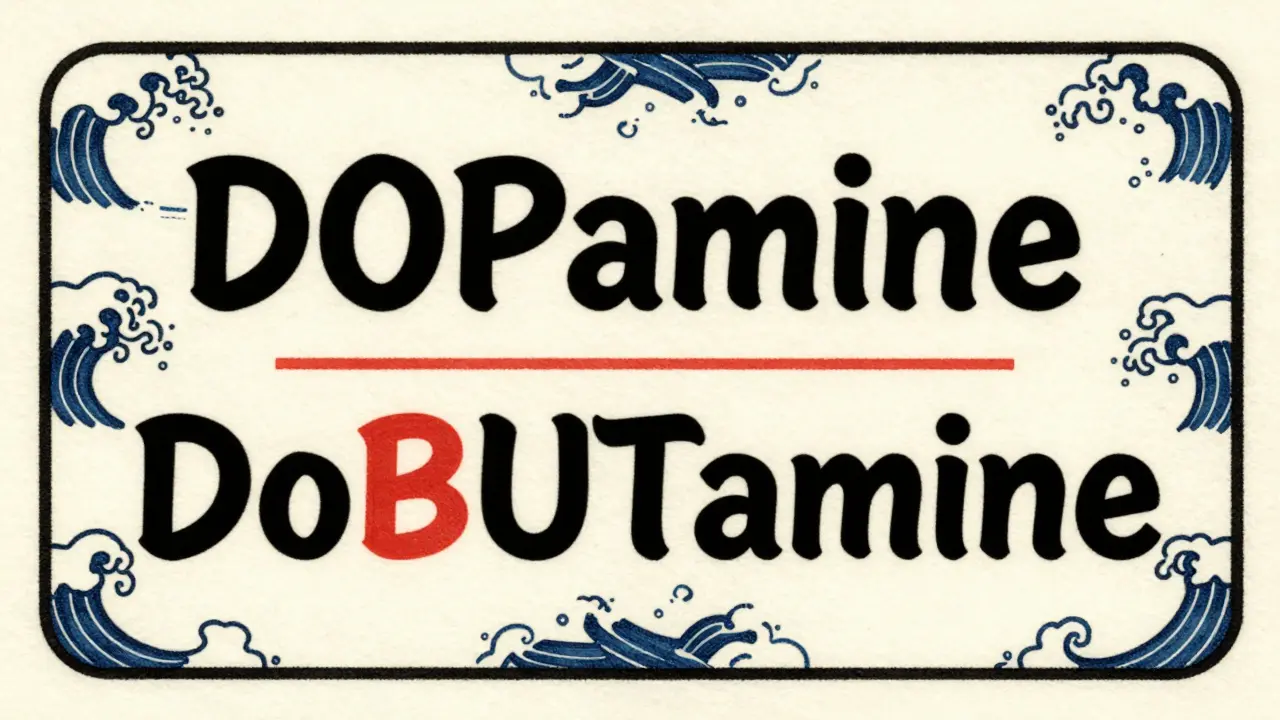
You’ve probably seen it: DOPamine versus DoBUTamine. This technique, known as Tall Man Lettering (TML), uses uppercase letters to emphasize the differences between similar drug names. It’s not just aesthetic; it’s cognitive science. By breaking up the visual pattern of the word, TML forces the brain to read the name more carefully rather than skimming it. ISMP’s 2019 analysis showed that implementing TML across 15 hospital systems reduced selection errors by 47%.
However, TML only works if it’s consistent. Imagine if every highway sign used a different font size for speed limits-it would cause chaos. Similarly, inconsistent TML formats across healthcare systems cause confusion. ISMP’s 2022 benchmarking survey revealed that only 68% of hospitals use standardized TML formats. If you implement TML, ensure it appears everywhere: on computer screens, printed labels, verbal orders, and prescription pads. Work with your EHR vendor to customize drug name displays. Epic and Cerner, major electronic health record providers, have rolled out enhanced TML support, achieving high adoption rates among their clients.
Don’t rely on TML alone. Dr. David Bates noted in a 2022 commentary that over-reliance on TML creates a false sense of security because it addresses name confusion but ignores packaging similarities, which account for 35% of LASA errors. Use TML as part of a broader strategy, not the entire solution.
Barcode Scanning: The Critical Safety Net
If physical separation and TML are your first lines of defense, barcode scanning is your final checkpoint. Technology doesn’t get tired, distracted, or rushed. A 2021 Agency for Healthcare Research and Quality (AHRQ) technical brief documented that properly implemented barcode scanning reduces medication administration errors by 86%. That’s a massive reduction.
The key here is "properly implemented." Scanning must happen at multiple points: when receiving inventory, when pulling from the shelf, and when administering to the patient. Bypassing scans is a common failure point. A 2021 study from the University of California, San Francisco, found failure rates of 5-12% when staff bypassed protocols. To combat this, integrate scanners with your electronic health records (EHR) so that a mismatch triggers an immediate alert. Don’t treat the scan as a formality; treat it as a mandatory verification step.
Cost is often cited as a barrier. ECRI’s 2022 cost analysis reported that full implementation can cost $15,000-$50,000 per pharmacy department. While significant, compare this to the cost of a single adverse drug event lawsuit or, more importantly, the moral weight of preventable harm. Many facilities find that the savings from prevented errors outweigh the initial investment. Mayo Clinic’s 2023 analysis showed their LASA prevention program generated $287,000 in annual savings against an implementation cost of $42,000.
Layered Strategies: Combining Forces for Maximum Impact
No single strategy is perfect. Physical separation fails in cramped spaces. TML doesn’t help if the packaging looks identical. Barcode scanning fails if staff bypass it. The solution? Combine them. A 2023 comparative study in the American Journal of Health-System Pharmacy found that combination strategies using physical separation plus TML plus barcode scanning achieved a 94% error reduction rate. This is significantly higher than any single-strategy implementation.
This layered approach aligns with what experts call "defense in depth." Each layer catches what the previous one misses. For instance, if a pharmacist misreads a label due to fatigue (bypassing the TML cue), the barcode scanner will flag the mismatch. If the scanner fails or is bypassed, the physical separation makes it harder to grab the wrong bottle without noticing.
| Strategy | Error Reduction | Implementation Cost | Key Challenge |
|---|---|---|---|
| Physical Separation | 30-62% | $200-$500 (shelf dividers) | Space constraints in existing layouts |
| Tall Man Lettering | 47% | $2,500-$7,000 (system config) | Inconsistent formatting across systems |
| Barcode Scanning | 86% | $15,000-$50,000 (full setup) | Staff bypassing protocols (5-12% failure) |
| Combined Approach | 94% | Variable (sum of parts) | Maintenance and ongoing training |
Addressing Human Factors and Staff Education
Technology and layout are tools, but people operate them. Human factors play a huge role in medication safety. Fatigue, distraction, and time pressure are enemies of accuracy. Implementing LASA prevention requires cultural change. Staff need to understand *why* these steps matter, not just *how* to follow them.
Education shouldn’t be a one-time seminar. It needs to be continuous. Incorporate LASA awareness into daily huddles. Share near-miss stories anonymously to highlight risks without blame. When new products arrive, conduct an additional review to identify unanticipated LASA concerns. Erin Fox, PharmD, emphasizes that this step is essential during drug shortages when substitutes may introduce new look-alike risks.
Also, empower your staff to speak up. If someone notices that two drugs look too similar, they should feel safe reporting it immediately. Create a non-punitive environment for reporting errors and near-misses. This data is gold for refining your safety protocols.
Future Trends: AI and Standardization
The landscape of medication safety is evolving. We’re seeing increased standardization efforts, such as the National Council for Prescription Drug Programs (NCPDP) developing a standardized LASA data format expected in late 2025. This will help harmonize how LASA information is shared across systems.
Artificial intelligence is also entering the picture. Pilot programs at institutions like Johns Hopkins Hospital are testing AI systems that can detect packaging similarities with 98% accuracy. Imagine a system that flags potential look-alike errors before dispensing, based on image recognition of the actual product. While this tech is still emerging, it represents the future of proactive safety.
For now, focus on the fundamentals. Physical separation, Tall Man Lettering, and barcode scanning are proven, accessible, and highly effective. By implementing these layers consistently, you build a robust shield against one of pharmacy’s oldest and most dangerous challenges.
What is the most effective single strategy for preventing look-alike packaging errors?
While no single strategy is perfect, barcode scanning offers the highest individual error reduction rate at 86%, according to AHRQ data. However, experts strongly recommend a combined approach using physical separation, Tall Man Lettering, and scanning together, which achieves a 94% error reduction rate.
How much does it cost to implement Tall Man Lettering?
Implementing Tall Man Lettering typically costs between $2,500 and $7,000 for system configuration, depending on your pharmacy management software and EHR integration needs. This is a one-time setup cost, though ongoing maintenance is required as new drugs enter the market.
Why is physical separation important if we have barcode scanners?
Physical separation acts as a primary preventive measure that reduces the likelihood of selecting the wrong drug in the first place. Barcode scanning is a safety net that catches errors after selection. Studies show that human factors like fatigue can lead to bypassing scans, making physical separation a critical backup layer.
What are some common examples of look-alike/sound-alike (LASA) drug pairs?
Common LASA pairs include hydralazine and hydroxyzine, spironolactone and spiramycin, DOPamine and DoBUTamine, and buprenorphine and butorphanol. The ISMP regularly updates its list of confused drug names based on reported errors.
How can small community pharmacies afford these safety measures?
Small pharmacies can start with low-cost measures like physical separation using shelf dividers ($200-$500) and applying Tall Man Lettering manually on labels. Prioritize high-risk LASA pairs identified by ISMP. As budgets allow, invest in basic barcode scanning technology, which is increasingly affordable and essential for long-term safety.