How to Reduce Pill Burden with Combination Medications
The Reality of Too Many Pills
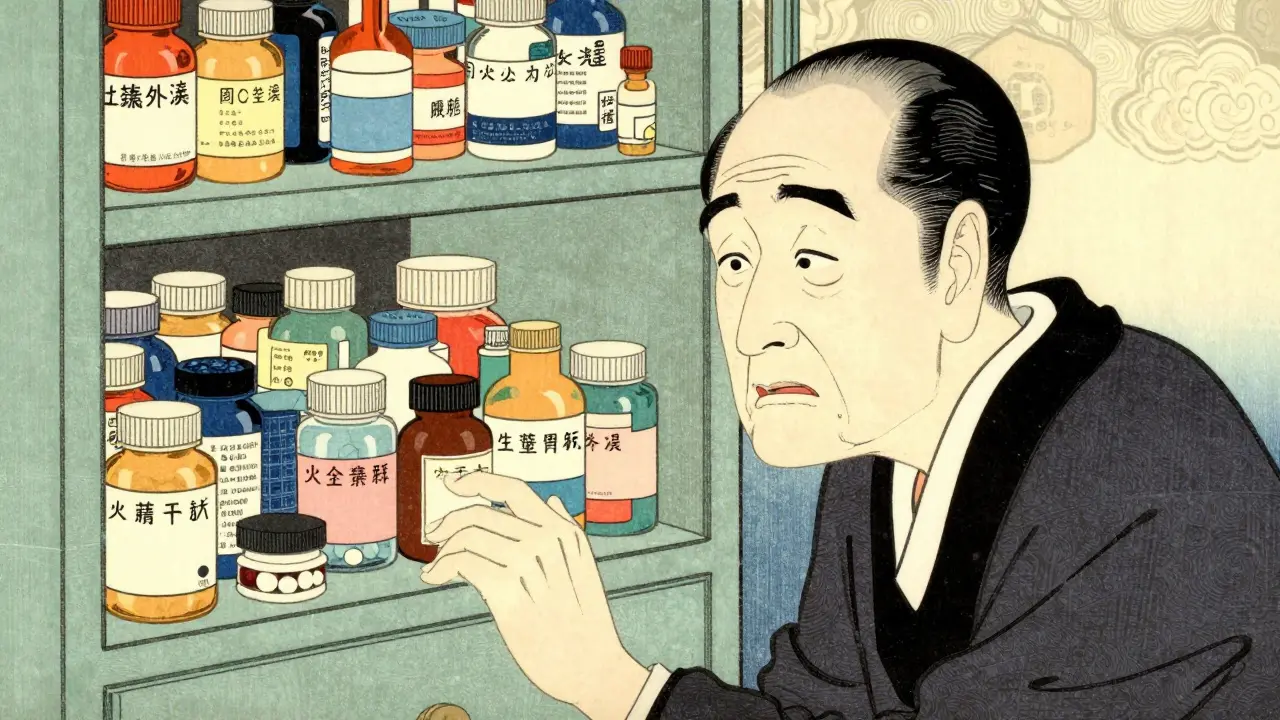
Imagine opening your medicine cabinet and seeing 10+ different bottles. Now picture taking 7-8 pills every morning. For older adults managing conditions like high blood pressure and diabetes, this isn't hypothetical-it's daily life. The average patient over 65 takes 4-6 prescription medications daily, according to CDC data from 2022. This "pill burden" isn't just inconvenient; missing doses or mixing up timing can lead to dangerous health outcomes.
Here's what you need to know: combination medications bundle multiple drugs into one pill. That single tablet might contain both a blood pressure med and cholesterol reducer, cutting your morning routine in half. Studies show patients using these combos miss 26% fewer doses compared to taking separate pills. Let's explore how this works in practice.
What Are Combination Medications?
Fixed-Dose Combinations (FDCs), also known as Single-Pill Combinations (SPCs), merge two or more active medications into one dosage form. Think of them as pharmaceutical "meal kits" where ingredients pre-prepared together save cooking time. Unlike buying separate components, these factory-assembled tablets guarantee exact dosages match clinical needs.
Dr. Mark Fendrick from University of Michigan explains the core idea: "You take two pills you take every day and make them into one." This isn't about replacing necessary treatments-it's streamlining delivery methods. Modern manufacturing ensures each component maintains its original effectiveness while fitting comfortably in one capsule.
Key Characteristics
- Dual Action: Treats multiple conditions simultaneously (e.g., blood pressure + heart protection)
- Regulatory Approval: Must pass FDA testing proving combined safety
- Bioequivalence: Delivers same effect as separate pills taken together
Real Impact on Adherence
A 2023 review analyzed 86 studies comparing single-pills versus loose-dose medications. Here's what stood out:
| Treatment Type | Adherence Improvement | Side Effects |
|---|---|---|
| Single-Pill Combinations | ↑26% | ↓Dose-dependent effects |
| Separate Pills | Baseline | Moderate frequency |
For hypertension alone, switching to combo therapy lowered systolic blood pressure by nearly 4mmHg more than individual pills. Why does this matter? Consistent BP control prevents strokes. One study found better control reduced hospitalizations by 30% among seniors.
When Not to Combine
While promising, combination meds aren't universal. Three scenarios where caution applies:
- Early Treatment Phases: If you're starting treatment, doctors need flexibility to adjust doses individually
- Kidney/Liver Issues: Organ function may require custom dosing schedules
- Allergies/Sensitivities: Can't discontinue just one ingredient in combo pills
The American Heart Association warns about "clinical inertia"-where doctors stick with combos even when only partial treatment remains needed. Always confirm with specialists whether monotherapy could work instead.
Implementation Strategy
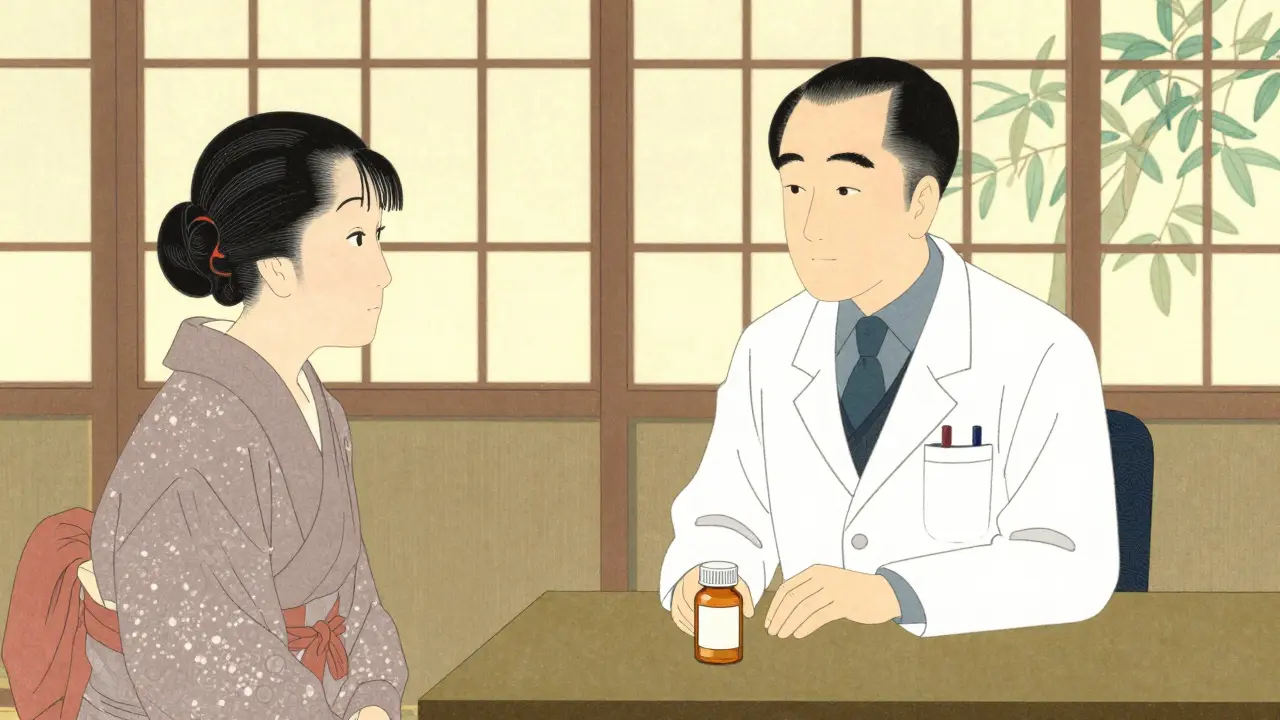
Ready to discuss combos with your doctor? Bring these questions:
- "Which of my current conditions could benefit from fixed-dose formulations?"
- "Are there cost differences between combo and separate prescriptions?"
- "Can we test adherence tracking before committing long-term?"
Pharmacists now routinely monitor refill patterns. One team-based care program reported patients felt 40% more comfortable asking questions after simplifying regimens. Consider requesting a medication review focusing specifically on reduction opportunities.
Future Trends
The next frontier involves "polypills" merging three+ treatments. Current trials target cardiovascular risk reduction across aging populations. While availability remains limited today, ongoing development aims to address complex comorbidities efficiently.
Do insurance plans typically cover combination medications?
Many formularies prioritize them due to proven cost-effectiveness. Coverage varies by plan-some offer lower co-pays for approved combinations versus multiple single prescriptions.
Can I split combination tablets if side effects occur?
No. Cutting FDC tablets disrupts precise dose ratios. Discuss alternative options with your prescriber instead of attempting physical division.
How do I know if I'm a candidate?
Ideal candidates have stable diagnoses requiring chronic management. Newer patients needing frequent titration adjustments generally shouldn't start with combos initially.
Richard Kubíček
March 30, 2026 AT 04:38Streamlining medication routines is genuinely key for longevity in the geriatric population. Simplifying the daily process helps everyone stay safe and avoid confusion during morning hours. We absolutely need more public education on these specific combo therapies available today. It feels like significant progress for overall healthcare accessibility too.
Monique Ball
March 31, 2026 AT 12:27Oh my goodness this is exactly what we need! 😍🙌 My mom takes so many pills and I worry constantly about her mixing up the times!! 😰 It’s scary when you see those bottles everywhere!! 💊💊 The stats about 26% better adherence are incredible!!! 📈👏 Everyone should do this already because safety matters most!!! 😡🛡️ You have to look at the FDA approvals carefully though!! 🧐 There are always risks involved in combining chemicals!!! ⚠️ But the heart protection angle is really solid!!! ❤️ My pharmacist once told me about polypills coming soon!! 🔮 It sounds futuristic now but totally normal later!! 🌟 We really need to talk to doctors before switching anything!! 👩⚕️ Insurance coverage changes everything too!!! 💰 Some plans love these combos!!! 🏥 Cost savings add up quickly over a year!!! 📉 Just think about saving money AND health!!! 😲 That double win is rare in medicine nowadays!!! 🎉 Don’t forget the kidney function checks though!!! 🚫 You can’t ignore organ issues just because one pill looks nice!!! ❌ Communication with your team is mandatory!!! 💬 They know your history best after all!!! 🗄️ So please read the side effects sections carefully!!! ⚠️ And never split the tablets yourselves!!! ✂️ Trust the professional guidance completely!!! 👌 Health is wealth and consistency wins!!! 💪 Let’s spread this info widely!!! 📢 Thanks for sharing this deep dive!!! 🙏
walker texaxsranger
April 1, 2026 AT 21:10they claim bioequivalence but the matrix degradation varies by gastric pH levels always ignored in standard trials corporate interests drive single dose approvals profit margins dictate patient outcomes ignore the renal clearance data in older cohorts synthetic binding agents alter absorption rates significantly nobody discusses this openly enough big pharma loves reducing complexity for their own logistics rather than actual patient wellness watch out for the patent cliffs looming here generic alternatives might be worse without proper monitoring stay vigilant about chemical interactions hidden in those blends
Eva Maes
April 2, 2026 AT 16:23The pharmaceutical narrative often glosses over the subtle metabolic cascades that occur when merging distinct compounds into a singular dosage unit. Synergistic toxicity remains a shadowy elephant in the room that few wish to dissect under a microscope. While adherence metrics climb like a rocket ship fueled by convenience the biological cost may manifest in delayed onset adverse events. It is a calculated gamble between compliance and comprehensive physiological integrity that demands scrutiny.
Philip Wynkoop
April 4, 2026 AT 10:16Love the idea of fewer bottles for sure 🙂
Sarah Klingenberg
April 5, 2026 AT 18:30Exactly!! Simplifying routines makes life way easier for caregivers 😊✨ Keeping things consistent is key for health 💪🌿 Great tip to talk to the doctor first 🙂
gina macabuhay
April 7, 2026 AT 01:30Most people would never bother checking if the combination actually works for their specific physiology. Doctors prescribe blindly hoping for the best while pushing these factory-assembled solutions. Ethical responsibility lies with the physician yet convenience sells better than nuance. You prioritize taking one pill over understanding what is actually entering your bloodstream. That laziness is dangerous and frankly insulting to medical science.
Shawn Sauve
April 7, 2026 AT 23:14It is understandable that patients want simpler routines but safety comes first 👍 Always verify ingredients with your specialist before making any changes 😉 Stay safe out there friends 🤝
Austin Oguche
April 9, 2026 AT 07:00Reducing burden is essential for quality of life especially among seniors. Insurance incentives should align more strongly with adherence strategies. Collaboration between pharmacy teams and prescribers drives better outcomes generally.
Monique Louise Hill
April 9, 2026 AT 16:23People need to stop taking shortcuts with their bodies 😤 Ignoring individual needs leads to terrible health outcomes eventually!! 🚨 Safety first always!! 😡🙅♀️