How to Use a Drug Interaction Checker Tool Effectively
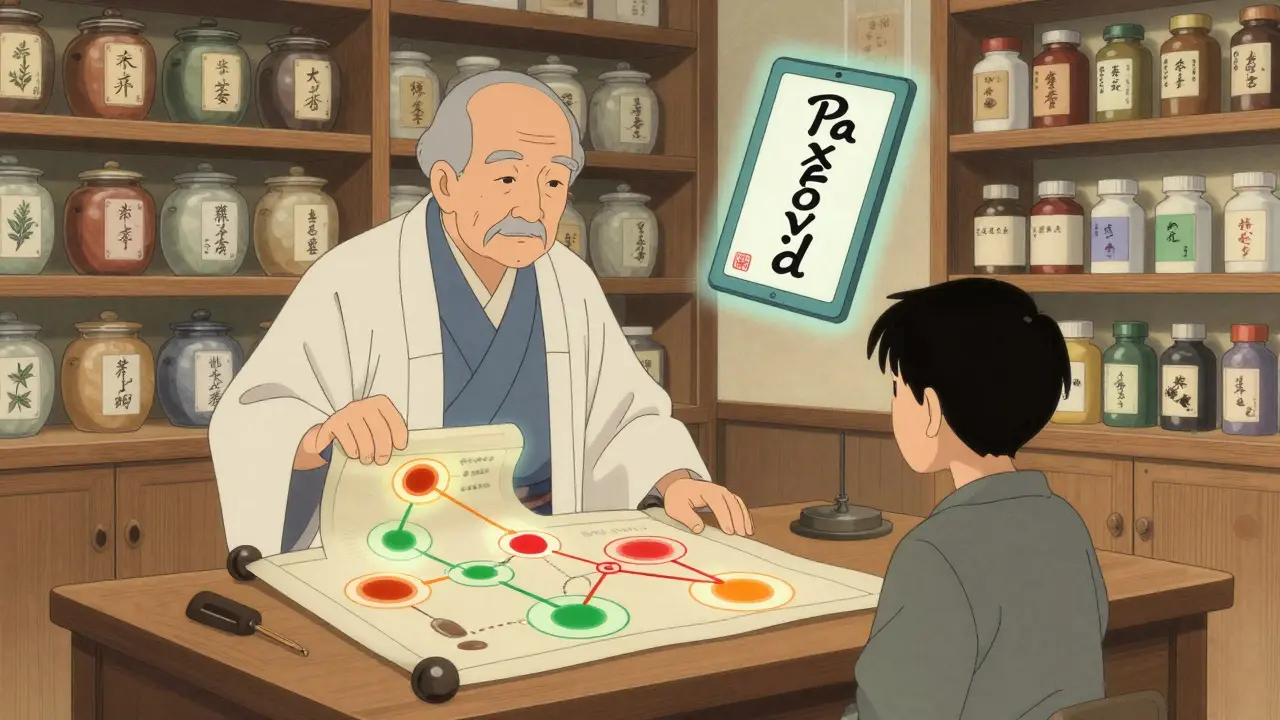
Why Drug Interaction Checkers Matter More Than Ever
Every year, tens of thousands of people end up in the hospital because of unexpected reactions between their medications. It’s not always a mistake by the doctor or pharmacist. Sometimes, it’s because someone took an over-the-counter painkiller with their blood thinner, or swallowed a herbal supplement without knowing it could cancel out their antidepressant. These aren’t rare cases. According to the World Health Organization, about 6.7% of all hospital admissions are caused by preventable drug interactions.
That’s where a drug interaction checker comes in. These tools aren’t magic-they won’t replace your pharmacist or doctor-but when used right, they can catch dangerous combinations before they cause harm. Whether you’re managing five prescriptions for yourself or helping an aging parent sort through their medicine cabinet, knowing how to use one properly can make all the difference.
What Exactly Is a Drug Interaction Checker?
A drug interaction checker is software that compares the list of medications, supplements, and sometimes even foods you’re taking against a database of known reactions. It doesn’t just look at prescription drugs. It checks OTC pain relievers like ibuprofen, sleep aids like melatonin, herbal products like St. John’s wort, and even grapefruit juice.
These tools analyze three types of risks:
- Drug-drug interactions: When two medications affect how the body processes each other-like how certain antibiotics can make birth control less effective.
- Drug-food/drink interactions: For example, alcohol with sedatives can cause dangerous drowsiness, and grapefruit can boost the levels of statins to toxic amounts.
- Drug-condition interactions: Some drugs are risky if you have certain health problems. Antacids, for instance, can be dangerous if you have kidney disease because your body can’t clear them properly.
Modern checkers use algorithms based on pharmacokinetics (how your body absorbs, breaks down, and gets rid of drugs) and pharmacodynamics (how drugs affect your body). The best ones are updated weekly, especially for newer drugs like Paxlovid, which has over 1,200 known interactions.
How Different Tools Compare-And Which One to Trust
Not all drug interaction checkers are created equal. A 2016 study by the National Institutes of Health tested five major systems used by professionals: Lexi-Interact, Micromedex, iFacts, Medscape, and Epocrates. The results showed big differences in accuracy.
Here’s what stood out:
| Tool | Sensitivity (Catches Real Risks) | Specificity (Avoids False Alerts) | Comprehensiveness |
|---|---|---|---|
| Lexi-Interact | 77% | 72% | 370/534 |
| Micromedex | 73% | 78% | 330/534 |
| iFacts | Not tested | Not tested | 134/134 (perfect) |
| Medscape | 49% | Not tested | Not tested |
| Epocrates | 60.3% | Not tested | Not tested |
For healthcare professionals, Lexi-Interact and Micromedex are the gold standard. Lexi-Interact is better at catching real risks-useful when you’re reviewing a complex med list. Micromedex is better at filtering out noise, which helps avoid alert fatigue in busy clinics.
For patients, free tools like Drugs.com and WebMD are accessible and surprisingly useful. Drugs.com has a 4.2/5 rating from over 1,200 users, mostly because it includes supplements many clinical tools ignore. But don’t be fooled by their simplicity. Studies show they’re only about 60% accurate. That’s better than nothing-but not good enough to rely on alone.
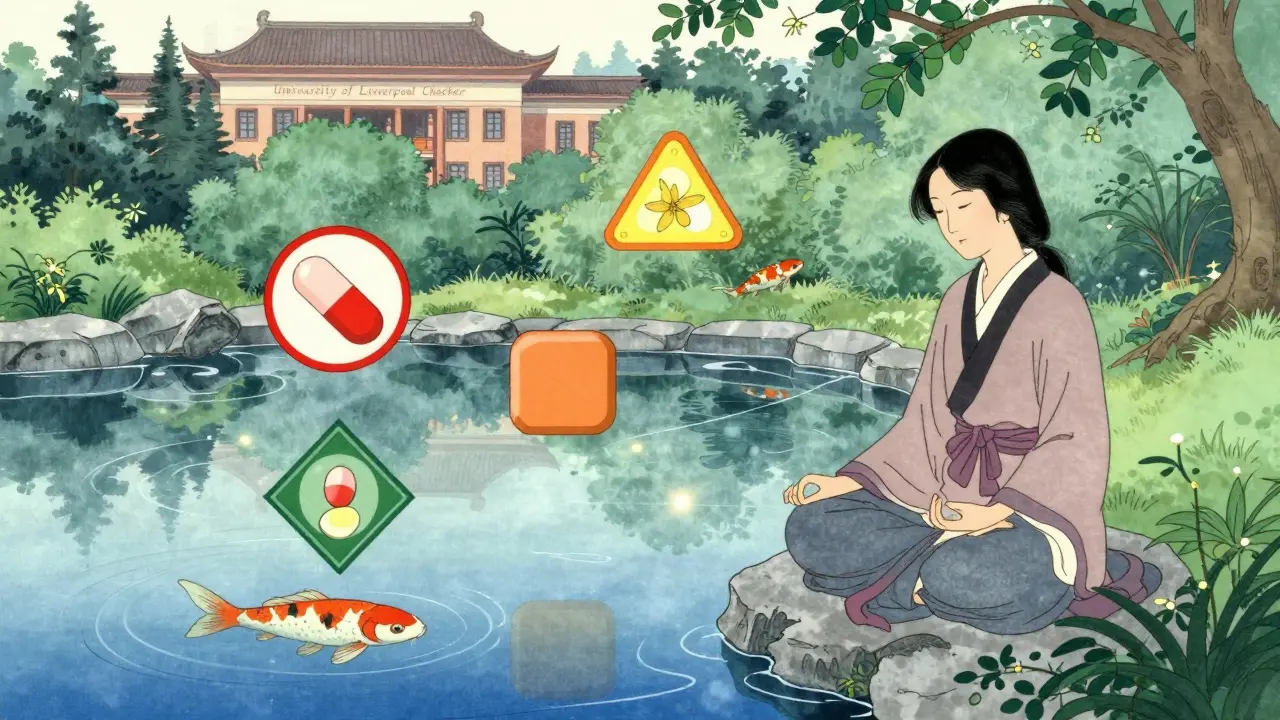
One standout is the University of Liverpool’s COVID-19 Drug Interactions Checker. Launched in 2020 and updated weekly, it’s the most detailed resource for Paxlovid (nirmatrelvir/ritonavir) interactions. It uses a color-coded system:
- Red circle: Don’t take together-high risk of serious harm.
- Orange square: Possible serious interaction-needs dose adjustment or close monitoring.
- Yellow triangle: Minor interaction-watch for symptoms.
- Green diamond: No known interaction.
Doctors at the BC Centre for Disease Control call it the gold standard for COVID-19 treatment. If you’re on Paxlovid, this is the tool to use.
What These Tools Can’t Do-And Why You Still Need a Pharmacist
Even the best drug interaction checker has limits. No tool catches every possible interaction. Studies show the maximum detection rate-even when combining multiple systems-is around 85-90%. That means up to 15% of dangerous combinations can slip through.
Here are the big blind spots:
- New drugs: If a medication was approved in the last year, it likely hasn’t been tested against every other drug on the market. Clinical trials don’t test every possible combination-it’s too expensive and complex.
- Supplements: Many herbal products aren’t well studied. Epocrates, for example, has poor coverage of botanicals. A 2023 survey found 65% of critical comments about WebMD’s tool cited incomplete supplement data.
- Drug-condition risks: Most checkers focus on drug-drug interactions. They won’t warn you that a blood pressure med could worsen your heart failure unless you manually enter your condition.
- False alarms: Up to 32% of high-severity alerts in hospitals turn out to be clinically irrelevant. If you ignore every alert, you’ll miss the real ones. If you panic over every one, you’ll stop trusting the tool altogether.
Dr. David Flockhart, a leading clinical pharmacologist, put it simply: “DDI checkers are essential but imperfect tools that must be paired with clinical judgment.”
The American Society of Health-System Pharmacists recommends using at least two independent checkers for high-risk patients. Why? Because one tool might miss what another catches. A 2022 study found a 15-20% discrepancy rate between major systems.
And here’s the bottom line: no checker replaces a pharmacist’s review. The FDA warned in 2022 that no tool is validated to replace professional review for patients on five or more medications. That’s not a suggestion-it’s a safety rule.
How to Use a Drug Interaction Checker Like a Pro
Using one wrong can give you false confidence. Using it right can save your life. Here’s how to do it properly:
- Make a complete list. Write down every pill, patch, liquid, vitamin, herb, and supplement you take-even if you only use it once a week. Don’t forget OTC meds like aspirin, antacids, or sleep aids. Many interactions come from these “harmless” items.
- Use the right tool. If you’re a patient, start with Drugs.com or WebMD. If you’re a healthcare provider, use Lexi-Interact or Micromedex. For Paxlovid or other COVID-19 treatments, use the University of Liverpool tool.
- Enter everything accurately. Use generic names when possible-“sertraline” instead of “Zoloft.” But if you’re unsure, enter the brand name too. Tools like Drugs.com accept both.
- Look for red and orange flags. Don’t just skim the results. Focus on interactions labeled “severe,” “contraindicated,” or “monitor closely.” These are the ones that matter.
- Don’t ignore the fine print. Some tools will suggest alternatives. For example, if you’re on Paxlovid and take a statin, the Liverpool tool might recommend switching to pravastatin, which has fewer interactions.
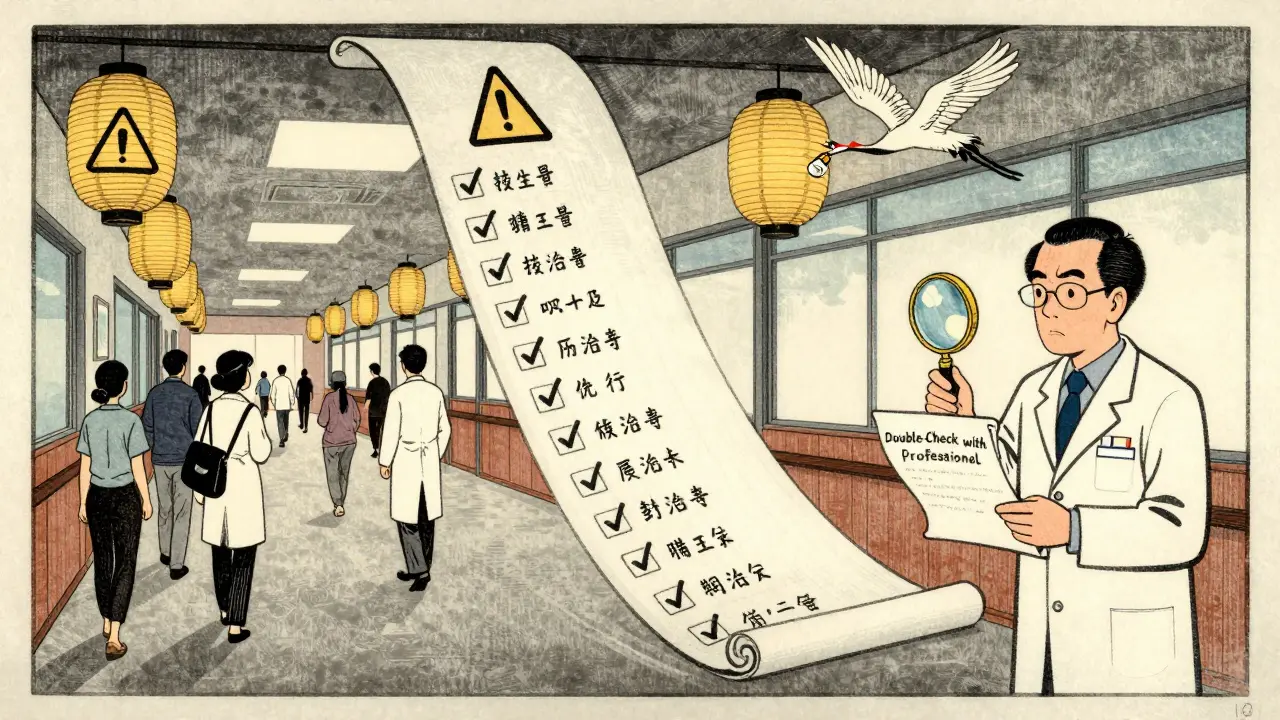
- Take the results to your pharmacist. Always. Even if the tool says “no interaction,” ask them to double-check. Pharmacists have access to databases that aren’t public and can spot subtle risks.
Most people need only 15-20 minutes to learn how to use a consumer tool. But if you’re a clinician, expect to spend 2-3 hours training to use Lexi-Interact or Micromedex effectively.
Real-World Mistakes and What to Learn From Them
A 2022 case in the Journal of Patient Safety tells a chilling story. A woman was taking sertraline (an SSRI) for depression and started taking linezolid (an antibiotic) for a stubborn infection. She didn’t tell her doctor about the antibiotic. The free online checker she used didn’t flag the interaction. Within days, she developed serotonin syndrome-her body was flooded with too much serotonin. She ended up in intensive care.
That interaction is well-documented. It’s not obscure. But the tool she used missed it. Why? Because it didn’t have up-to-date data, or she didn’t enter the antibiotic correctly, or the system just wasn’t designed for that level of detail.
Another common mistake: people think if the tool says “no interaction,” they’re safe. That’s not true. It only checks what’s in the database. If a new study comes out next week showing that turmeric interferes with blood thinners, your tool won’t know until it’s updated.
And then there’s the false sense of security from mobile apps. Epocrates is popular among nurses and students because it’s easy to use on the go. But 32% of its 1-star reviews on Google Play complain about poor mobile optimization. One wrong tap, one missed dropdown, and you’re not checking what you think you are.
What’s Next for Drug Interaction Tools?
The future is moving fast. In 2024, Epic Systems rolled out a new feature called “InteractionGuard” that doesn’t just check what drugs you’re taking-it looks at when you take them. If you take your blood pressure pill at 8 a.m. and your diuretic at 6 p.m., it can warn you about electrolyte imbalances that happen because of timing, not just chemistry.
Researchers are also using AI to predict interactions for new drugs before they’re even approved. The NIH’s DDI-AI project has already improved detection sensitivity by 18.3% by analyzing millions of past adverse event reports.
But here’s the catch: as tools get smarter, people get lazier. The danger isn’t the tool-it’s the belief that the tool is enough. As Dr. Adam Gaffney of Harvard warned in 2021, “Overreliance on DDI checkers without clinical context can lead to therapeutic inertia.” That means doctors might avoid prescribing a needed drug just because the tool flagged a low-risk interaction.
The real winners will be those who use these tools as assistants-not replacements. The goal isn’t to eliminate all alerts. It’s to reduce harm.
Final Checklist: Using a Drug Interaction Checker Right
- ✅ Always list every medication, supplement, and OTC product-even “just occasional” ones.
- ✅ Use a tool that includes supplements-many don’t.
- ✅ Use at least two tools if you’re on five or more medications.
- ✅ Focus on red and orange alerts, not yellow ones.
- ✅ Never trust a free tool to catch everything.
- ✅ Always confirm results with your pharmacist.
- ✅ Update your list every time your meds change-even a new vitamin.
Drug interaction checkers are powerful-but they’re only as good as the person using them. The best tool in the world won’t help if you skip steps, ignore warnings, or assume it’s foolproof. Use it smartly, and it could keep you out of the hospital.
Can I rely on free drug interaction checkers like WebMD or Drugs.com?
Free tools like WebMD and Drugs.com are helpful for quick checks, especially for supplements and common OTC drugs. But they’re only about 60% accurate compared to professional systems. They often miss interactions with newer medications and don’t include all herbal products. Never use them as your only source-always confirm with a pharmacist, especially if you’re on multiple prescriptions.
Do drug interaction checkers work for herbal supplements?
Some do, but many don’t. Tools like Drugs.com and Lexi-Interact have better supplement coverage than Epocrates or Medscape. Still, research on herbal interactions is limited, so even the best tools can’t guarantee safety. If you’re taking St. John’s wort, ginkgo, or garlic supplements, tell your pharmacist-they can cross-check with clinical data that’s not in public databases.
Why do I get so many alerts when I use Lexi-Interact?
Lexi-Interact is designed for high sensitivity-it catches almost every possible interaction, even minor ones. That means you’ll see more alerts, including many that aren’t clinically significant. About 45% of its alerts are dismissed by pharmacists as low-risk. Focus on red and orange flags, and don’t panic over yellow ones. Use it as a screening tool, not a final decision-maker.
Is the University of Liverpool’s tool only for COVID-19 drugs?
Yes, it’s specialized for COVID-19 treatments like Paxlovid (nirmatrelvir/ritonavir), remdesivir, and molnupiravir. It’s the most detailed resource available for these drugs, with weekly updates based on new evidence. But it won’t check interactions for your blood pressure pills or diabetes meds. Use it only when you’re on one of these specific treatments.
Can a drug interaction checker replace a pharmacist’s advice?
No. The FDA and major medical societies agree that no checker can replace a pharmacist’s review, especially for patients on five or more medications. Pharmacists have access to proprietary databases, understand your full medical history, and can judge whether an interaction is truly dangerous or just theoretical. Use the tool to prepare-then bring the results to your pharmacist for final guidance.
Aditya Gupta
January 31, 2026 AT 13:50Nidhi Rajpara
February 1, 2026 AT 19:01Chris & Kara Cutler
February 2, 2026 AT 21:43Donna Macaranas
February 4, 2026 AT 17:36Rachel Liew
February 6, 2026 AT 12:42Lisa Rodriguez
February 6, 2026 AT 21:54Bryan Coleman
February 8, 2026 AT 06:15Naresh L
February 9, 2026 AT 04:42