Medications Safe During Pregnancy: A Complete Patient List
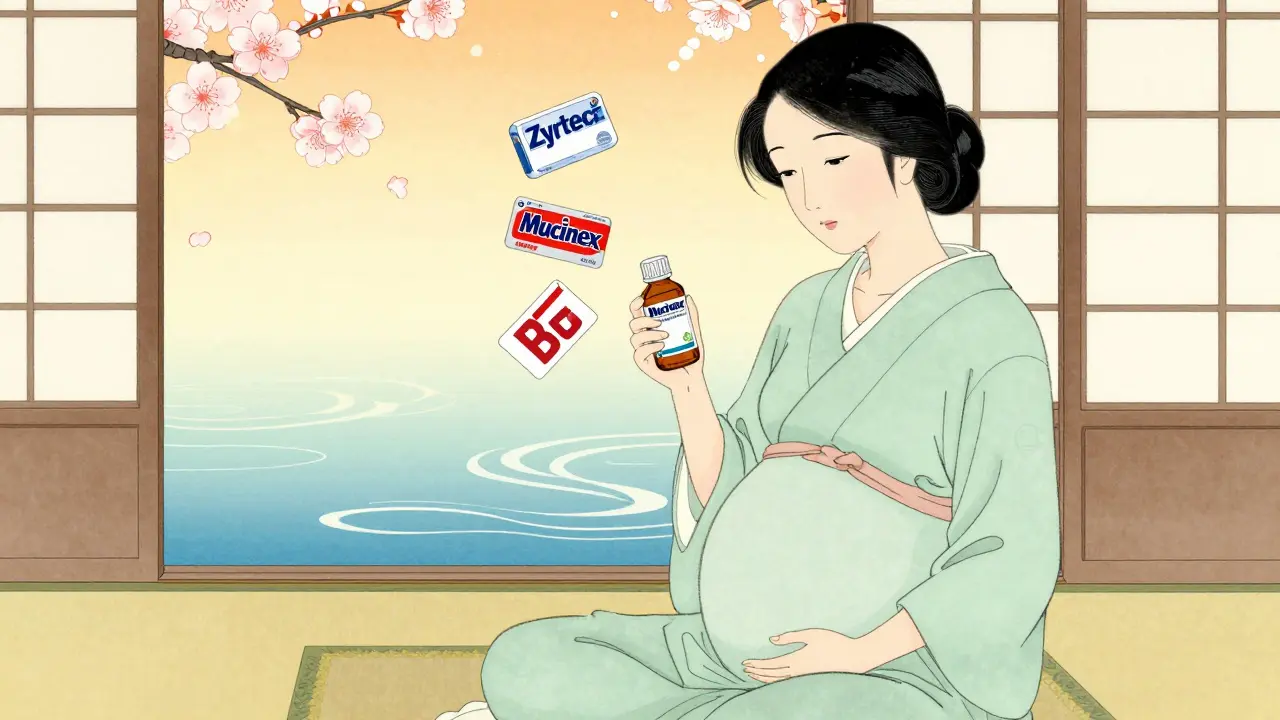
When you're pregnant, even a simple headache or stuffy nose can feel overwhelming. You don’t want to risk your baby’s health, but you also don’t want to suffer. The good news? Many common medications are safe during pregnancy - if you know which ones and how to use them correctly. The bad news? There’s a lot of conflicting advice out there. Some websites say one thing, your friend swears by another, and your pharmacist might say it’s off-limits. The truth is somewhere in between, and it’s based on real data - not rumors.
What Makes a Medication Safe During Pregnancy?
There’s no such thing as a 100% risk-free drug during pregnancy. But safety isn’t about zero risk - it’s about weighing the benefit against the known risks. The FDA stopped using the old A, B, C, D, X categories in 2015 because they were too simplistic. Now, drug labels include detailed summaries of what’s known from human studies, animal data, and clinical experience. This means you’re not just guessing. You’re making a decision based on evidence.For example, acetaminophen (Tylenol) is widely recommended for pain and fever. But even that has limits. Studies show that taking more than 3,000 mg per day for long periods might be linked to subtle developmental changes in children - though the evidence isn’t conclusive. That’s why experts say: use the lowest effective dose for the shortest time. It’s not about avoiding it entirely. It’s about using it wisely.
Safe Allergy Medications During Pregnancy
Allergies don’t take a break during pregnancy. Sneezing, itchy eyes, and runny noses are common. The good news? Most non-drowsy antihistamines are considered safe.- Cetirizine (Zyrtec) - 10 mg once daily. Recommended by nearly every major obstetric practice, including the University of Michigan and Cleveland Clinic. No increased risk of birth defects in over 10,000 tracked pregnancies.
- Loratadine (Claritin) - 10 mg once daily. Also well-studied. Avoid Claritin-D - it contains pseudoephedrine, which is riskier in early pregnancy.
- Fexofenadine (Allegra) - 180 mg once daily. A good option if the others don’t work. Stick to the non-drowsy version.
Benadryl (diphenhydramine) used to be the go-to, but newer guidance from ACOG in November 2023 advises limiting it. It can cause drowsiness and may affect fetal brain development with frequent use. Melatonin at 1-3 mg is now considered a safer alternative for sleep-related allergy issues.
Cold and Congestion Relief: What’s Okay and What’s Not
Cold season hits hard during pregnancy. But not all cold meds are created equal.- Guaifenesin (Mucinex) - Safe at standard doses. Just avoid multi-symptom formulas. They often hide decongestants or painkillers you shouldn’t take.
- Dextromethorphan (Robitussin DM) - Maximum 120 mg in 24 hours. Used for coughs. No clear link to birth defects, but don’t overdo it.
- Saline nasal spray - 100% safe. Use as often as needed. It’s just salt water. No chemicals. No risk.
Now, the big no: pseudoephedrine (Sudafed). It’s in many cold pills. Some providers say it’s okay after the first trimester. Others say skip it entirely. Why the conflict? Because it can reduce blood flow to the placenta and may raise blood pressure. If you have high blood pressure, avoid it completely. If you’re otherwise healthy, some OB-GYNs allow it after week 12 - but only if you get it from the pharmacy counter (as required by law in many states) and only for a few days. Don’t use it for more than three days straight.
And never use Afrin or other nasal decongestant sprays for more than three days. They cause rebound congestion - meaning your nose gets worse when you stop.
Pain Relief: The Acetaminophen Rule
Acetaminophen (Tylenol) is still the gold standard for pain and fever during pregnancy. But here’s the catch: do not exceed 3,000 mg per day. That’s six 500 mg tablets. Some brands like Tylenol PM also contain diphenhydramine - an antihistamine that can make you drowsy and may affect your baby if taken often. Stick to plain acetaminophen.Here’s what you must avoid:
- Ibuprofen (Advil, Motrin) - Not safe after 20 weeks. Can cause kidney problems in the baby and low amniotic fluid.
- Naproxen (Aleve) - Same risk. Avoid after 20 weeks.
- Aspirin - Never take unless prescribed for a specific condition like preeclampsia.
Even if you’re in your first trimester, don’t assume NSAIDs are safe. Some studies suggest a small increased risk of miscarriage with early use. Stick with acetaminophen unless your doctor says otherwise.

Heartburn and Constipation: Easy Fixes
Heartburn and constipation are almost universal during pregnancy. Luckily, both have safe, effective solutions.- Calcium carbonate (Tums) - Take as needed. It’s not just an antacid - it’s also a source of calcium, which you need more of during pregnancy. But don’t go overboard. More than 2,500 mg of calcium per day can cause constipation or kidney stones.
- Famotidine (Pepcid) - 20 mg twice daily max. Reduces stomach acid without crossing the placenta much. Safe and effective.
- Polyethylene glycol (Miralax) - 17 g daily. A gentle, non-stimulant laxative. Doesn’t get absorbed into your bloodstream. Works by pulling water into your bowels. Safe for long-term use.
Don’t use stimulant laxatives like senna or bisacodyl regularly. They can cause cramping and may trigger contractions.
Nausea and Morning Sickness: The Proven Combo
If you’re vomiting multiple times a day, you’re not alone. And you don’t have to suffer.The most effective, FDA-approved treatment is a combination of:
- Vitamin B6 (pyridoxine) - 25 mg, three times a day
- Doxylamine succinate (Unisom SleepTabs) - 25 mg, up to three times a day
This is exactly what’s in Diclegis, the prescription version. But you can get the same effect by buying the two ingredients separately - it’s much cheaper. Many women report going from 10+ vomits a day to just 1-2. One user on BabyCenter called it “life-changing.”
Don’t rely on ginger or peppermint alone if your nausea is severe. They help mildly, but this combo has real clinical backing. If you’re still struggling after a week, talk to your provider about Diclegis or other options.
What About Antidepressants and Other Prescriptions?
This is where things get complicated - and where fear often leads to dangerous choices.Many women stop their antidepressants when they get pregnant. That’s risky. Untreated depression can lead to poor nutrition, missed prenatal visits, and even preterm birth. The American College of Obstetricians and Gynecologists says: if you’re stable on an antidepressant, don’t stop unless your doctor advises it.
The best-studied and safest options include:
- Sertraline (Zoloft) - Most data supports its safety. Still, the FDA updated its warning in October 2023 about possible neonatal adaptation syndrome - jitteriness, feeding trouble - in newborns. It’s usually mild and short-lived.
- Fluoxetine (Prozac) - Also well-studied, but may stay in the system longer.
- Escitalopram (Lexapro) - Emerging data shows low risk.
Avoid paroxetine (Paxil) - it’s linked to a small increase in heart defects. Always work with your psychiatrist and OB-GYN to make changes. Never quit cold turkey.

What You Should Never Take
Some things are just not worth the risk - no matter how bad you feel.- Isotretinoin (Accutane) - Causes severe birth defects. Must be avoided completely.
- ACE inhibitors (Lisinopril, Enalapril) - Can cause kidney damage and low amniotic fluid in the fetus.
- Warfarin (Coumadin) - Can cause bleeding and skeletal deformities. Heparin is the safer alternative.
- Herbal supplements - Black cohosh, dong quai, goldenseal, and many others are not tested. Just because they’re “natural” doesn’t mean they’re safe.
- Recreational drugs, alcohol, and tobacco - No safe level exists.
Real-Life Challenges: Why People Struggle
Even with clear guidelines, many women still face barriers.A 2022 MotherToBaby survey found that 41% of pregnant people stopped taking necessary medications because they were scared. Some stopped antidepressants. Others skipped antibiotics for UTIs - leading to worse infections. One woman on Reddit said her pharmacist refused to sell her Sudafed without extra paperwork, leaving her with a sinus infection for days.
Another common mistake? Assuming “natural” means safe. Turmeric, chamomile tea, and prenatal gummies with added herbs? Many contain unregulated ingredients. One study found that 58% of OB-GYNs reported patients assuming herbal remedies were harmless - and that’s not true.
And dosage confusion is rampant. Tylenol PM has acetaminophen - but so does regular Tylenol. Taking both can push you over the 3,000 mg limit without realizing it.
How to Stay Safe: Your Action Plan
Here’s what to do next:- Make a list of every medication, supplement, or OTC product you’re taking - even vitamins.
- Check every item against trusted sources: University of Michigan, MotherToBaby, or ACOG guidelines.
- Ask your provider - not Google, not your friend, not the pharmacist alone. Your OB-GYN knows your history.
- Use the lowest dose for the shortest time possible.
- Never start a new medication without checking. Even “harmless” things like cough drops can contain hidden ingredients.
- Keep a symptom log - what you took, when, and how you felt. Helps your doctor spot patterns.
Final Thought: You’re Not Alone
Pregnancy is a time of big decisions - and medication use is one of the most stressful. But you don’t have to guess. The science exists. The guidelines are clear. The data is growing. And you’re not expected to know it all.The goal isn’t perfection. It’s balance. Take what you need to stay healthy. Avoid what’s risky. And always talk to your care team before making a change. Your body is doing something incredible. Let the right tools help - not hurt - that process.
Is Tylenol safe during pregnancy?
Yes, acetaminophen (Tylenol) is the preferred pain reliever during pregnancy. Use no more than 3,000 mg per day. Avoid Tylenol PM or combination products that include diphenhydramine unless approved by your provider.
Can I take Zyrtec while pregnant?
Yes, cetirizine (Zyrtec) is considered safe at the standard 10 mg daily dose. It’s one of the most recommended antihistamines for pregnancy and has been studied in over 10,000 pregnancies with no increased risk of birth defects.
Is Sudafed safe during pregnancy?
Pseudoephedrine (Sudafed) is not recommended in the first trimester and should be used cautiously after that. It can raise blood pressure and reduce placental blood flow. Some providers allow it after week 12, but only for short-term use and only if you don’t have high blood pressure. Always check with your doctor first.
What’s the safest way to treat morning sickness?
The most effective treatment is vitamin B6 (25 mg three times daily) plus doxylamine succinate (Unisom SleepTabs, 25 mg up to three times daily). This combination is FDA-approved in the drug Diclegis and has helped thousands of women reduce vomiting from 10+ times a day to just a few.
Can I take ibuprofen during pregnancy?
No, avoid ibuprofen (Advil, Motrin) and naproxen (Aleve) after 20 weeks. They can cause kidney problems in the baby and reduce amniotic fluid. Even before 20 weeks, it’s best to stick with acetaminophen unless your doctor says otherwise.
Are herbal supplements safe during pregnancy?
No. Many herbal supplements - including black cohosh, dong quai, goldenseal, and even some “natural” prenatal gummies - have not been tested for safety in pregnancy. Some can cause contractions or interfere with fetal development. Always check with your provider before taking anything labeled “natural.”
What should I do if I took a medication before knowing I was pregnant?
Don’t panic. Most medications taken in the first two weeks after conception either have no effect or cause an all-or-nothing outcome - meaning the pregnancy either continues normally or ends in miscarriage. Call your provider or MotherToBaby (1-866-626-6847) to discuss what you took. They can assess the risk based on timing and dosage.
Is it safe to take prenatal vitamins with extra ingredients?
Be cautious. Many prenatal vitamins now include added herbs, probiotics, or omega-3s. While some are safe, others aren’t tested. Stick with a basic prenatal with folic acid, iron, and DHA. If you want extra ingredients, ask your provider first. More isn’t always better.
For more information, visit MotherToBaby.org or the CDC’s Medicine and Pregnancy page. Always consult your healthcare provider before starting, stopping, or changing any medication during pregnancy.
Dorine Anthony
December 18, 2025 AT 18:44Just wanted to say thank you for this. I was about to grab Sudafed last week until I read this. Now I’m using saline spray and a humidifier. Life-changing advice.
Also, why does everyone think ‘natural’ = safe? My cousin took ‘pregnancy tea’ with dong quai and ended up in the ER. No one warned her.
Erica Vest
December 19, 2025 AT 11:47Excellent breakdown. Just to clarify: cetirizine and loratadine are both Category B, but the newer data (2023 ACOG update) shows no increased risk of major malformations in over 12,000 exposures. The real danger is misinformation - not the meds.
Also, Tylenol PM contains diphenhydramine, which crosses the placenta and may affect fetal neurodevelopment with chronic use. Plain acetaminophen only, folks.
Adrienne Dagg
December 21, 2025 AT 02:02OMG YES. I took Zyrtec for 7 months and felt like a human again. 🙌
Also, stop letting pharmacists scare you. They’re not OB-GYNs. I got yelled at for asking for Mucinex and cried in the parking lot. This post saved me.
Henry Marcus
December 21, 2025 AT 19:29EVERYTHING you just said? A lie. The FDA doesn’t want you to know this - but acetaminophen is a neurotoxin disguised as medicine. They’ve been covering up the link to autism since 2018! And Zyrtec? It’s a Trojan horse for glyphosate! The pharmaceutical industry is poisoning pregnant women to sell more diapers and formula! You think this is about safety? It’s about profit. Wake up. The truth is hidden in plain sight - look at the fine print on the bottle. The tiny print says ‘May contain traces of fetal harm.’ They don’t say that out loud, do they?!!
Kinnaird Lynsey
December 23, 2025 AT 14:51Henry… I know you’re scared. But please don’t make people feel worse for trying to do the right thing. The science here is solid. I’ve been a nurse for 12 years - I’ve seen what happens when people avoid Tylenol and end up with high fevers for days. That’s way riskier than the med.
Let’s help each other, not terrify each other.
Chris Davidson
December 25, 2025 AT 13:19Acetaminophen is acceptable in limited doses. Avoid NSAIDs after 20 weeks. That is the standard. No need for drama. You are either informed or you are not. The rest is noise.
Dev Sawner
December 25, 2025 AT 22:48While the data presented is statistically valid, it fails to account for epigenetic modulation of fetal gene expression under pharmacological stressors. The FDA’s removal of the ABCDX system was a regulatory abdication. We are now operating in a data vacuum where anecdotal evidence from obstetric practices is treated as clinical consensus. This is not evidence-based medicine - it is institutionalized complacency.
Aadil Munshi
December 27, 2025 AT 08:11Bro, Dev just dropped a 500-page thesis on a Reddit thread about Tylenol. 😂
Meanwhile, I took Zyrtec and Mucinex while pregnant with twins. Kids are 4 now. One’s a violinist. The other’s a chess champ. No issues. Stop overthinking. Use the stuff that works. Don’t be a hero. Don’t be a fool. Just read the labels.
Meenakshi Jaiswal
December 27, 2025 AT 17:00I’m an OB nurse in Mumbai and we see this all the time. Women avoid Tylenol because they think it’s ‘chemical’ - then they get high fever for days. Fever is way more dangerous than the medicine.
Also, please stop taking turmeric capsules. I had a patient who took 3g/day for ‘anti-inflammatory’ and ended up with uterine contractions at 28 weeks. Natural doesn’t mean safe. Always check.
benchidelle rivera
December 28, 2025 AT 22:03As someone who’s had two pregnancies and worked in maternal health for 15 years - this is the most accurate, compassionate, and practical guide I’ve ever seen. You didn’t just list meds. You explained why. You didn’t scare people. You empowered them.
To every pregnant person reading this: You’re not failing if you need help. You’re not weak if you take medicine. You’re a warrior who chose to protect your baby - and that includes protecting your own health too.
Kathryn Featherstone
December 29, 2025 AT 14:08Thank you for writing this. I was so anxious about every cough drop I took. Now I know it’s okay to use saline spray and plain Tylenol. I feel less guilty. Less scared. Just… more informed.
Also, the part about not using Afrin for more than 3 days? I wish someone had told me that during my first pregnancy. My nose felt like it was glued shut for weeks.
Moses Odumbe
December 31, 2025 AT 05:33Just took Diclegis. 25mg Unisom + 25mg B6. 3x a day. 2 days in. No vomit. No crying. No guilt. Just me, my belly, and a quiet kitchen. 🙏
Also, if your OB says ‘just tough it out’ - find a new one. This combo is a godsend. Don’t suffer in silence.
Matt Davies
January 1, 2026 AT 21:31Love this. Real talk: pregnancy is already hard enough without being scared to take a painkiller. I used to feel like a bad mom if I took anything - until I realized that my mental health mattered too. Zoloft saved me. Not because I’m ‘broken’ - but because I’m human.
Thanks for normalizing this. We need more of this.
Carolyn Benson
January 3, 2026 AT 01:02Let’s be honest - the entire medical establishment is built on placebo-driven compliance. The ‘safe’ drugs you list? They’re only safe because they haven’t been studied long enough. The real risk isn’t the medication - it’s the illusion of control. You think you’re making a rational choice? You’re just obeying a system that profits from your fear and your compliance.
True safety is not in pills. It’s in stillness. In fasting. In grounding. In rejecting the pharmaceutical narrative entirely. The body knows how to heal - if you let it.
Stop medicating your pregnancy. Start meditating it.
Sajith Shams
January 3, 2026 AT 01:56Carolyn, your post is pure pseudoscience. You’re advocating for ‘stillness’ while ignoring that 1 in 5 pregnant women suffer from severe depression. Untreated depression increases preterm birth risk by 80%. Your ‘grounding’ won’t stop a panic attack. Zoloft will.
Stop pretending alternative medicine is wisdom. It’s dangerous. And you’re not helping anyone.