NSAIDs and Heart Failure: How Common Pain Relievers Increase Fluid Retention and Hospitalization Risk

Fluid Retention Risk Calculator
Track Fluid Retention Risk
This tool helps you calculate your risk of fluid retention due to NSAID use when you have heart failure. Based on guidelines from the American Heart Association and European Society of Cardiology.
Every year, millions of people reach for over-the-counter pain relievers like ibuprofen or naproxen for a headache, sore knee, or back pain. But if you have heart failure, taking these drugs-even just once-can push your body into crisis. The problem isn’t just about side effects. It’s about fluid retention-a silent, dangerous process that can turn a stable condition into a hospital emergency within days.
How NSAIDs Trigger Fluid Retention
NSAIDs, which include common drugs like ibuprofen, naproxen, and celecoxib, work by blocking enzymes called COX-1 and COX-2. These enzymes help make prostaglandins, chemicals that cause pain and swelling. But prostaglandins also play a key role in keeping your kidneys functioning properly. When NSAIDs shut them down, your kidneys start holding onto sodium and water instead of flushing them out. This isn’t just a minor inconvenience. In someone with heart failure, the heart is already struggling to pump blood. Extra fluid in the bloodstream means more work for the heart. The result? Swelling in the legs, sudden weight gain, and shortness of breath-even if you haven’t changed your diet or activity level. Studies show that fluid retention from NSAIDs can happen as quickly as 24 to 72 hours after taking the first dose. Research from 2003 by Bleumink et al. first laid out the full picture: NSAIDs reduce blood flow to the kidneys by 20-30% in heart failure patients. That drop in kidney function triggers a chain reaction. Your body thinks it’s dehydrated, so it holds onto salt and water. Even if you’re on diuretics (water pills), NSAIDs can make them less effective. This is why many patients end up back in the hospital-not because their heart got worse on its own, but because a simple painkiller disrupted their entire balance.It’s Not Just Prescription NSAIDs
Many people assume the risk only applies to long-term, high-dose prescriptions. That’s not true. The European Heart Journal published a 2022 study tracking over 100,000 people with type 2 diabetes and heart failure. They found that even a single week of NSAID use-sometimes just three days-raised the risk of hospitalization by up to 88%. The highest risk? The first week after starting the drug. And it doesn’t matter if it’s a brand-name drug or the generic version. Celecoxib (Celebrex), once thought to be safer because it targets only COX-2, has the same effect on kidney function and fluid balance as ibuprofen or naproxen. Regulatory agencies like the U.S. FDA and the European Medicines Agency now require all NSAID labels to warn about increased heart failure risk. The warning isn’t buried in fine print-it’s required on every box, bottle, and blister pack sold in the U.S. and Europe since 2020.Who’s Most at Risk?
Not everyone with heart failure reacts the same way. The biggest risks are in older adults, especially those over 65. Their kidneys don’t work as well to begin with, and they’re more likely to be on multiple medications that interact with NSAIDs. People with type 2 diabetes are also at higher risk-diabetes already stresses the kidneys, and NSAIDs push them further. A 2020 study in the Journal of the American Geriatrics Society found that nearly 16% of heart failure patients were still prescribed NSAIDs within a year of diagnosis. That number jumped to over 22% in patients with preserved ejection fraction (a type of heart failure where the heart squeezes normally but still can’t pump enough blood). Why? Because doctors sometimes mistake the symptoms-swelling, fatigue-for something else. Or worse, patients don’t tell their doctors they’re taking ibuprofen for arthritis pain.Real Stories, Real Consequences
Patient reports back up the data. In online support groups like r/heartfailure, people share stories of sudden weight gain after taking a few pills. One user described gaining 4.5 kg (10 pounds) in just three days after taking two 400mg doses of ibuprofen for a sore shoulder. Another said their doctor told them they were “in full decompensation” after a weekend of taking naproxen for back pain. The American Heart Association’s 2018 survey found that 37% of heart failure patients had taken an NSAID without realizing the danger. Of those, 62% ended up needing emergency care. These aren’t rare cases. They’re predictable outcomes of a system that still treats NSAIDs as harmless.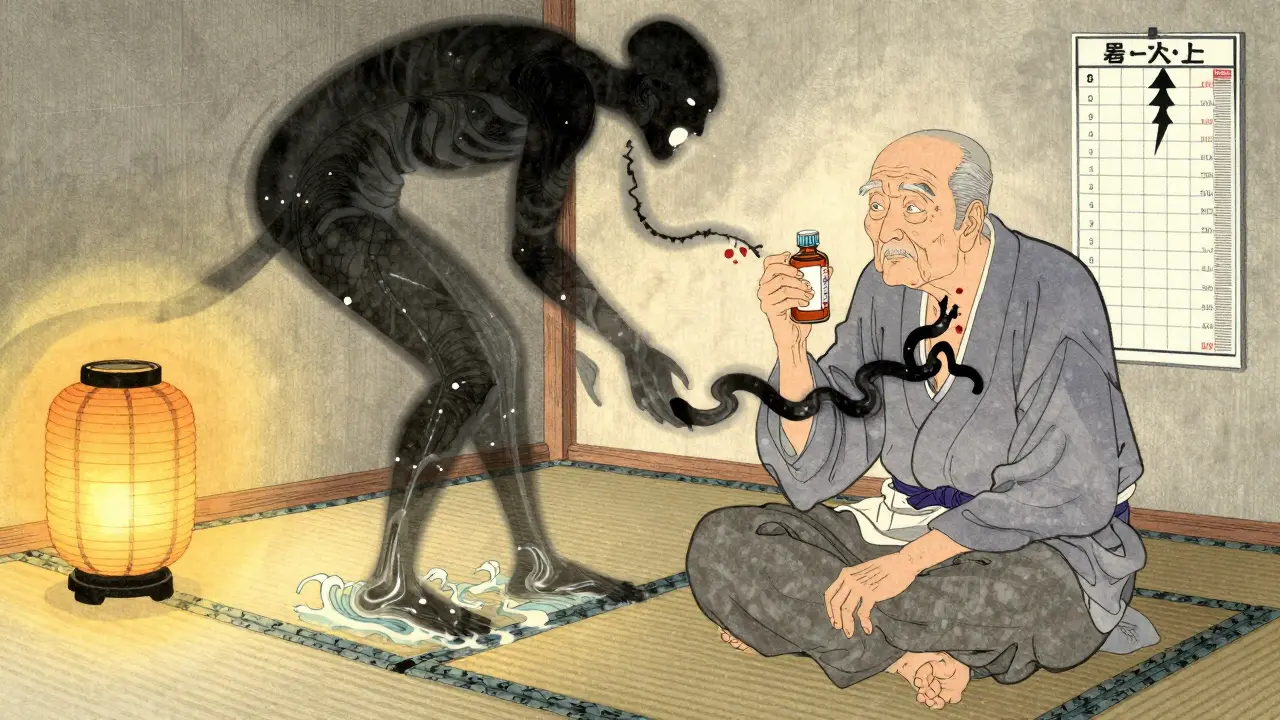
What Should You Take Instead?
Acetaminophen (Tylenol) is the go-to alternative for heart failure patients. It doesn’t affect kidney blood flow or sodium retention the way NSAIDs do. It’s not as strong for inflammation, but for general pain like headaches or muscle aches, it’s usually enough. For chronic pain-like osteoarthritis or back pain-non-drug options matter. Physical therapy, heat packs, gentle stretching, and weight management can reduce reliance on pills. If you need something stronger, talk to your doctor about non-NSAID options like topical creams (diclofenac gel applied to the skin has much lower systemic absorption) or nerve-targeted medications like gabapentin.What Doctors Need to Do Better
Despite clear guidelines from the European Society of Cardiology and the American Heart Association, many doctors still don’t ask about NSAID use during medication reviews. A 2021 survey found that only 43% of primary care physicians routinely check for NSAID use in heart failure patients. The European Society of Cardiology’s 2021 guidelines give NSAIDs a Class III recommendation-meaning they are proven to cause harm and should be avoided entirely. The 2023 American Heart Association statement went even further, calling NSAIDs “absolutely contraindicated” in all stages of heart failure. Clinicians need to make this a standard part of every visit: “Are you taking any over-the-counter pain relievers?” Not “Do you take ibuprofen?”-because people don’t always think of Advil or Aleve as medicine. They think of it as something you grab from the cabinet, like aspirin.What You Can Do Today
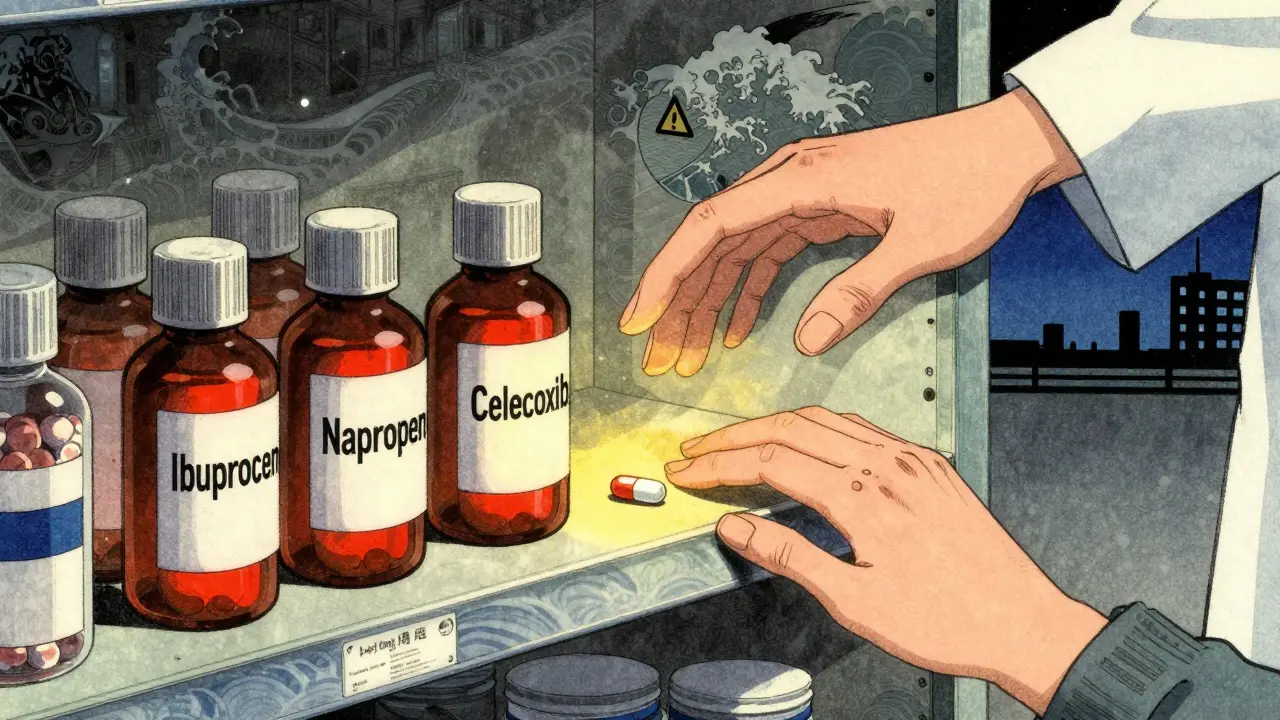
If you have heart failure:- Never take ibuprofen, naproxen, diclofenac, or celecoxib without talking to your doctor.
- Check all medicine labels-even cold and flu remedies, menstrual pain relievers, and topical gels.
- Use acetaminophen as your first choice for pain.
- Track your weight daily. A gain of 2 kg (4.4 lbs) or more in 2-3 days could mean fluid buildup from NSAIDs.
- Ask a family member to help monitor your medications. Many patients don’t realize they’re taking something harmful.
- If you’ve taken an NSAID and feel swollen, breathless, or heavier than usual, call your doctor immediately.
The Bigger Picture
The global NSAID market is worth over $11 billion. Most of those sales are over-the-counter. That means millions of people are walking into pharmacies, grabbing a bottle of ibuprofen, and never thinking about the hidden risk. The pharmaceutical industry has known about this danger for over 20 years. Regulatory agencies have acted. Guidelines have been updated. Yet the gap between knowledge and practice remains wide. New tools are coming. The American College of Cardiology plans to launch a mobile app in mid-2025 that will alert heart failure patients when they try to order or scan an NSAID. But until then, the responsibility falls on patients and their families to know the truth: NSAIDs are not safe for heart failure. What feels like a small, harmless choice can be the trigger for a life-threatening event.What Happens If You’ve Already Taken One?
If you’ve taken an NSAID and you’re stable-no swelling, no weight gain, no shortness of breath-you’re likely okay. But you should still stop taking it and talk to your doctor. Don’t wait for symptoms to appear. If you’ve taken it and you’re already feeling worse-swollen ankles, sudden weight gain, trouble breathing-you need medical attention now. Don’t wait until Monday. Don’t hope it’ll pass. Fluid retention from NSAIDs can progress rapidly. Emergency departments see this pattern often: a patient comes in with worsening heart failure, and the trigger is a bottle of ibuprofen they thought was harmless.Final Takeaway
NSAIDs don’t just “cause side effects.” They directly interfere with how your body manages fluid when your heart is already weak. The science is clear. The warnings are on the label. The risks are real and immediate. There is no safe NSAID for someone with heart failure. Not celecoxib. Not naproxen. Not a low dose. Not a single pill. The only safe choice is to avoid them entirely and find alternatives that won’t put your heart at risk.Can I take aspirin if I have heart failure?
Low-dose aspirin (81 mg) is generally considered safe for heart failure patients when prescribed for heart protection, such as after a heart attack or for stroke prevention. Unlike other NSAIDs, aspirin doesn’t significantly affect kidney blood flow or fluid balance at these low doses. But always check with your doctor before taking any medication-even aspirin-because it can interact with other heart drugs like diuretics or ACE inhibitors.
Is naproxen safer than ibuprofen for heart failure?
Some studies suggest naproxen may have a slightly lower cardiovascular risk compared to ibuprofen or diclofenac, but it still causes fluid retention and worsens heart failure. No NSAID is safe for heart failure patients. Even if one drug seems less risky, the kidney and fluid effects are still present. The safest choice is to avoid all NSAIDs, including naproxen.
Can I use topical NSAID creams instead of pills?
Topical NSAIDs like diclofenac gel absorb much less into the bloodstream than pills, so they’re a better option for localized pain like arthritis in the knee or elbow. They still carry some risk, especially if used over large areas or for long periods, but they’re far less likely to cause fluid retention or kidney issues. Always talk to your doctor before using them, especially if you have advanced heart failure.
Why do some doctors still prescribe NSAIDs to heart failure patients?
Some doctors may not be fully aware of the latest guidelines, or they may think the patient’s heart failure is mild enough to tolerate NSAIDs. Others may be pressured by patients who insist on pain relief. But current guidelines from the European Society of Cardiology and American Heart Association are clear: NSAIDs are harmful and should be avoided. If your doctor prescribes one, ask for the reasoning and request alternatives.
How quickly can NSAIDs cause heart failure symptoms to worsen?
Symptoms like swelling, weight gain, and shortness of breath can appear within 24 to 72 hours after taking an NSAID. In high-risk patients, such as those with diabetes or advanced heart failure, the change can happen even faster. This is why even a single dose can be dangerous. If you notice sudden changes after taking an NSAID, contact your doctor immediately.
Are there any new treatments being developed to replace NSAIDs for heart failure patients?
Researchers are exploring non-NSAID pain options, including targeted nerve blockers, wearable heat therapy devices, and new non-opioid analgesics. The American College of Cardiology is also developing a mobile app set to launch in mid-2025 that will alert heart failure patients when they try to purchase or scan an NSAID. Until then, acetaminophen and non-drug therapies remain the safest choices.
Jane Lucas
December 27, 2025 AT 08:51i took ibuprofen for my back last week and felt weirdly puffy afterward-didn’t think much of it till i read this. now i’m scared to even look at my medicine cabinet.
Paula Alencar
December 28, 2025 AT 21:53It is imperative to underscore, with the utmost gravity, that the pharmacological landscape of nonsteroidal anti-inflammatory drugs presents an existential threat to individuals diagnosed with congestive heart failure. The biochemical cascade initiated by COX-2 inhibition precipitates a dramatic reduction in renal perfusion, triggering a maladaptive retention of sodium and water that directly undermines the compensatory mechanisms of an already compromised cardiac system. This is not a matter of marginal risk-it is a physiological betrayal, one that transmutes a benign analgesic into a catalyst for acute decompensation. The data is unequivocal, the warnings are mandated by regulatory bodies, and yet, tragically, patient education remains woefully inadequate. We must institutionalize mandatory counseling at point-of-sale, embed alerts in electronic health records, and empower caregivers with the linguistic tools to interrogate over-the-counter use with the same rigor as prescription medication. The cost of inaction is measured in hospital admissions, in lost breaths, in lives prematurely extinguished.
Nikki Thames
December 29, 2025 AT 03:18People who take NSAIDs without knowing the risk are not just careless-they are complicit in their own decline. You think you’re being responsible by popping a pill for a headache, but you’re ignoring the silent sabotage happening inside your kidneys. The fact that you didn’t read the label? That’s not ignorance-it’s negligence. And if your doctor didn’t warn you? They’re failing you. There’s no excuse. The science has been clear for decades. If you have heart failure and you’re still using ibuprofen, you’re playing Russian roulette with your own organs.
Chris Garcia
December 30, 2025 AT 01:58In the heart of Lagos, where pain is a daily companion and medicine is often bought without prescription, this truth hits differently. We do not have the luxury of clinics on every corner, yet we carry the same biology as those in New York or London. The NSAID trap is global-silent, cheap, and deadly. I have seen grandmothers take naproxen for swollen knees, unaware that each pill is a whisper to their failing hearts. Let us not wait for regulations to save us. Let us teach. Let us speak in marketplaces, in churches, in WhatsApp groups. Let the grandmother who reads this know: your pain is real, but your heart is more sacred. Acetaminophen is your ally. Your body is not broken-it is begging for mercy. Listen.
James Bowers
December 30, 2025 AT 19:05This entire article is a classic case of medical overreach. The risk is exaggerated. People have been taking ibuprofen for decades. If NSAIDs were truly this dangerous, why aren’t we seeing mass hospitalizations in the general population? The real issue is poor patient compliance and misdiagnosis. Heart failure patients are complex, and blaming a simple pain reliever ignores the broader context of polypharmacy and inadequate monitoring. This fear-mongering distracts from real solutions like better outpatient management and telehealth follow-ups.
Will Neitzer
January 1, 2026 AT 13:54Thank you for this meticulously researched and urgently needed clarification. The disconnect between clinical guidelines and public awareness is not just a gap-it’s a chasm. The fact that 37% of heart failure patients have taken NSAIDs without understanding the danger speaks volumes about the failure of health literacy initiatives. We must treat this like we treat smoking cessation: public campaigns, pharmacist counseling, pharmacist-led screening tools, and mandatory labeling that cannot be ignored. The FDA warning is there, but it’s buried in 8-point font on the back of a blister pack. That’s not a warning-it’s a loophole. We need bold action: color-coded alerts on OTC shelves, QR codes linking to patient videos, and AI-powered pharmacy alerts when NSAIDs are scanned. This isn’t about restriction-it’s about saving lives with intelligence, not just information.
Janice Holmes
January 2, 2026 AT 00:07Let’s be real-Big Pharma knew this was coming. They’ve been quietly funding studies that downplay the risk for years. The FDA warning? A PR move to avoid lawsuits. The real villains? The doctors who still prescribe it, the pharmacists who don’t ask, and the marketing teams that make you believe ‘non-prescription’ means ‘safe.’ And don’t get me started on celecoxib-marketed as the ‘gentle’ NSAID while quietly wrecking kidneys. This isn’t a medical issue. It’s a corporate cover-up. They’re milking billions while we bleed fluid from our ankles. The app coming in 2025? Too little, too late. We need a class-action lawsuit. We need the truth in every TV commercial. We need to burn the ibuprofen aisle down.
Elizabeth Alvarez
January 3, 2026 AT 09:09I’ve been following this for years. NSAIDs are just the tip of the iceberg. Did you know that many cold medicines contain hidden NSAIDs? And the FDA doesn’t require them to be labeled as ‘heart failure dangerous’-only ‘may cause fluid retention.’ That’s a loophole. Also, the 2023 AHA statement? It was quietly amended after lobbying from pharmaceutical lobbyists. I’ve got screenshots. The real danger isn’t just the drugs-it’s the system that lets them stay on shelves. Even acetaminophen is being studied for subtle cardiac effects. They’re testing a new painkiller called ‘CardioSafe’-it’s a placebo with a fancy name. They’re distracting us while they patent the next generation of silent killers. Wake up. The pills are watching you.
Will Neitzer
January 3, 2026 AT 15:07Thank you for raising the point about hidden NSAIDs in cold and flu formulations-this is exactly the kind of systemic blind spot we need to fix. I’ve seen patients come in with acute decompensation after taking ‘just one’ NyQuil, not realizing it contained ibuprofen. This isn’t about patient error-it’s about design failure. Packaging should be standardized: red warning stripes on any OTC product containing NSAIDs, regardless of dose. And pharmacists should be required to ask: ‘Are you managing heart failure?’ before dispensing. We’re not asking for perfection. We’re asking for basic safeguards. If we can require childproof caps for aspirin, we can require life-saving clarity for heart failure patients. This is low-hanging fruit. Let’s pick it.