Stevens-Johnson Syndrome and Toxic Epidermal Necrolysis: What You Need to Know About These Drug Reactions
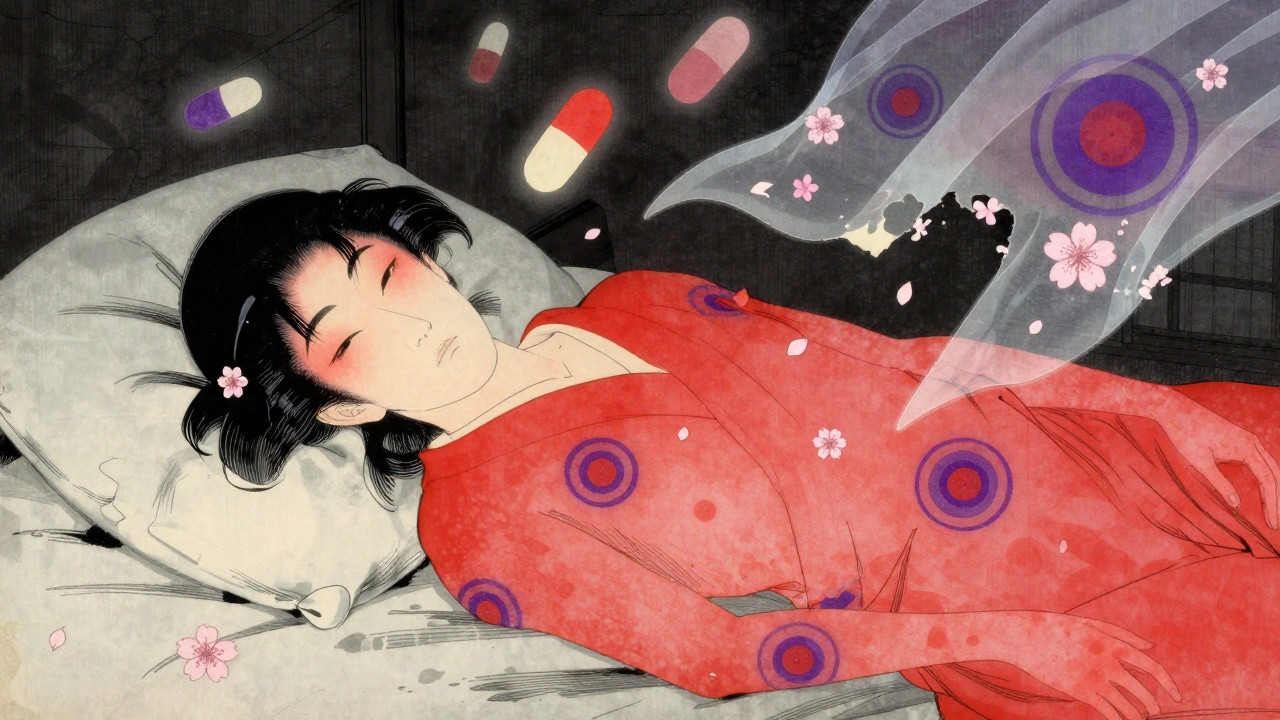
Stevens-Johnson Syndrome (SJS) and Toxic Epidermal Necrolysis (TEN) aren’t just rare skin rashes. They’re life-threatening emergencies that can turn a routine medication into a nightmare. Imagine waking up with a fever, a sore throat, and burning eyes-then watching your skin start to peel off in sheets. That’s what happens when your immune system goes rogue in response to a drug. These conditions are not allergies in the traditional sense. They’re full-blown immune attacks on your own skin and mucous membranes. And they’re more common than most people realize.
How SJS and TEN Are Connected
For decades, doctors treated SJS and TEN as two different diseases. But by the 1990s, the medical community realized they’re part of the same spectrum. The only real difference is how much of your skin detaches. If less than 10% of your body surface is affected, it’s called SJS. Between 10% and 30%, it’s overlap syndrome. If more than 30% of your skin peels away, that’s TEN-the most severe form. TEN is sometimes called Lyell’s syndrome, named after the doctor who first described its devastating scale in 1956.
Think of it like a burn, but it’s not caused by heat. It’s caused by your own immune system turning against your skin cells. The damage happens at the deepest layer of your skin, where the epidermis separates from the dermis. This isn’t a superficial blister. It’s full-thickness necrosis. The skin doesn’t just blister-it dies and sloughs off.
What Happens Before the Skin Peels
Before the skin starts to detach, there’s a warning phase. It usually starts 1 to 3 weeks after taking a new medication, though it can happen as fast as 48 hours if you’ve taken the drug before. You might feel like you’re coming down with the flu: fever over 102°F, headache, cough, sore throat, fatigue. Your eyes may feel gritty or red. These symptoms are so common, most people assume it’s a virus. That’s why SJS/TEN is often missed in the early stages.
Then, within 24 to 72 hours, the rash appears. It starts as flat, red or purple spots-often on the chest or back-and spreads outward. These aren’t typical hives. They look like targets or bull’s-eyes, but not always. Sometimes they’re just irregular patches. The skin becomes painfully tender. When you press on it, the top layer peels off easily-that’s called the Nikolsky sign. It’s a key clue doctors look for.
The Mucous Membranes Are Always Involved
One thing that sets SJS/TEN apart from other rashes: it always attacks mucous membranes. In fact, you can’t diagnose it without at least two affected mucosal sites. In 90% of cases, your mouth is involved-sores, blisters, bleeding gums, difficulty swallowing. Your eyes are affected in 80% of cases, leading to severe conjunctivitis, light sensitivity, and scarring. Your genitals are involved in 60% of cases. The throat, nose, and even lungs can be damaged too.
This isn’t just uncomfortable-it’s dangerous. Open sores in your mouth make eating and drinking impossible. Eye damage can lead to permanent vision loss. Urinary tract scarring can cause long-term blockages. And because the skin barrier is gone, you’re at high risk for sepsis. Your body loses fluids and electrolytes like someone with a major burn. That’s why patients often need ICU-level care.
What Medications Cause This?
Over 80% of SJS/TEN cases are triggered by drugs. The big culprits are well-known and well-documented:
- Antiepileptics like carbamazepine, phenytoin, and lamotrigine (responsible for about 30% of cases)
- Sulfonamide antibiotics like trimethoprim-sulfamethoxazole (Bactrim) (20%)
- Allopurinol, used for gout (15%)
- NSAIDs, especially oxicam-type drugs like piroxicam
- Nevirapine, an HIV medication
But here’s the most important part: your genes matter. If you carry the HLA-B*15:02 gene variant, taking carbamazepine increases your risk of SJS/TEN by up to 1,000 times. That’s not a small risk-it’s a red flag. The same goes for HLA-B*58:01 and allopurinol. People of Asian descent are far more likely to carry these variants. That’s why countries like Taiwan now require genetic testing before prescribing carbamazepine. Since 2007, SJS/TEN cases from this drug dropped by 80%.
The FDA now requires HLA screening for these medications in high-risk populations. If you’re prescribed one of these drugs, ask: “Do I need a genetic test first?”
How Doctors Diagnose It
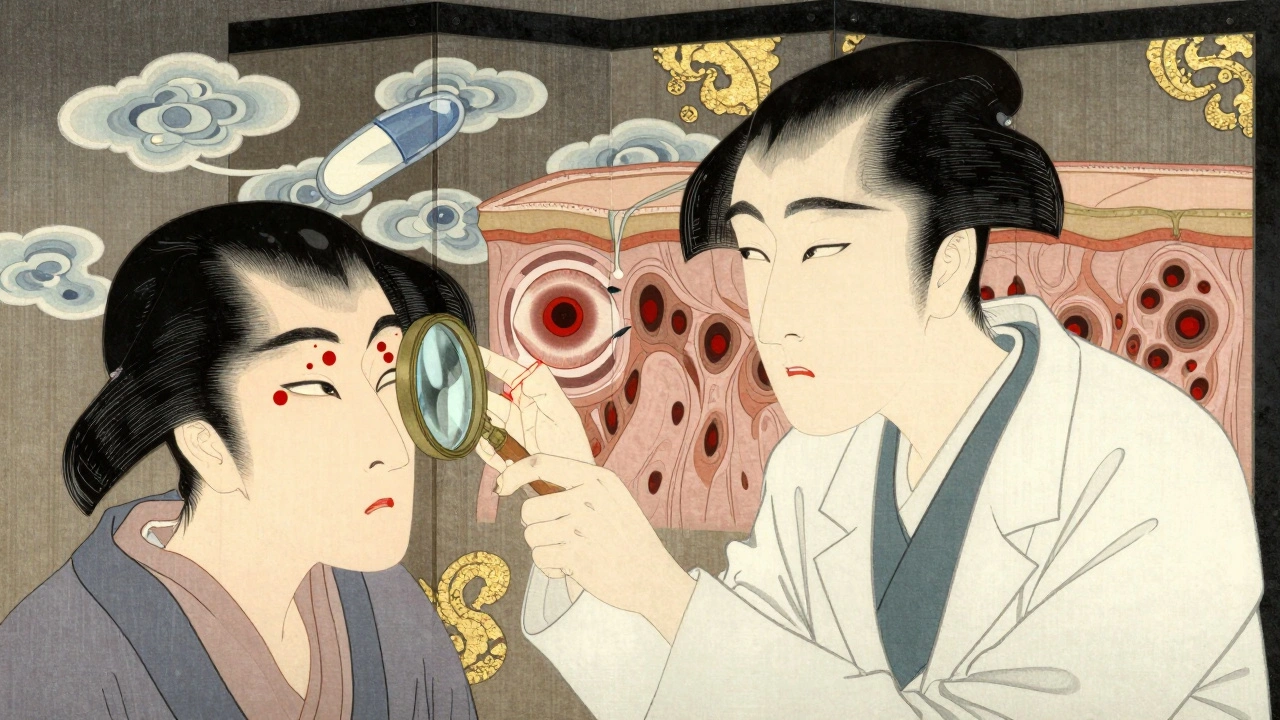
There’s no single blood test for SJS/TEN. Diagnosis is clinical, based on symptoms and confirmed with a skin biopsy. The biopsy shows full-thickness death of skin cells with very little inflammation underneath-a hallmark that separates it from other blistering diseases like staphylococcal scalded skin syndrome, which affects children and has a different pattern of skin separation.
Doctors also use the RegiSCAR criteria: acute onset, skin tenderness, mucosal involvement, and typical lesions. But timing matters. The longer you wait, the worse it gets. That’s why emergency departments need to recognize the early signs. A misdiagnosis as a viral rash or allergic reaction can be fatal.
How It’s Treated
If SJS/TEN is suspected, the first and most critical step is stopping every non-essential medication. Even one that seems unrelated could be contributing. Then, you’re admitted to a burn unit or ICU. Why? Because your body is losing fluids, proteins, and electrolytes just like a severe burn patient. You need aggressive IV fluids-sometimes three to four times your normal daily requirement.
Wound care is delicate. You can’t use adhesive bandages. Special non-stick dressings are used. Pain control is intense. Many patients need opioid-level pain management.
There’s no universally agreed-upon drug treatment. IVIG (intravenous immunoglobulin) was once thought to help, but large studies showed it doesn’t improve survival. Steroids are risky-they can increase infection rates. But some doctors still use pulse-dose methylprednisolone early on.
One of the most promising treatments is cyclosporine. A 2016 trial showed it cut mortality from 33% to 12.5%. Another emerging option is etanercept, a TNF-alpha blocker. A 2019 study found that when given within 48 hours, it led to 0% mortality in 12 patients-compared to over 30% in untreated cases.
The SCORTEN score helps predict survival. It looks at seven factors: age over 40, cancer history, heart rate over 120, skin detachment over 10%, high blood sugar, high urea levels, and low bicarbonate. Each factor adds risk. If you have five or more, your chance of dying is around 90%.
What Happens After You Survive
Surviving SJS/TEN doesn’t mean you’re out of the woods. Sixty to eighty percent of survivors deal with long-term problems. Your skin may be permanently discolored-too dark or too light. Scarring is common. Nails can grow back deformed or fall off.
But the worst complications are internal. Half to 80% of survivors develop chronic eye problems: dry eyes, light sensitivity, corneal scarring. Some lose vision. Daily eye drops become a lifelong necessity. In 15% of cases, men develop urethral strictures. Women may need surgery for vaginal adhesions.
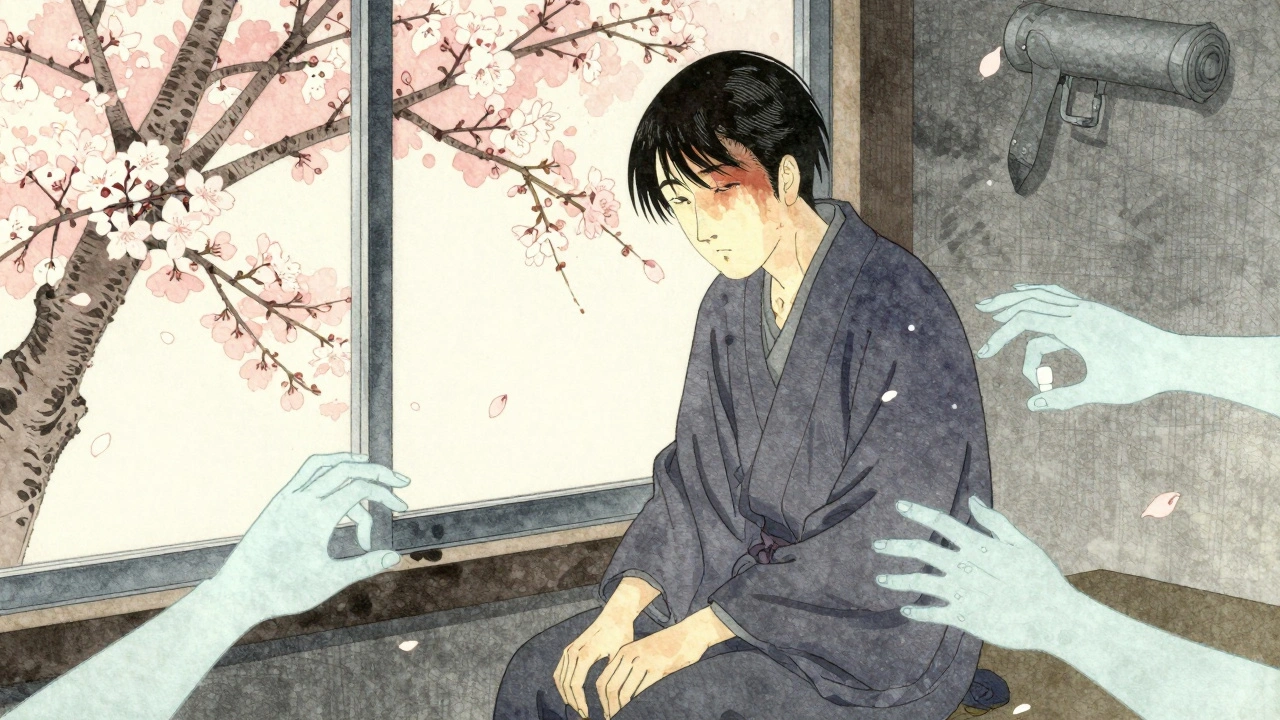
And then there’s the mental toll. Forty percent of survivors develop PTSD. The experience is traumatic: weeks in the hospital, skin peeling off, constant pain, isolation. Many can’t return to their old jobs or routines. Counseling and support groups are critical.
Can It Be Prevented?
Yes-through smarter prescribing. Genetic testing for HLA-B*15:02 before giving carbamazepine to people of Asian descent is now standard in many countries. The same goes for HLA-B*58:01 and allopurinol. In 2022, the FDA approved a point-of-care test for allopurinol risk that gives results in four hours instead of two weeks. That’s a game-changer.
If you’re prescribed any of the high-risk drugs listed above, ask your doctor: “Is there a genetic test I should take first?” Don’t assume it’s only for people with a family history. These genes are population-based. If you’re of Southeast Asian, Chinese, or Thai descent, the risk is high even without family history.
Also, never ignore early symptoms. If you start feeling sick after starting a new medication-fever, sore throat, eye pain-stop the drug and get checked immediately. Don’t wait for the rash to appear. Early intervention saves lives.
The Future of SJS/TEN
Researchers are now looking at blocking the actual mechanism of damage. The key player is a protein called granulysin, released by immune cells that literally punch holes in skin cells. Phase II trials for granulysin inhibitors are expected to begin in 2024. If they work, they could be the first targeted treatment to stop the process before it spreads.
Meanwhile, global registries like the iSCAR consortium are tracking over 1,200 cases to find new genetic risks. The goal? To build a predictive model so doctors can avoid giving high-risk drugs to anyone who might react-before the first pill is even taken.
SJS and TEN are rare. But when they strike, they strike hard. The good news? We now know more than ever about who’s at risk, how to spot it early, and how to treat it. The next step is making sure everyone-patients and doctors alike-knows what to look for. Because in this case, awareness isn’t just helpful. It’s life-saving.
Katherine Chan
December 8, 2025 AT 14:51Olivia Portier
December 10, 2025 AT 02:45Raja Herbal
December 10, 2025 AT 07:42Iris Carmen
December 11, 2025 AT 11:59Rich Paul
December 12, 2025 AT 17:51Delaine Kiara
December 13, 2025 AT 21:50Mona Schmidt
December 14, 2025 AT 10:41Guylaine Lapointe
December 15, 2025 AT 09:14Sarah Gray
December 16, 2025 AT 22:13Tejas Bubane
December 17, 2025 AT 03:14Ajit Kumar Singh
December 19, 2025 AT 02:18Maria Elisha
December 20, 2025 AT 12:58