Dangerous Mixes: Questions to Ask Before Taking Supplements with Medicine
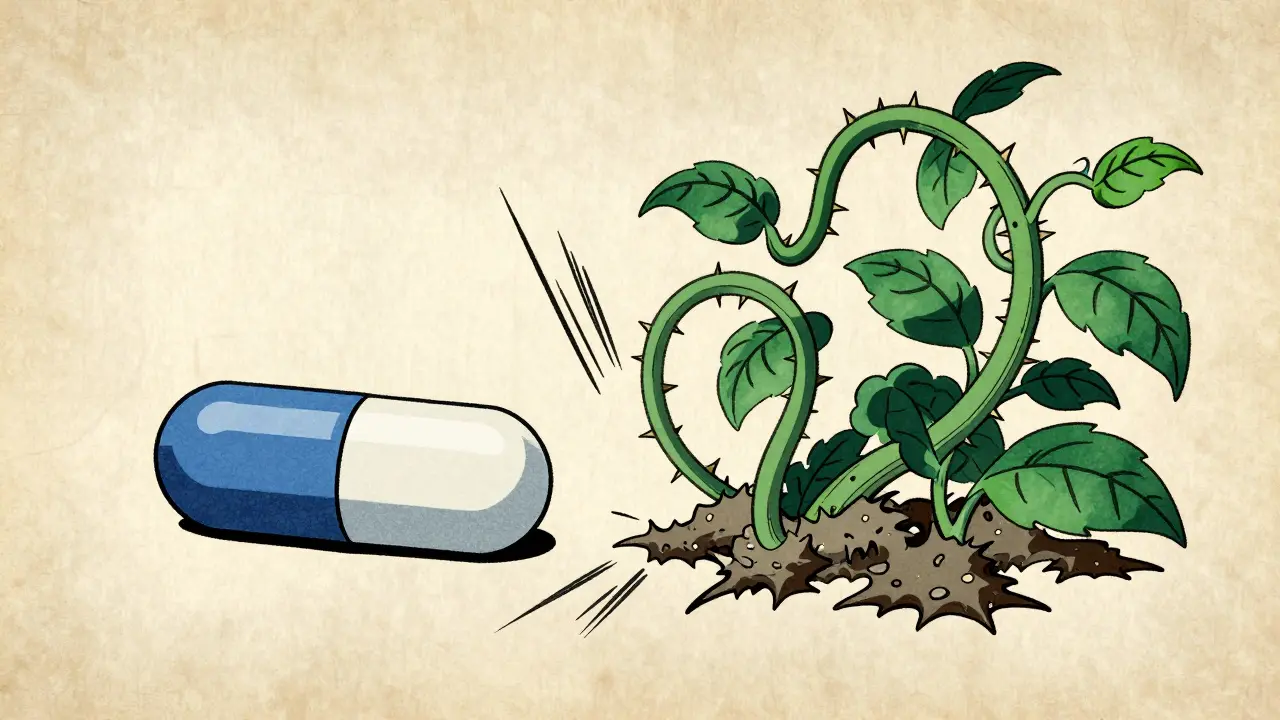
You might think that because a product is labeled "natural," it's automatically safe to take alongside your prescription meds. But here is a jarring reality: the assumption that natural equals safe is one of the most dangerous mistakes you can make with your health. While you might be taking a vitamin or herb to feel better, it could actually be cancelling out your life-saving medication or, worse, creating a toxic reaction in your body.
The gap in safety is huge. Unlike prescription drugs, Dietary Supplements is a category of products including vitamins, minerals, and botanicals that do not require pre-market safety or efficacy approval from the FDA. This means that while your doctor knows exactly what is in your prescription, the supplement you bought at the drugstore might be a total mystery in terms of how it interacts with your chemistry.
With about 75% of adults using supplements while on prescriptions, the risk of a bad interaction is incredibly high. We are talking about thousands of emergency room visits every year because of these combinations. To keep yourself safe, you need to be your own strongest advocate. You can't always rely on a quick 15-minute doctor's visit-most physicians spend barely over a minute discussing supplements. You need to ask the right questions.
The High-Risk Red Flags
Not all supplements are created equal. Some are relatively quiet in your system, while others act like a wrecking ball to your medication's effectiveness. For instance, St. John's Wort is a flowering plant used primarily to treat depression that significantly induces the CYP3A4 enzyme, speeding up the breakdown of many drugs. This makes it one of the most dangerous over-the-counter options because it can slash the concentration of critical meds in your blood by 30% to 80%.
Imagine taking a pill for HIV or an organ transplant, only for a "natural" herb to wipe out half of the medicine's power. That is exactly what happens with some of these high-risk interactions. If you are on immunosuppressants, anticoagulants, or birth control, you are in a high-vulnerability zone where a wrong choice could lead to transplant rejection or an unplanned pregnancy.
| Risk Level | Examples | Primary Concern |
|---|---|---|
| High Risk | St. John's Wort, Goldenseal | Severe reduction in drug efficacy; enzyme induction. |
| Moderate Risk | Ginkgo biloba | Increased bleeding risks; INR instability. |
| Low Risk | Milk thistle, Valerian, Cranberry | Generally safer, but still require professional vetting. |
7 Critical Questions for Your Doctor or Pharmacist
Since your healthcare provider is often rushed, bring this list. Don't just say "Is this okay?" Be specific. These questions target the actual mechanisms of how drugs and herbs fight or help each other.
- Does this supplement affect cytochrome P450 enzymes or drug transporters? Some supplements, like St. John's wort, trigger enzymes that chew through your medication before it can even work.
- Could this create additive effects? This is where a supplement does the same thing as your drug, but too much. For example, combining Ginkgo biloba is a supplement derived from the maidenhair tree known for enhancing blood flow, which can increase bleeding risk when paired with blood thinners. Pairing it with warfarin can increase your bleeding risk by about 35%.
- Is there evidence this supplement reduces my medication's effectiveness? You need to know if the herb is blocking the absorption of the drug or making your body flush it out too fast.
- Has this supplement been studied with my specific medication? Be surprised to learn that only about 15% of supplements have formal interaction studies. If it hasn't been studied, you are essentially a test subject.
- What monitoring parameters should I track? If you're on blood thinners, you need to watch your INR. If you're treating HIV, you need to monitor your viral load closely.
- Are there safer alternatives to this supplement? Sometimes a different version of a plant is safer. For example, American ginseng typically has fewer interactions than Asian ginseng.
- What symptoms indicate a dangerous interaction? You need a warning list. If you combine certain antidepressants (SSRIs) with St. John's wort, you could develop serotonin syndrome, which looks like confusion, a racing heart, and muscle rigidity.

How Interactions Actually Happen
It helps to understand the "how" so you can spot the risks. There are basically two ways these collisions happen: pharmacokinetics and pharmacodynamics.
Pharmacokinetics is all about movement. It's how your body absorbs, distributes, metabolizes, and excretes a drug. If a supplement blocks an enzyme in your liver, the drug stays in your system too long, potentially reaching toxic levels. On the flip side, if it speeds up the enzyme, the drug disappears before it can do its job.
Pharmacodynamics is about the effect. This is the "additive" problem. If you take a prescription sedative and then take a supplement that also sedates you, the combined effect might be so strong that you can't stay awake or your breathing slows down dangerously. It's like adding fuel to a fire-the result is much more intense than either one alone.
The Danger of the "Natural" Label
One of the scariest parts of the supplement industry is the lack of oversight. Under the laws set by the Dietary Supplement Health and Education Act of 1994, companies don't have to prove their products are safe or that they actually work before selling them. This creates a massive knowledge gap.
To make matters worse, some labels are just plain wrong. Reports suggest that up to 70% of supplement labels inaccurately represent how much of an ingredient is actually inside. This makes it impossible to calculate a precise dose or predict an interaction. You might think you're taking 100mg of an herb, but you're actually getting 500mg, which could be the tipping point for a dangerous reaction with your supplement medication interactions.
For those on high-stakes treatments like chemotherapy, the risk is even higher. About 12% of treatment failures in some cancer therapies are linked to supplement interference. While some people find that things like milk thistle help with chemo side effects, this must be done under a doctor's eye. Doing it alone is a gamble with your life.

Practical Tips for Staying Safe
If you want to optimize your health without risking a hospital trip, change how you manage your cabinet. Start by making a complete list of everything you take-including vitamins, herbal teas, and "natural" sleep aids. Don't leave anything out, even if it's just a daily multivitamin.
When you visit your pharmacist, ask them to run a screen. Many pharmacists now use advanced screening tools during medication therapy management to catch these overlaps. They often have a more detailed view of drug-herb chemistry than a general practitioner does.
Lastly, watch for the "first-week flicker." When you start a new supplement, pay close attention to how you feel for the first seven days. Are you suddenly more tired? Is your heart racing? Are you bruising more easily? These are the subtle signs that your supplement and your medicine are fighting for control of your body.
Can a natural supplement really make my birth control fail?
Yes. St. John's wort is a prime example. It induces enzymes that break down the hormones in oral contraceptives much faster than normal. This can increase the failure rate of birth control by 40% to 50%, leading to unplanned pregnancies.
What is serotonin syndrome and how do supplements cause it?
Serotonin syndrome is a potentially life-threatening condition caused by too much serotonin in the brain. It often happens when people combine SSRI antidepressants (like Prozac or Zoloft) with supplements like St. John's wort, which also increases serotonin levels. Symptoms include confusion, muscle stiffness, and rapid heart rate.
Are all blood-thinning supplements dangerous with Warfarin?
Many are. For instance, Ginkgo biloba and high doses of Vitamin E (over 400 IU/day) can increase the anticoagulant effect of warfarin. This raises your risk of internal bleeding and can cause significant swings in your INR levels, making your medication unstable.
Why doesn't my doctor always tell me about these interactions?
Time is the biggest factor. On average, doctors spend only about 1.2 minutes discussing supplements during a standard 15-minute appointment. Additionally, because the supplement market is so massive and poorly regulated, it is difficult for providers to keep track of every single product on the shelf.
Is there any supplement that is 100% safe to take with all medicines?
No supplement is guaranteed to be 100% safe for everyone. While some are categorized as "low-risk" (like milk thistle or valerian), the way your specific body metabolizes chemicals can vary. Always verify a new addition to your routine with a healthcare provider.
What to do next
If you're currently taking a mix of supplements and meds and you're feeling uneasy, don't just stop everything cold turkey-some medications require a gradual taper. Instead, take your supplement bottles to your local pharmacist. Ask them to check for "CYP450 interactions." This is the technical term for the liver enzymes that cause most of the problems discussed here.
If you are a caregiver for an elderly parent, be extra vigilant. Seniors often take multiple prescriptions (polypharmacy), which multiplies the risk of an interaction. Check their cabinet for anything "natural" and bring that list to their next medication review. A simple check could prevent a dangerous emergency room visit.
Olayinka Ibukunoluwa Mercy
April 23, 2026 AT 12:52This is such an important reminder for all of us!!! 🌟 Please, please make sure you check your lists before starting anything new!!! Your health is your greatest wealth, and we must protect it with diligence and care!!! ❤️🙏✨
RAJESH MARAVI
April 24, 2026 AT 17:42actuly most of these risks r overblown... i take whatever i want and i feel fine. the fda just wants to control everythng and make us rely on big pharma meds insted of herbs that actully work 🙄
Ally Warren
April 25, 2026 AT 02:21It is fascinating how we strive for purity through 'natural' means, yet we forget that the most potent poisons in existence are derived from the earth. We seek a shortcut to wellness, ignoring that the balance of chemistry in the body is a delicate dance, and introducing a new partner without knowing the steps can lead to total chaos.
Dan Wizard
April 26, 2026 AT 14:48I find it quite concerning that the regulatory framework for dietary supplements is so vastly different from prescription medications, especially when you consider that many people use them as primary treatments for chronic conditions without any professional oversight, and it makes me wonder how many more adverse reactions go unreported simply because the patient doesn't realize the supplement was the cause.
Chidi Prosper
April 26, 2026 AT 16:26Exactly. The lack of transparency in the supplement industry is a systemic failure that puts consumers at risk every single day.
Anantha Lakshmi
April 28, 2026 AT 09:50Stay strong and stay informed everyone! 💪 Just keep that list ready for your next checkup! 📋✨
vimal purwal
April 30, 2026 AT 07:54I must insist that every single person reading this understands the gravity of the situation because it is completely unacceptable that individuals are risking their lives due to a lack of information and the sheer negligence of those who market these 'natural' products as inherently safe without any scientific backing or clinical trials to support such bold claims!
Caroline Duvoe
May 1, 2026 AT 08:16already knew this 🙄 just common sense really 💅
Sarah Watters
May 1, 2026 AT 09:16It's funny how they tell us to trust the pharmacist. Maybe the 'interactions' are just a way to keep us dependent on the pharmaceutical industrial complex so they can keep pumping us full of synthetic chemicals while demonizing the plants that actually grow from the ground. Just a thought.
Emma Cozad
May 2, 2026 AT 16:20Amercian healthcare is a joke lol. we cant even get a doc to listen for more than a minute without them chargin us a fortune just to be told to take a pill and shut up
Odicha ude Somtochukwu
May 3, 2026 AT 21:31It is my sincere hope that we can all approach our health with a spirit of cooperation and thoroughness, ensuring that we respect the expertise of our medical providers while also advocating for our own well-being in a manner that is both dignified and cautious, for the sake of our long-term health!
Nicole Antunes
May 3, 2026 AT 21:43This is such a helpful guide for anyone feeling overwhelmed by their health options. It is always better to be safe than sorry when it comes to your medication routine. (^_^)v
Divyanshu Giri
May 4, 2026 AT 20:58Just keep crushing it with the knowledge!! Get those lists ready and smash those health goals with a clear head and a safe heart!! Let's gooo!!