Archive: 2025/12
How to Measure Children’s Medication Doses Correctly at Home

Learn how to measure children's medication doses correctly at home using oral syringes, milliliters, and weight-based calculations to avoid dangerous dosing errors. Essential guide for parents.
How to Reduce Medication Risks with Simple Lifestyle Changes

Simple lifestyle changes like walking, eating less salt, sleeping better, and managing stress can reduce medication needs by up to 50% for conditions like high blood pressure and diabetes-without replacing medical care.
Physical Dependence vs Addiction: Clear Differences in Opioid Use Disorder

Physical dependence on opioids is a normal bodily reaction, not addiction. Learn how to tell the difference, why it matters for treatment, and how misdiagnosis harms patients.
Auditory Processing Disorder: Understanding Listening Challenges and Effective Support Strategies

Auditory Processing Disorder (APD) affects how the brain interprets sound, even when hearing is normal. Learn the signs, how it's diagnosed, and proven strategies for support in school, work, and daily life.
Theophylline Clearance: How Common Medications Can Cause Dangerous Buildup
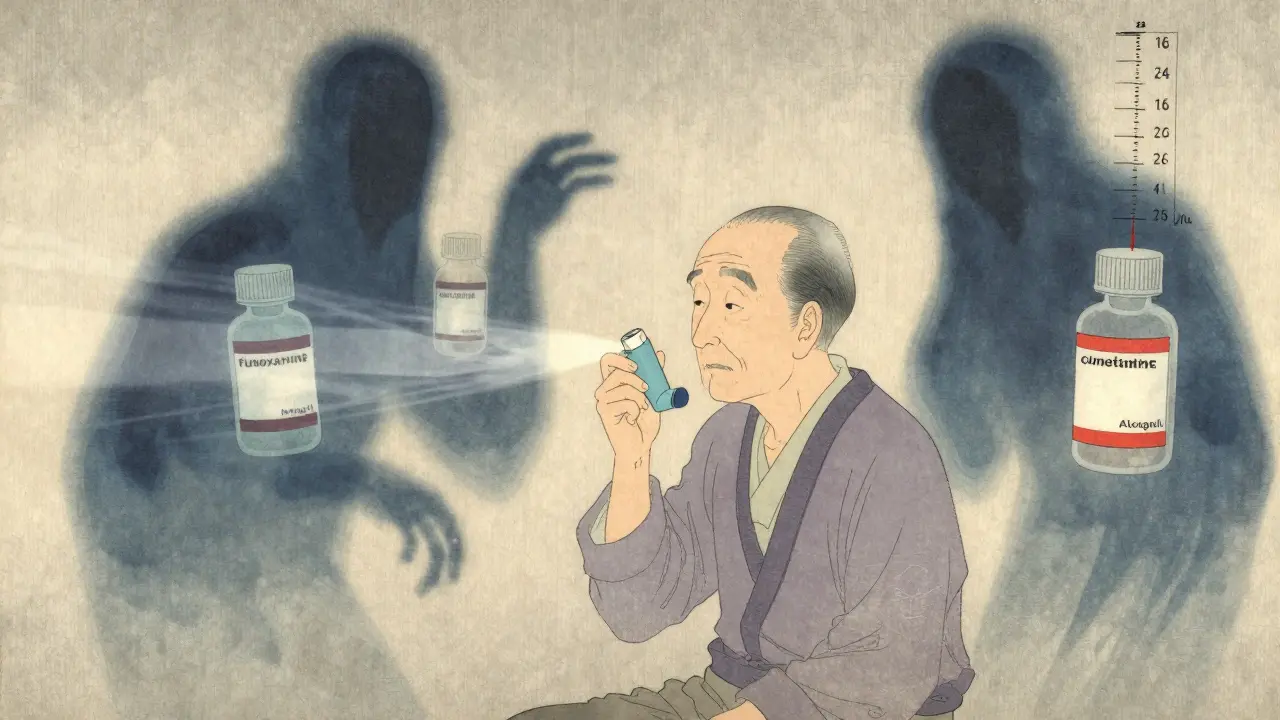
Theophylline is a powerful but risky asthma and COPD medication. Certain common drugs like cimetidine, fluvoxamine, and allopurinol can dangerously slow its clearance, leading to toxic buildup. Learn which medications to avoid and how to stay safe.
NSAIDs and Heart Failure: How Common Pain Relievers Increase Fluid Retention and Hospitalization Risk

NSAIDs like ibuprofen and naproxen can cause dangerous fluid retention in heart failure patients, increasing hospitalization risk even with short-term use. Learn why no NSAID is safe and what alternatives to use instead.
Licorice and Medications: Unexpected Interactions with a Common Candy

Licorice candy may seem harmless, but its active ingredient, glycyrrhizin, can dangerously raise blood pressure and lower potassium-especially when mixed with common medications like diuretics or blood thinners.
Insurance Formulary Tiers Explained: Tier 1, Tier 2, Tier 3, and Non-Formulary Drugs

Understand how insurance formulary tiers work-Tier 1, Tier 2, Tier 3, and non-formulary drugs-and learn how to reduce your prescription costs by choosing the right medications and navigating plan rules.
GLP-1 Receptor Agonists: How to Manage Nausea and GI Side Effects

GLP-1 receptor agonists like Ozempic and Wegovy help with weight loss and diabetes but often cause nausea and stomach issues. Learn why this happens, when to worry, and how to manage side effects without quitting.
Shared Decision-Making Scripts for Side Effect Trade-Offs: How to Talk About Medication Risks with Your Doctor
Learn how to use shared decision-making scripts to talk through medication side effect trade-offs with your doctor-so you can choose treatments that fit your life, not just your lab results.
Safe Topical Medications and Creams During Pregnancy: What You Can and Can’t Use

Learn which topical creams and medications are safe to use during pregnancy for acne, eczema, and fungal infections-and which ones to avoid. Evidence-based guidance for expectant mothers.
Medications Safe During Pregnancy: A Complete Patient List
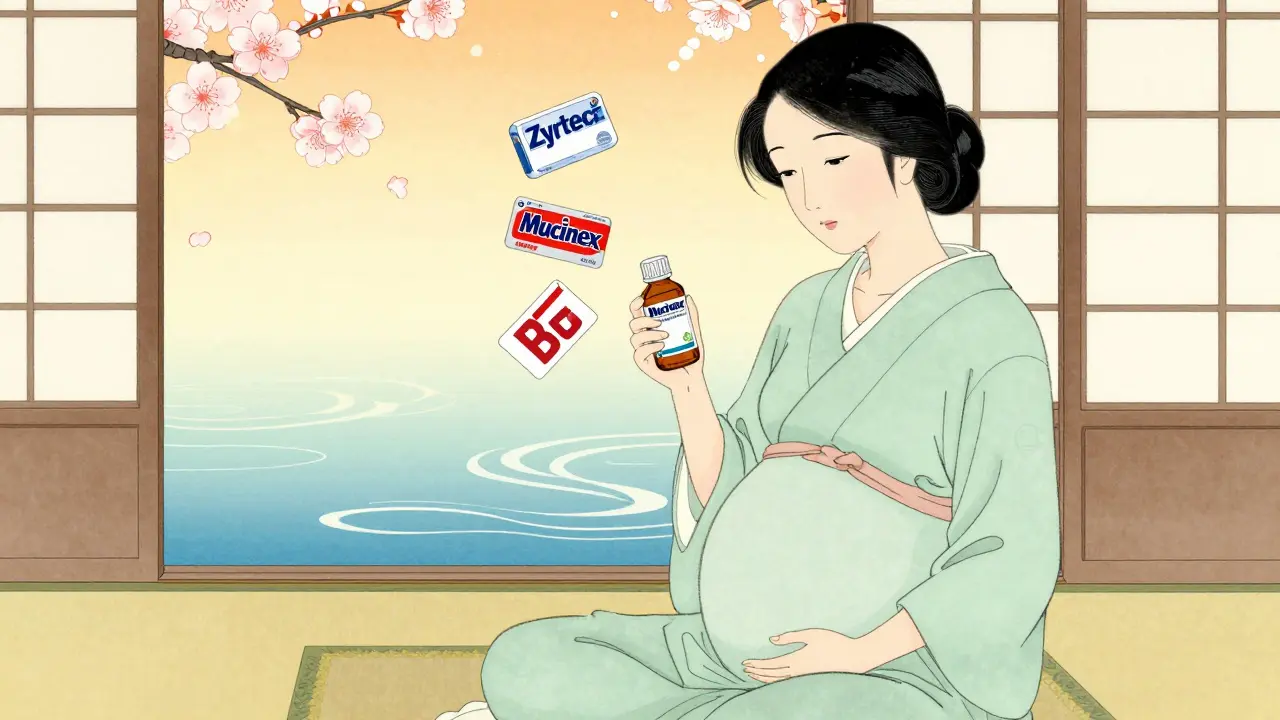
Learn which medications are safe to take during pregnancy, including OTC pain relievers, allergy drugs, nausea treatments, and more - backed by current medical guidelines and real patient data.