Category: Pharmaceutical Information - Page 4
How to Monitor Your Symptoms After a Safety Communication

Learn how to effectively track health indicators and report red flags after receiving a medical safety communication to ensure early intervention and safety.
Heart Failure Medications: Essential Monitoring Guide for Special Populations
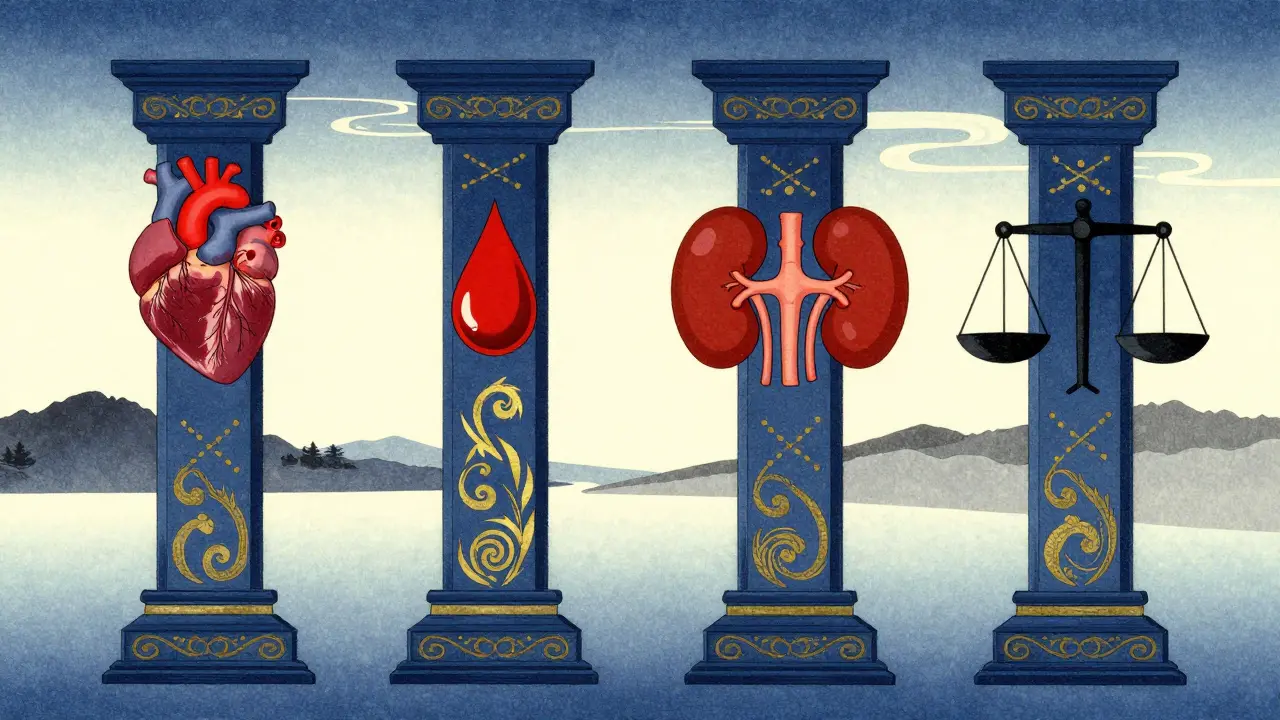
Expert guide on monitoring heart failure medications (GDMT), focusing on titration, potassium risks for MRAs, and special considerations for elderly and non-Caucasian patients.
How to Reduce Pill Burden with Combination Medications
Discover how combining medications reduces daily pill counts, improves health outcomes, and simplifies senior healthcare routines. Includes expert insights, implementation tips, and FAQs.
Nursing Perspectives: How to Counsel Patients on Generic Medications Effectively

Nurses play a vital role in explaining generic medications. Learn evidence-based strategies to address patient concerns, improve adherence, and ensure safety through effective counseling techniques.
Grapefruit and Immunosuppressant Medications: What You Need to Know

Grapefruit can dangerously increase levels of immunosuppressant drugs like cyclosporine and tacrolimus, raising the risk of kidney damage and infection. Even small amounts can cause life-threatening toxicity. Avoid all grapefruit products if you're on these medications.
Nausea from Opioids: How to Manage Antiemetics, Timing, and Diet Adjustments

Opioid-induced nausea affects 30-40% of patients, but it's manageable with the right antiemetics, timing, and diet adjustments. Learn what works, what doesn't, and how to keep pain relief without the sickness.
What Does a Medication Expiration Date Really Mean for Your Safety

Medication expiration dates aren't arbitrary-they're based on science. But not all drugs expire the same way. Learn what really happens to your pills after the date, which ones are dangerous to use, and how storage affects safety.
Hypothyroidism and Statins: How Thyroid Status Increases Myopathy Risk
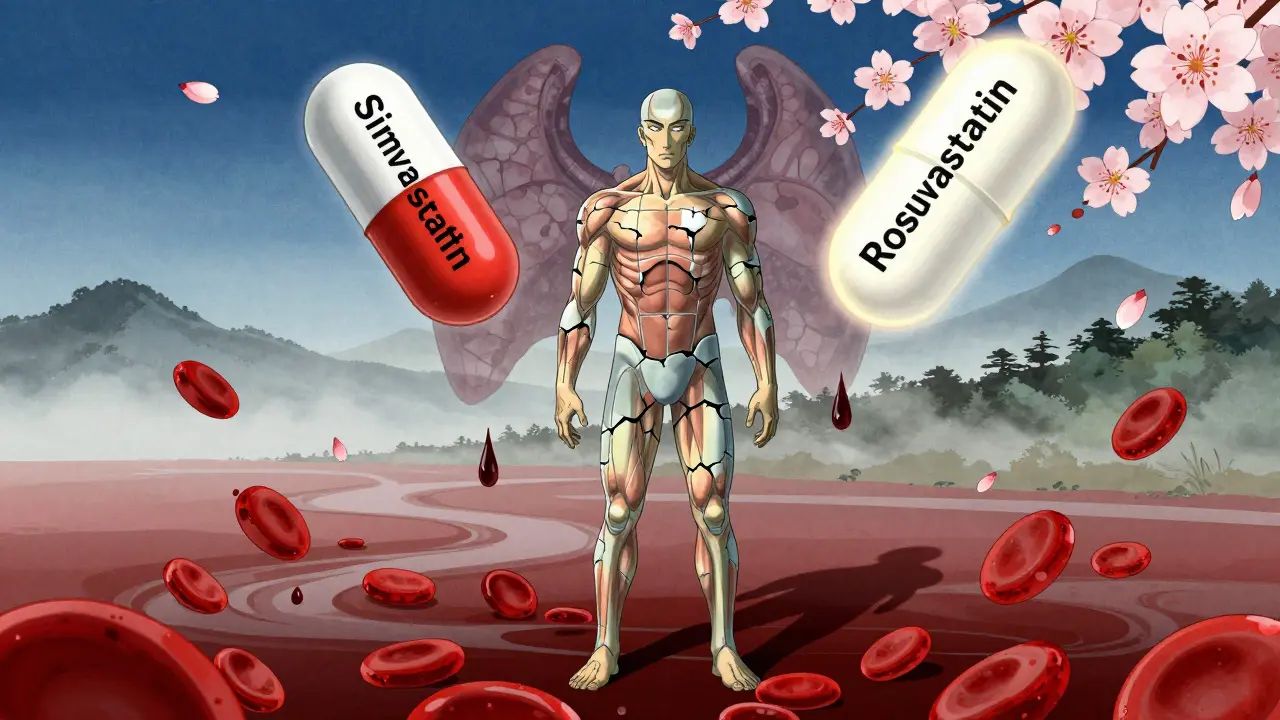
Hypothyroidism and statins together can sharply increase the risk of muscle damage. Learn how thyroid levels, statin type, and CoQ10 levels affect myopathy risk-and what steps you can take to stay safe.
Steroid-Induced Cataracts: Vision Changes and Treatment Options

Steroid-induced cataracts can develop rapidly in people on long-term corticosteroid therapy, causing blurry vision, glare, and faded colors. Learn how they form, who’s at risk, and what treatment options actually work.
FDA’s Abbreviated New Drug Application Process Explained: How Generic Drugs Get Approved
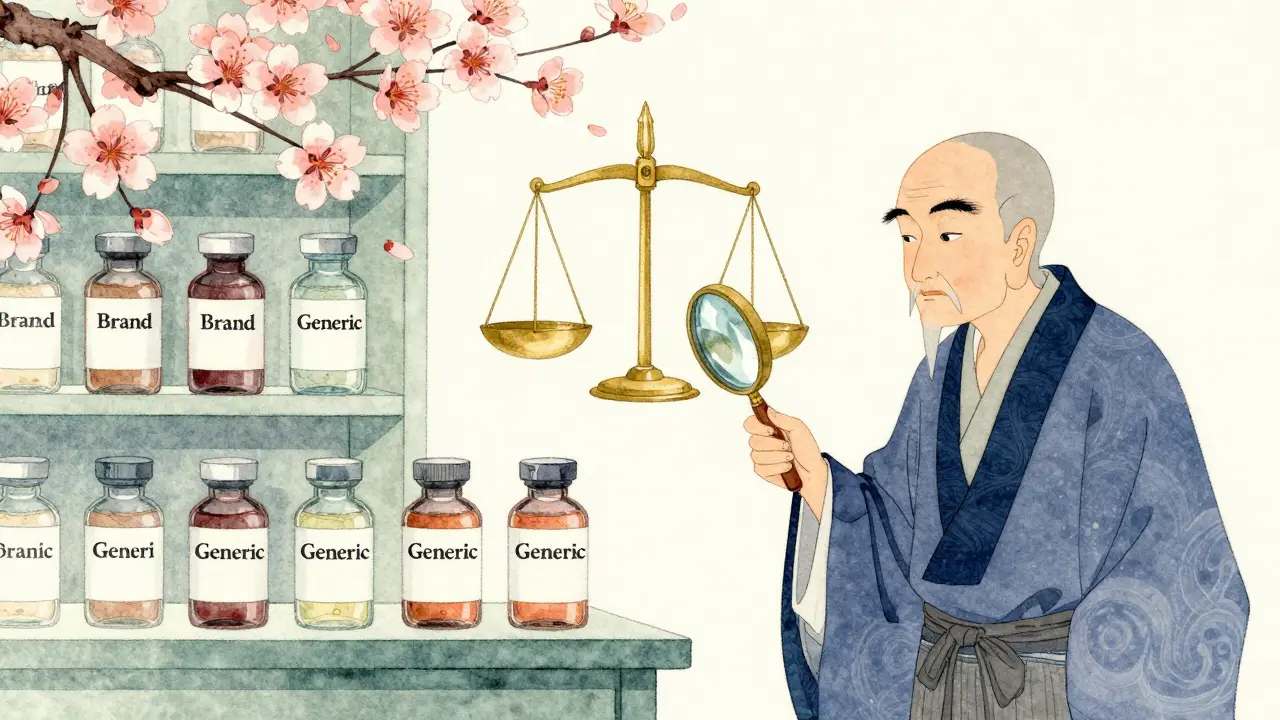
The FDA’s Abbreviated New Drug Application (ANDA) process lets generic drug makers prove their products are equivalent to brand-name drugs without repeating costly clinical trials. This system saves billions annually and makes medications affordable for millions.
Switching Health Plans? How Generic Drug Coverage Can Save You Hundreds Annually
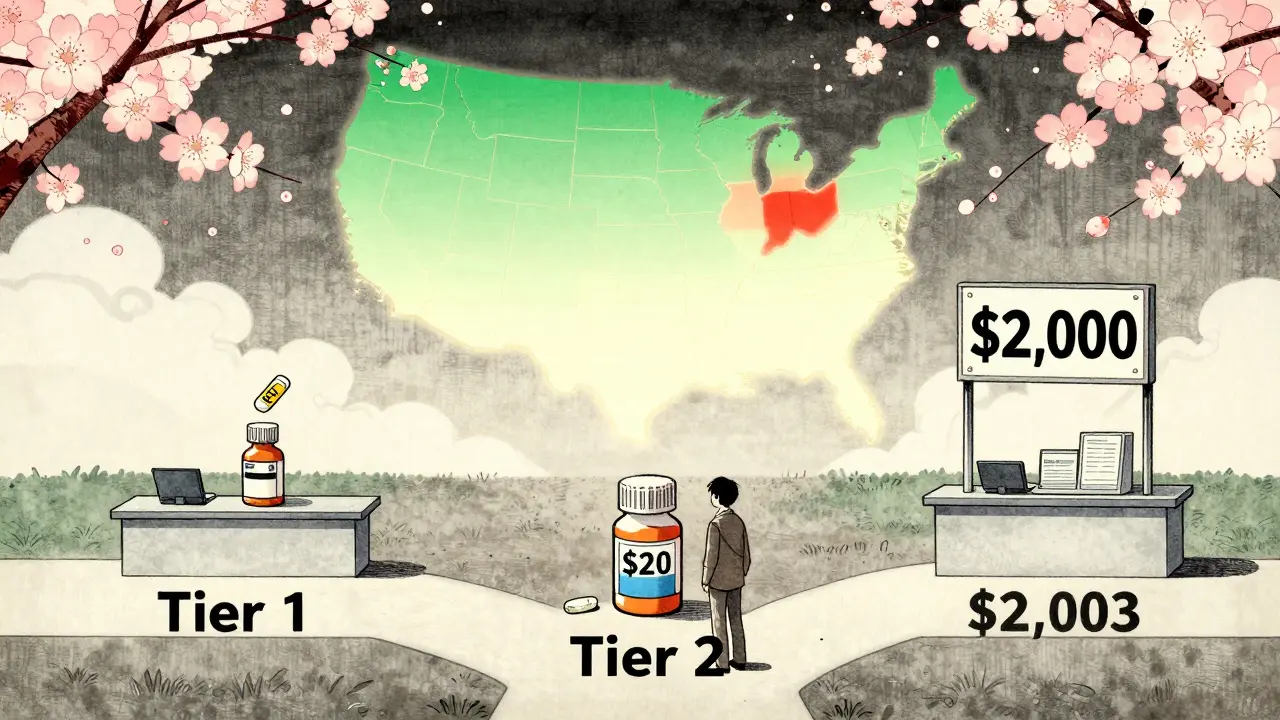
Switching health plans? Your generic drug coverage could cost you hundreds more each year if you don't check the formulary tiers, deductibles, and pharmacy networks. Learn how to compare plans and avoid costly surprises.
Graves' Disease: Understanding Autoimmune Hyperthyroidism and the Role of PTU Treatment

Graves' disease is an autoimmune disorder causing hyperthyroidism, treated with drugs like PTU. Learn how PTU works, when it's used, its risks, and how it compares to other treatments for this common thyroid condition.