Category: Pharmaceutical Information - Page 2
Nasal Antihistamine Sprays: Benefits, Side Effects, and What You Need to Know
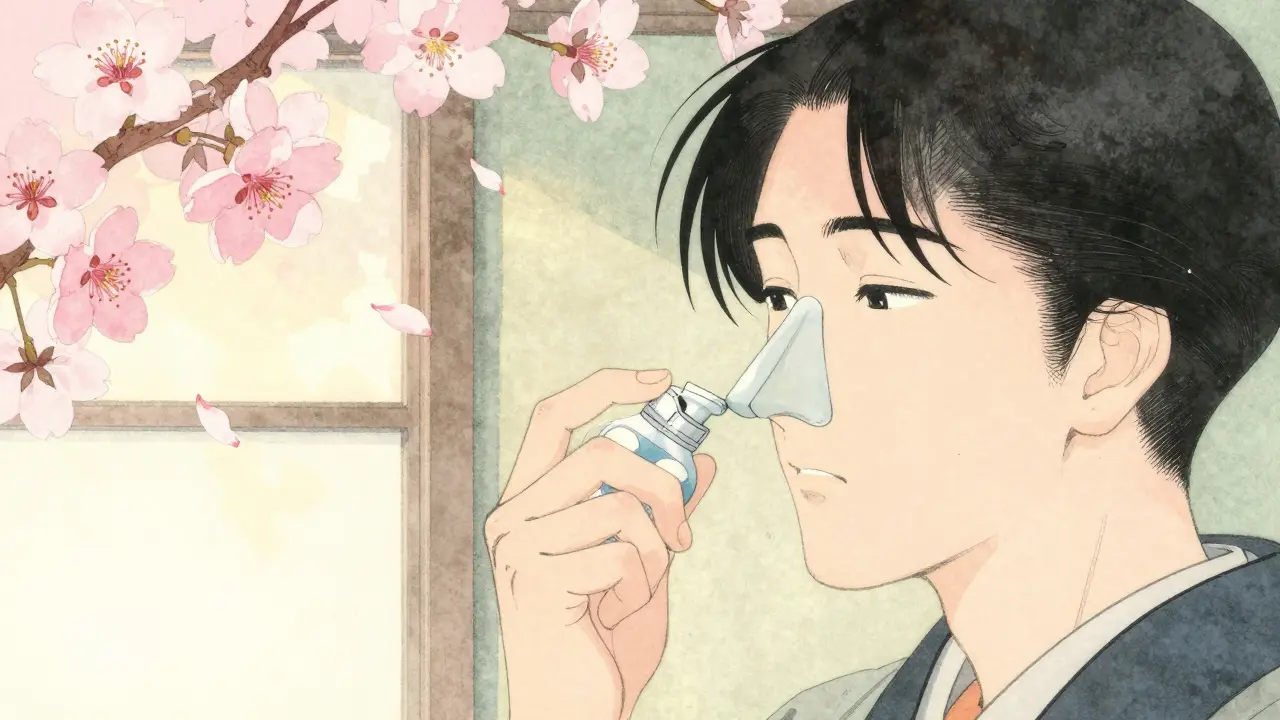
Nasal antihistamine sprays offer fast, targeted relief for runny nose and sneezing caused by allergies. Learn how they work, their side effects, how they compare to other treatments, and tips to use them effectively.
SNRI Medications: Extended Treatment Options for Mental Health

SNRI medications offer a dual-action approach to treating depression, anxiety, and chronic pain by boosting serotonin and norepinephrine. They’re often used when SSRIs fail, especially for fatigue or pain symptoms. Learn how they work, their side effects, and real-world effectiveness.
How to Check If a Generic Medication Is Available for Your Prescription
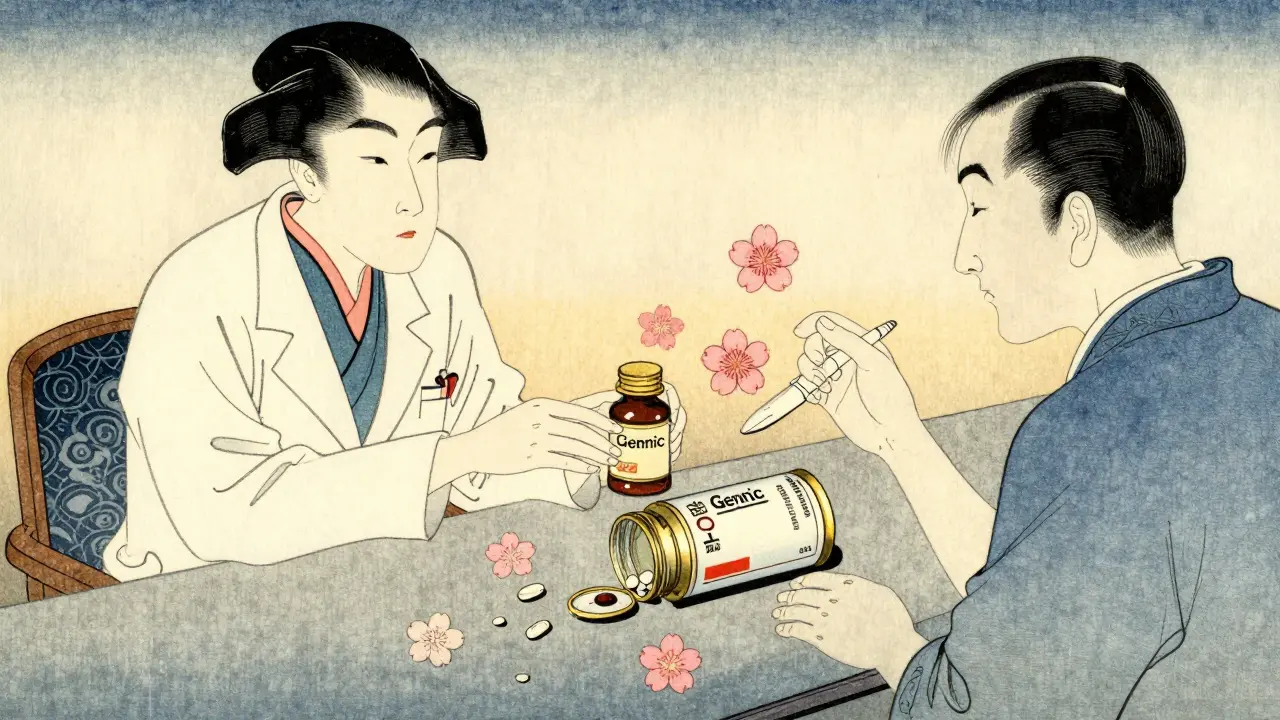
Learn how to check if a generic version of your prescription drug is available and safe to use. Save up to 85% on medication costs by understanding FDA therapeutic equivalence ratings and asking the right questions at the pharmacy.
Finding Medications Abroad and Getting Local Prescriptions: A Practical Guide for Travelers
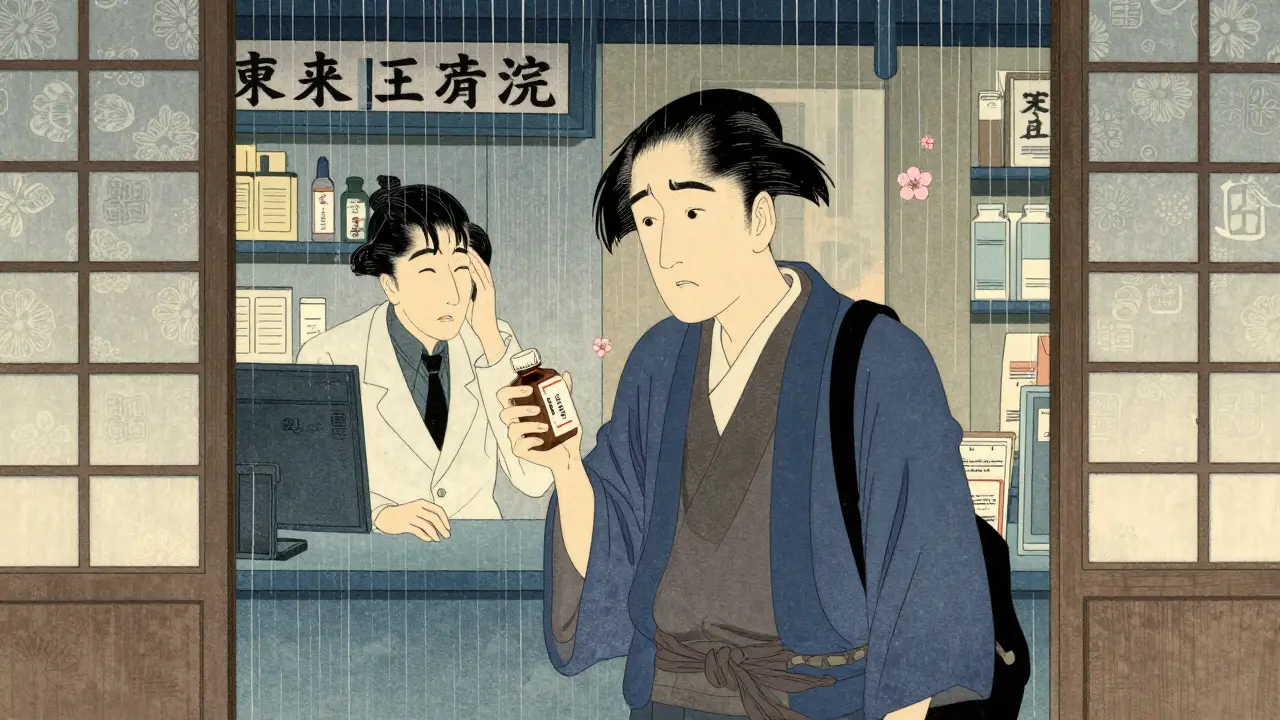
Traveling with medication abroad can be risky. Learn how to navigate international drug laws, get local prescriptions, and avoid having your meds confiscated-so you can stay healthy on the road.
How to Prevent SGLT2 Inhibitor Genital Infections: Hygiene, Hydration, and Timing

SGLT2 inhibitors help manage diabetes and protect the heart and kidneys, but they can cause genital infections. Simple hygiene, hydration, and timing habits can prevent most cases - without stopping the medication.
Dry Eyes from Medications: Lubrication and Lifestyle Tips to Manage Side Effects
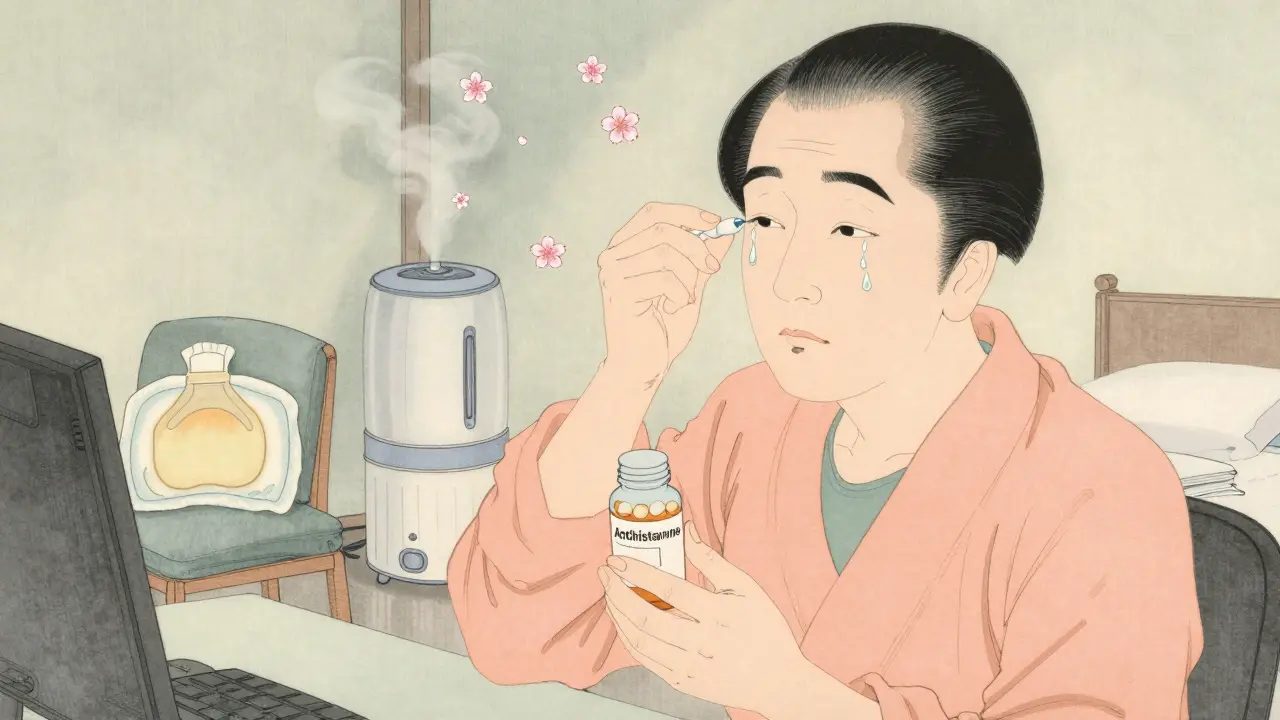
Medications like antidepressants, blood pressure pills, and glaucoma drops can cause dry eyes by reducing tear production or damaging oil glands. Learn how preservative-free tears, warm compresses, omega-3s, and lifestyle changes can help manage symptoms safely.
How to Choose OTC Eye Drops for Allergies, Dryness, and Redness
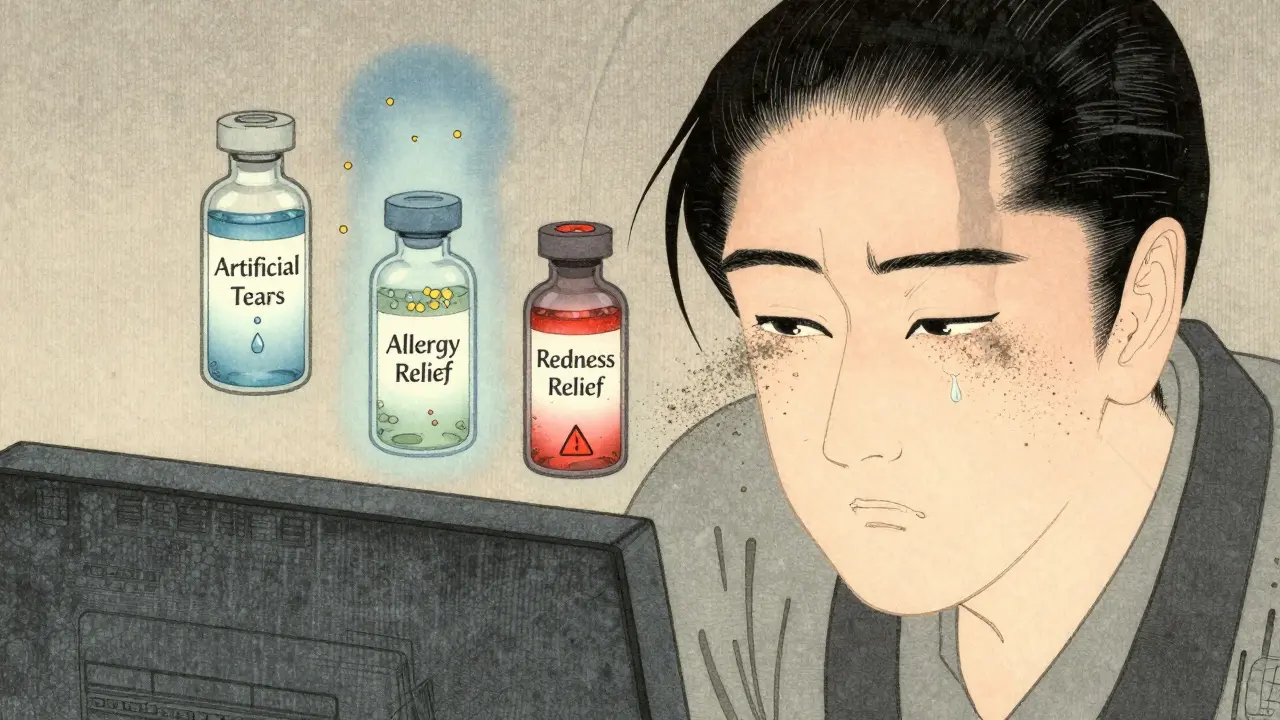
Learn how to pick the right OTC eye drops for allergies, dryness, or redness - and avoid the common mistakes that make symptoms worse. Get expert-backed advice on what works, what to skip, and how to use them correctly.
UK NHS Substitution Laws Explained: 2025 Policy Changes & Real-World Impact

The UK's NHS is changing how medications and healthcare services are delivered. New 2025 laws shift care from hospitals to community settings and require remote pharmacy services. Learn how these policies affect patients, pharmacists, and healthcare workers.
Pre-Surgical Disclosure of Supplements: What Surgeons Must Know to Prevent Complications
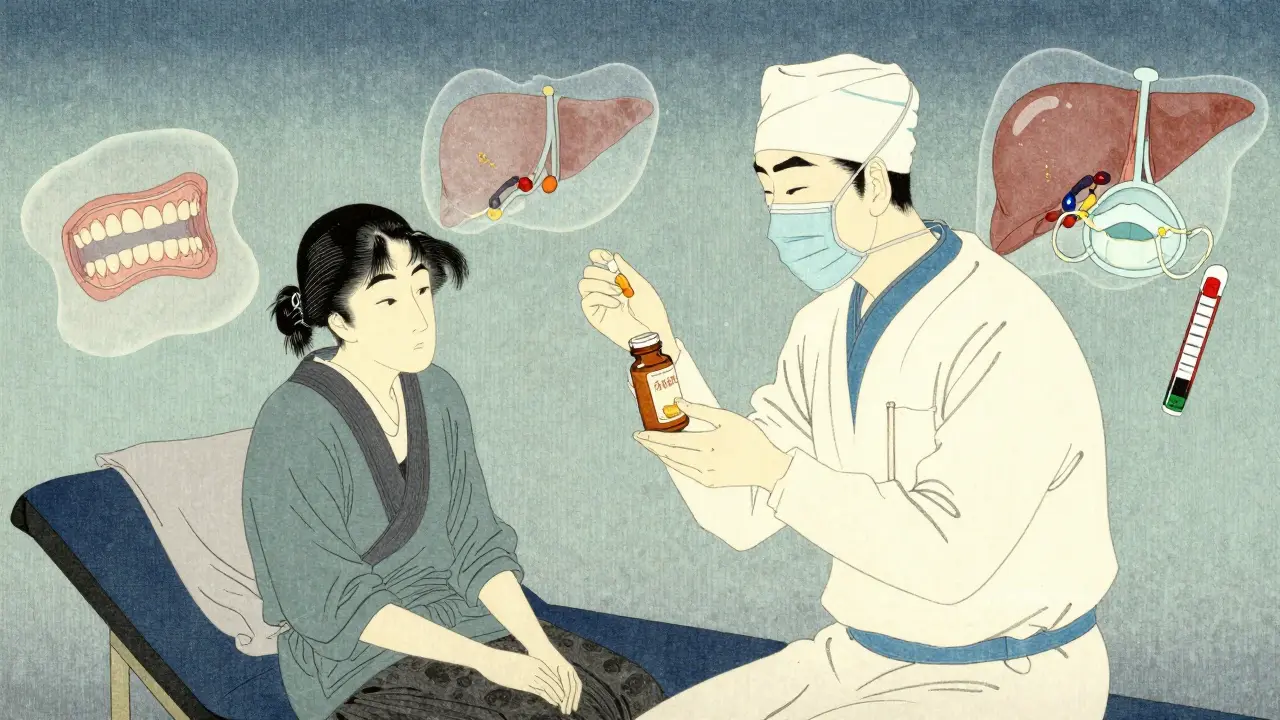
Surgeons must systematically screen for supplement use before surgery to prevent dangerous interactions with anesthesia and bleeding risks. Key supplements like fish oil, garlic, and St. John’s Wort require 14-day discontinuation, while others like vitamin D and protein shakes support recovery. Patient compliance remains low-so ask specific questions and require bottle verification.
How to Use a Drug Interaction Checker Tool Effectively
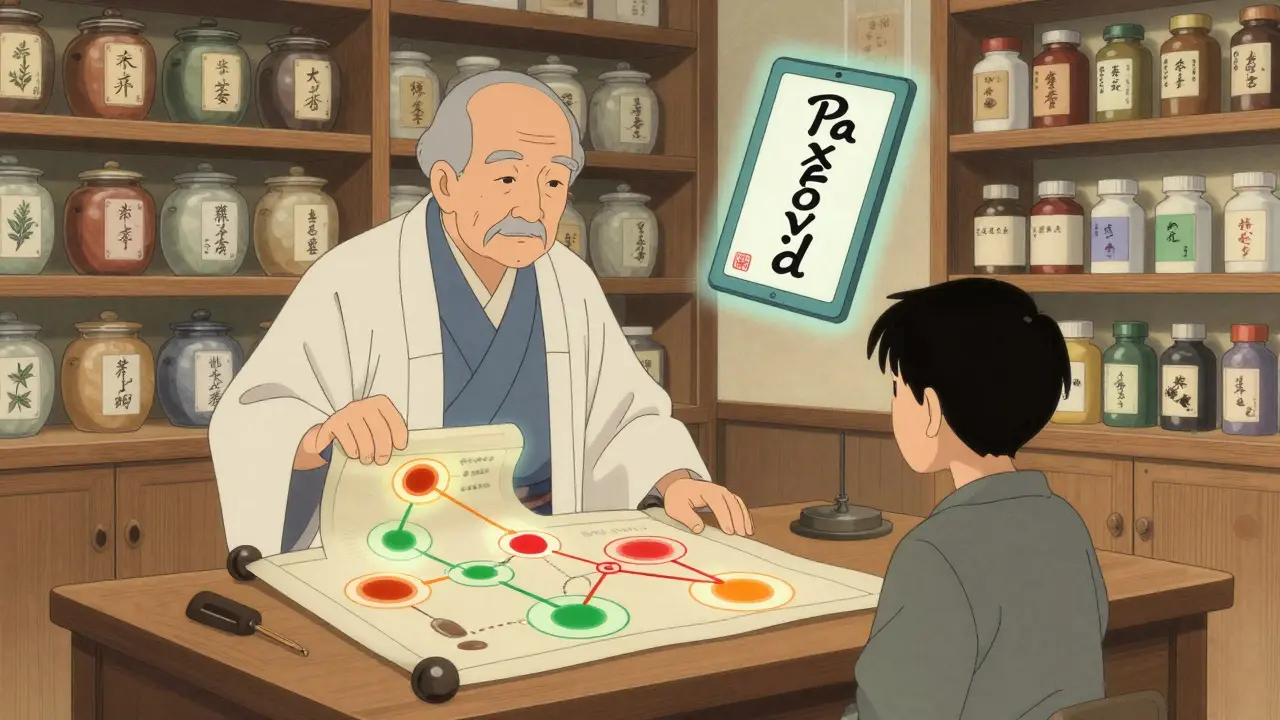
Learn how to use a drug interaction checker tool effectively to avoid dangerous medication combinations. Discover which tools work best, their limitations, and how to stay safe with prescriptions, supplements, and OTC drugs.
Skin Rashes and Medication-Induced Dermatitis: What Patients Should Know

Drug rashes are common but can be harmless or life-threatening. Learn how to spot the signs, which medications cause them, when to seek emergency care, and how to prevent future reactions.
FDA Therapeutic Equivalency Codes: How Laws Determine If You Can Swap Generic Drugs

FDA Therapeutic Equivalency (TE) codes determine whether generic drugs can be legally substituted for brand-name versions. Learn how these codes work, why some generics can't be swapped, and how U.S. laws enforce safe substitution.