Category: Pharmaceutical Information - Page 3
Anticonvulsants and Oral Contraceptives: How Seizure Medications Can Reduce Birth Control Effectiveness
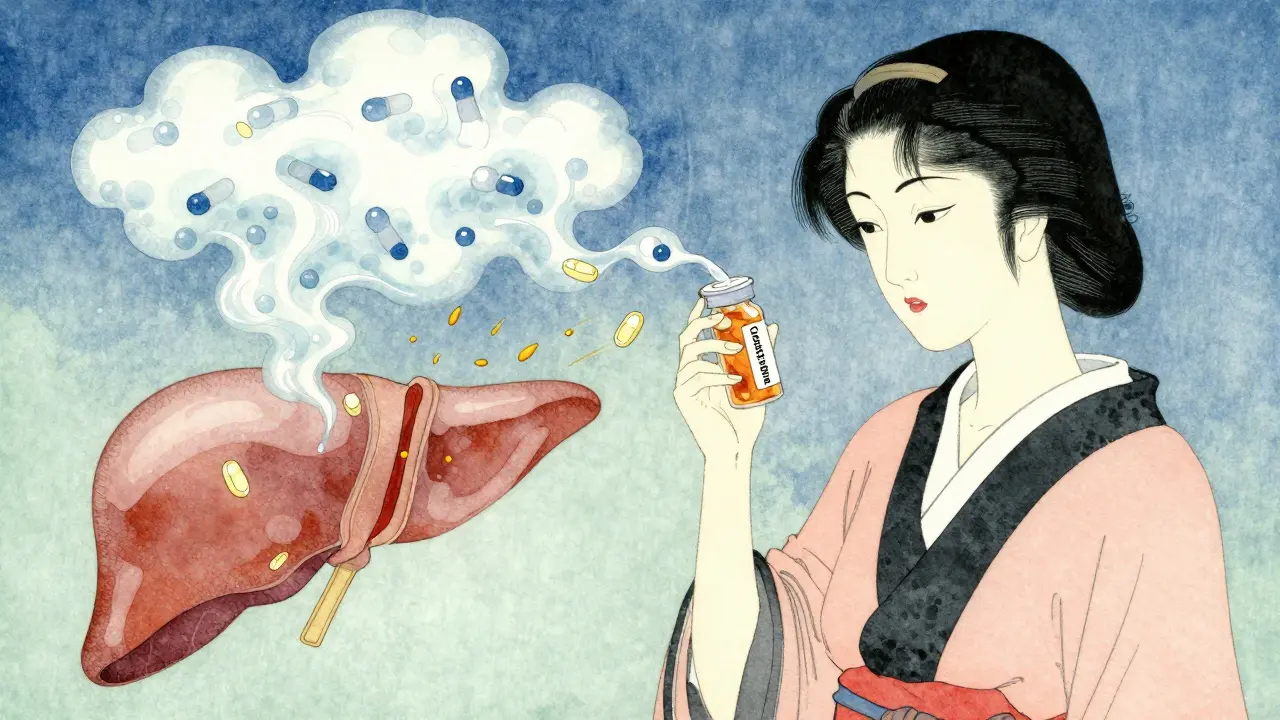
Many seizure medications like carbamazepine and topiramate reduce the effectiveness of birth control pills, patches, and rings. Learn which anticonvulsants interfere, which birth control methods still work, and what to do to prevent unintended pregnancy.
Thyroid Medication Timing: How to Take Levothyroxine for Best Absorption
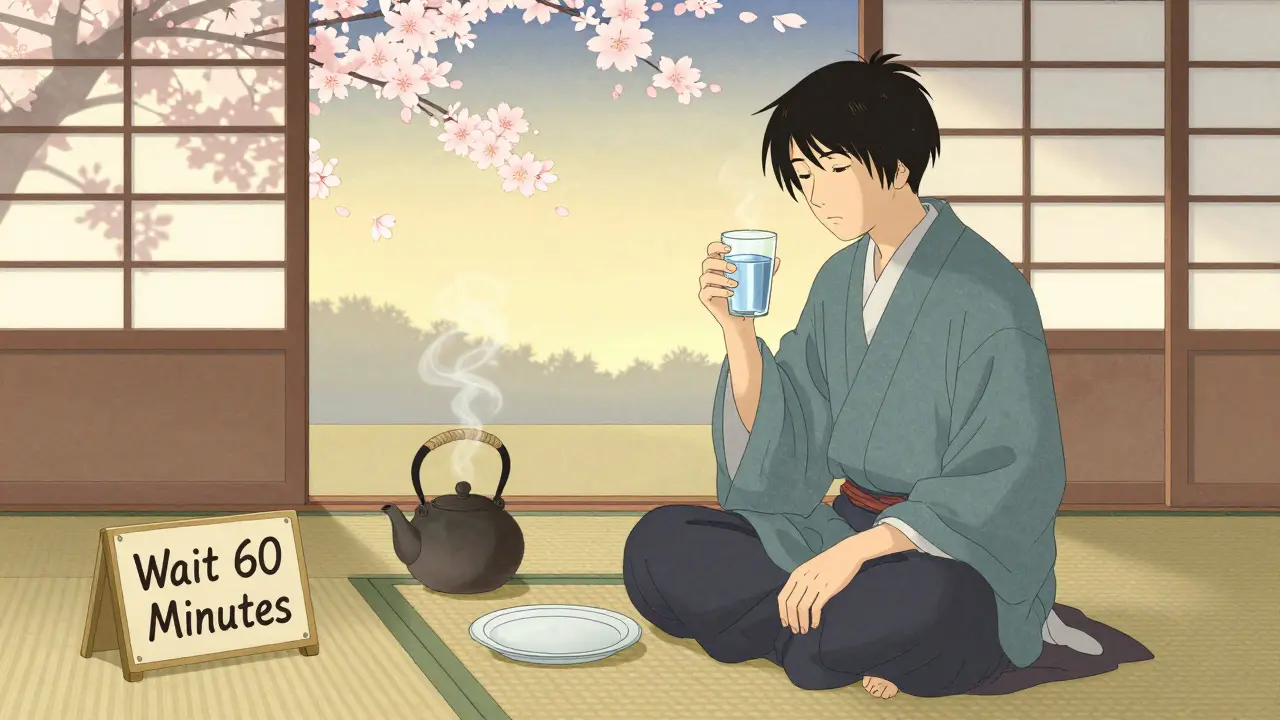
Learn how to take levothyroxine for best absorption with proven timing tips, food interactions to avoid, and alternatives like bedtime dosing. Fix unstable TSH levels by mastering your medication routine.
Who Actually Makes Authorized Generics? The Real Manufacturers Behind the Labels
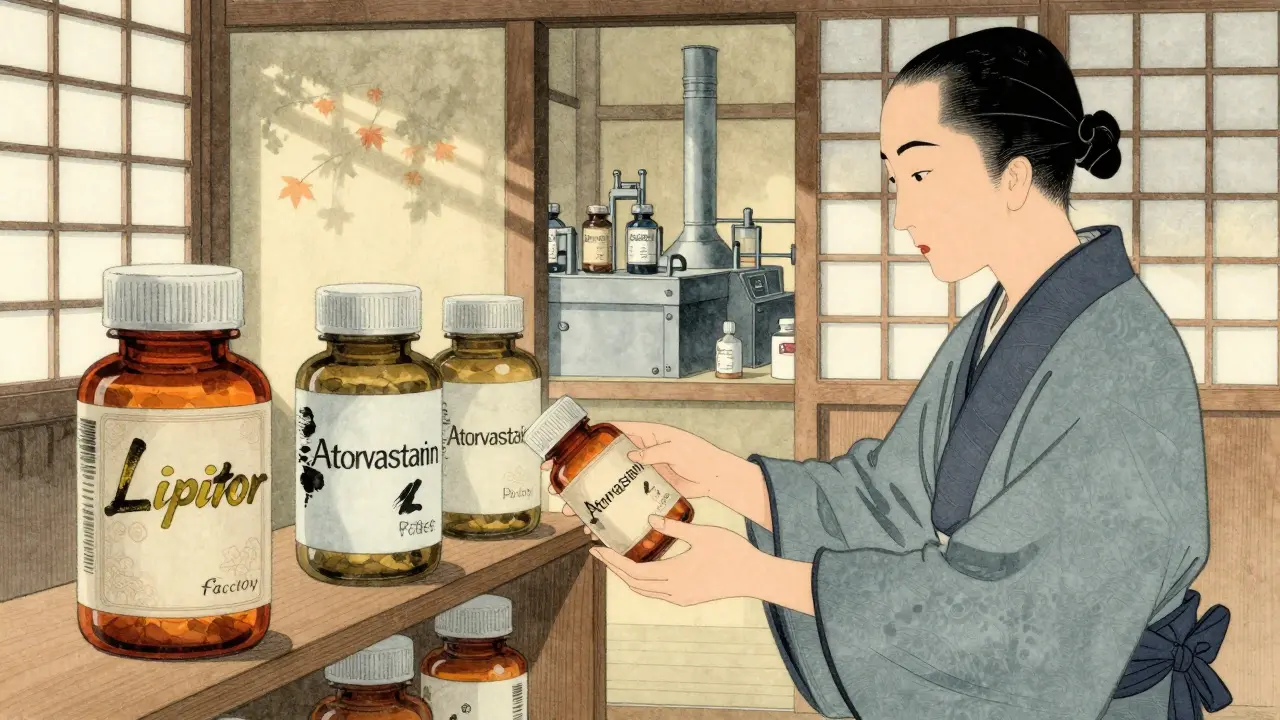
Authorized generics are made by the same companies that produce brand-name drugs, not by generic manufacturers. They're identical in quality, made in the same factories, and sold at lower prices - here's how they work and who's really behind them.
How Humidity and Heat Speed Up Medication Expiration
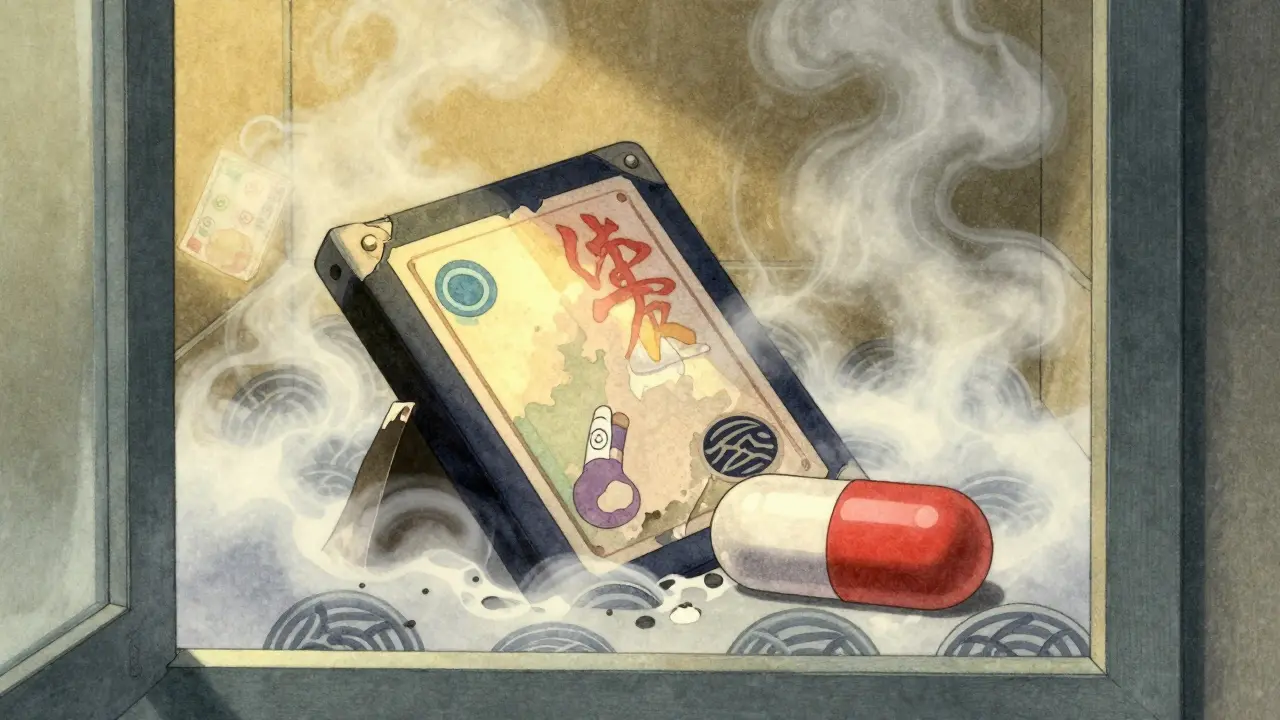
Heat and humidity can destroy your medicine long before its expiration date. Learn which drugs are most vulnerable, where not to store them, and how to keep them effective and safe.
Postoperative Ileus and Opioids: How to Prevent and Treat Delayed Bowel Recovery After Surgery
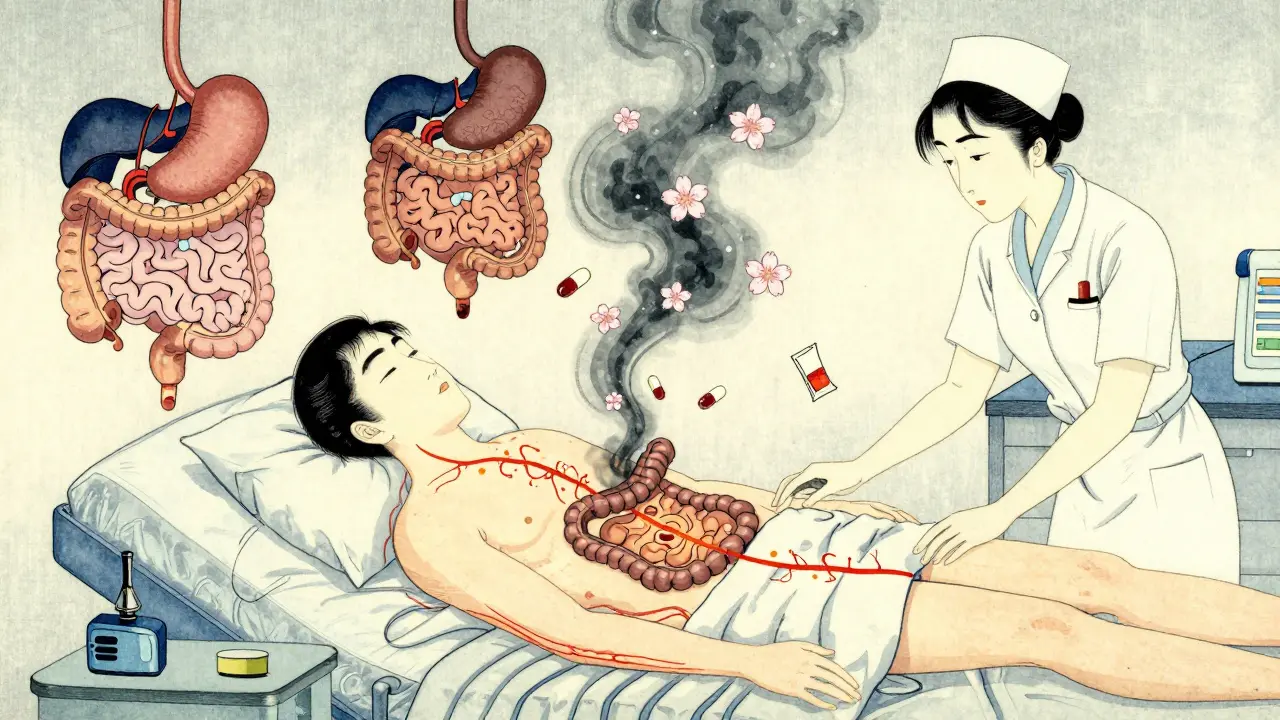
Postoperative ileus delays recovery after surgery, often worsened by opioid painkillers. Learn how multimodal pain control, early mobility, and new drugs can prevent it and shorten hospital stays.
Medical Tourism and Medication Safety: What You Must Know Before You Travel

Medical tourism offers affordable care abroad, but medication safety risks are often ignored. Learn how to avoid dangerous drug interactions, unapproved medications, and post-travel gaps in treatment.
Oral Chemotherapy: How to Stay on Track, Stay Safe, and Manage Side Effects

Oral chemotherapy offers convenience but demands strict adherence and careful management. Learn how to take your pills safely, avoid dangerous interactions, manage side effects, and stay on track with your treatment plan.
Medication Safety for Non-English Speakers: How to Get Clear Prescription Instructions
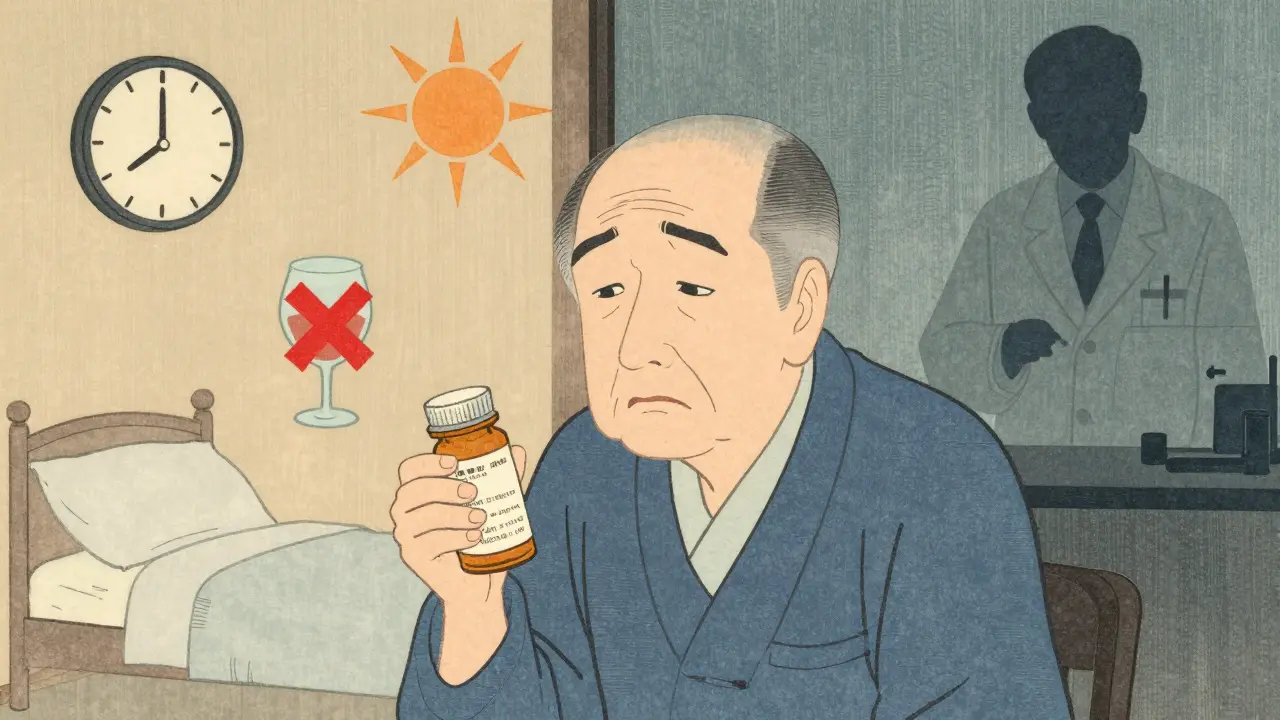
Non-English speakers face dangerous risks when prescription labels aren't translated clearly. Learn how validated, plain-language instructions and professional interpreters prevent medication errors and save lives.
How to Evaluate Stability of Repackaged or Pillbox Medications

Repackaged and pillbox medications lose stability faster than original containers. Learn how moisture, light, and mixing drugs affect potency, what the FDA requires, and how to safely assign expiration dates without a lab.
How to Shop Pharmacies for the Best Cash Price on Medications
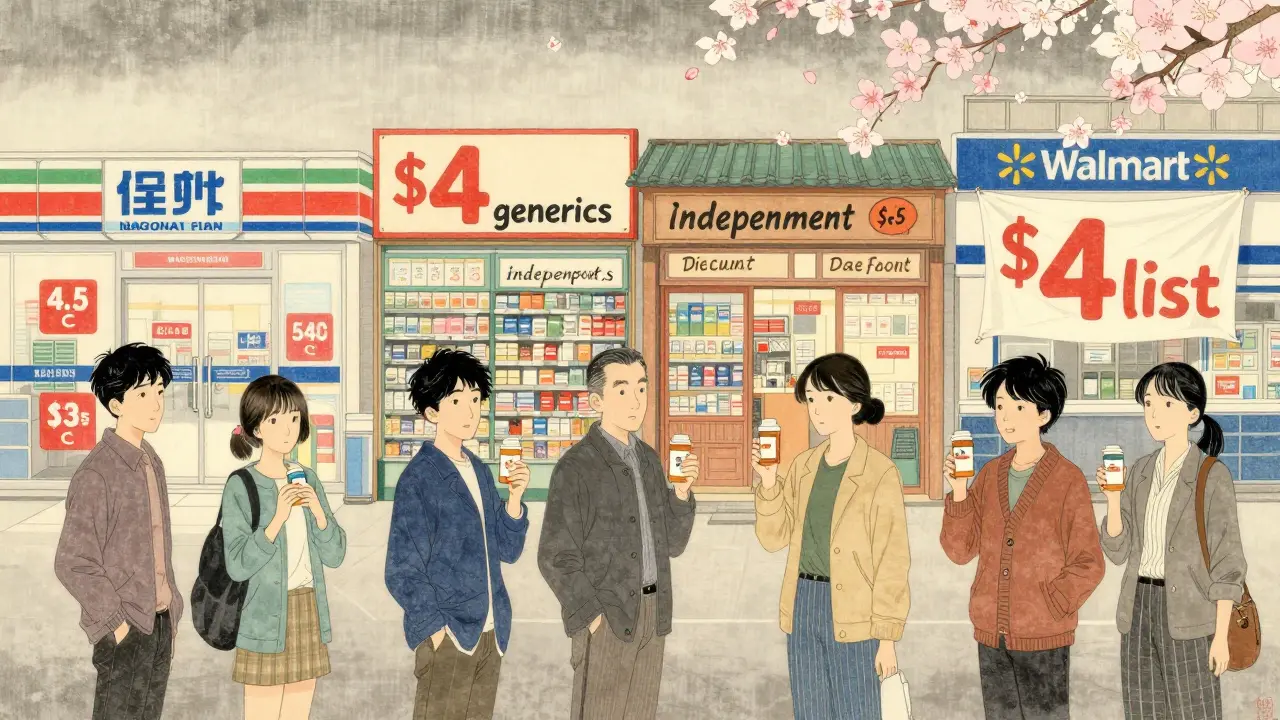
Learn how to find the lowest cash prices for prescriptions by comparing pharmacies, using discount apps like GoodRx, and asking for unadvertised deals. Save hundreds a year on generic meds.
Excipients in Generics: How Inactive Ingredients Affect Tolerance and Patient Safety
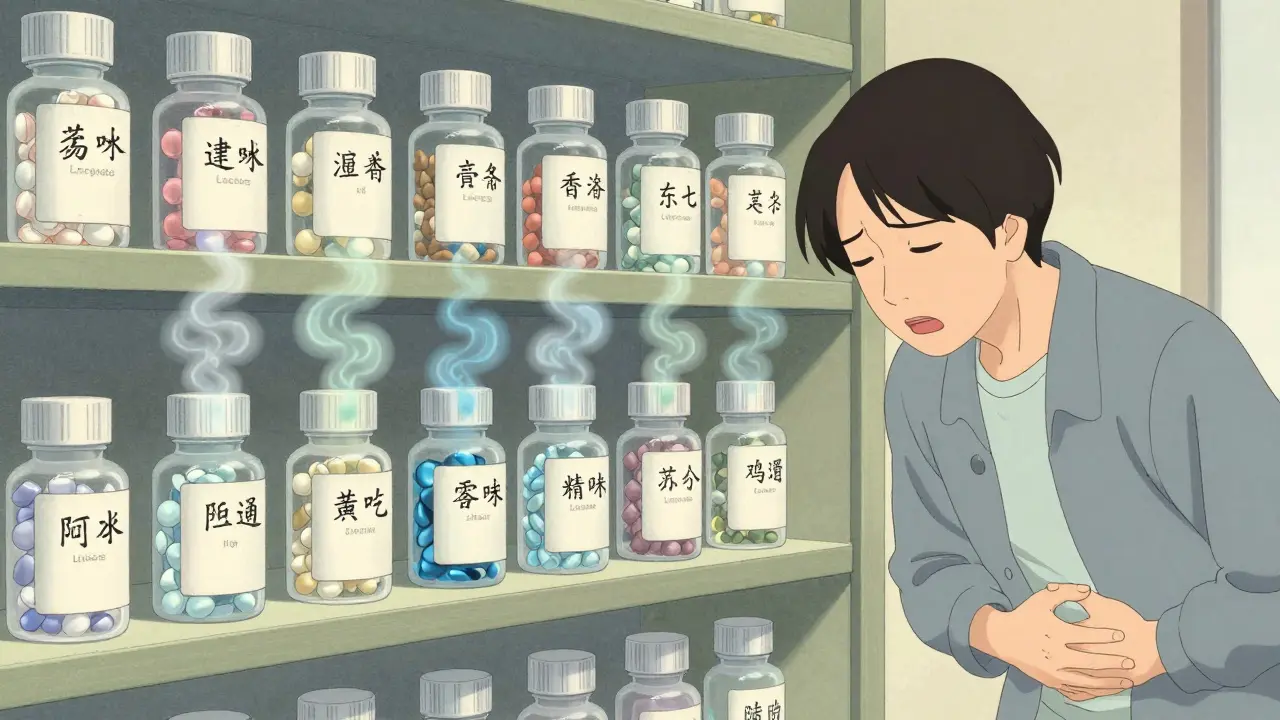
Generic drugs may have the same active ingredient as brand-name versions, but their inactive ingredients - excipients - can trigger allergic reactions and intolerances. Learn how lactose, dyes, and preservatives in generics affect real patients.
Active Ingredients: Are Generic Drugs Really the Same as Brand-Name Drugs?
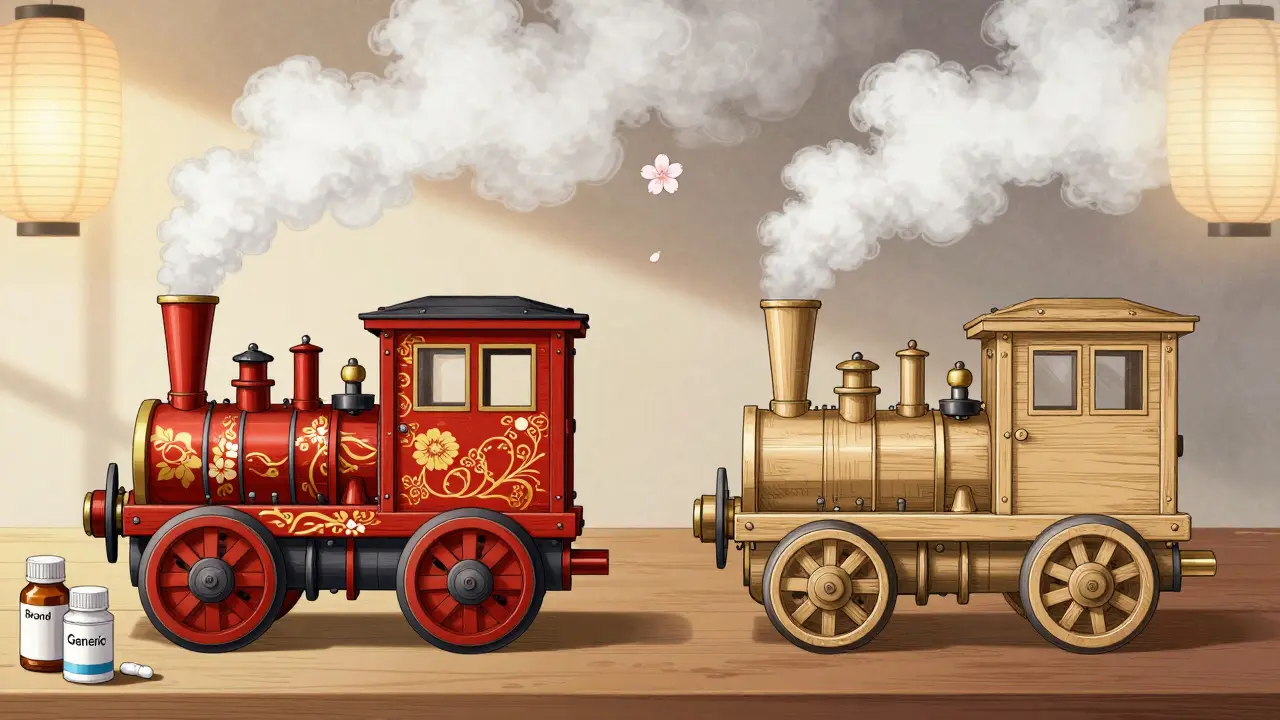
Generic drugs contain the same active ingredients as brand-name drugs and are proven to work just as well. They cost up to 85% less and meet the same FDA safety standards. Learn why they're a safe, effective choice for most patients.